Episode Details
Back to Episodes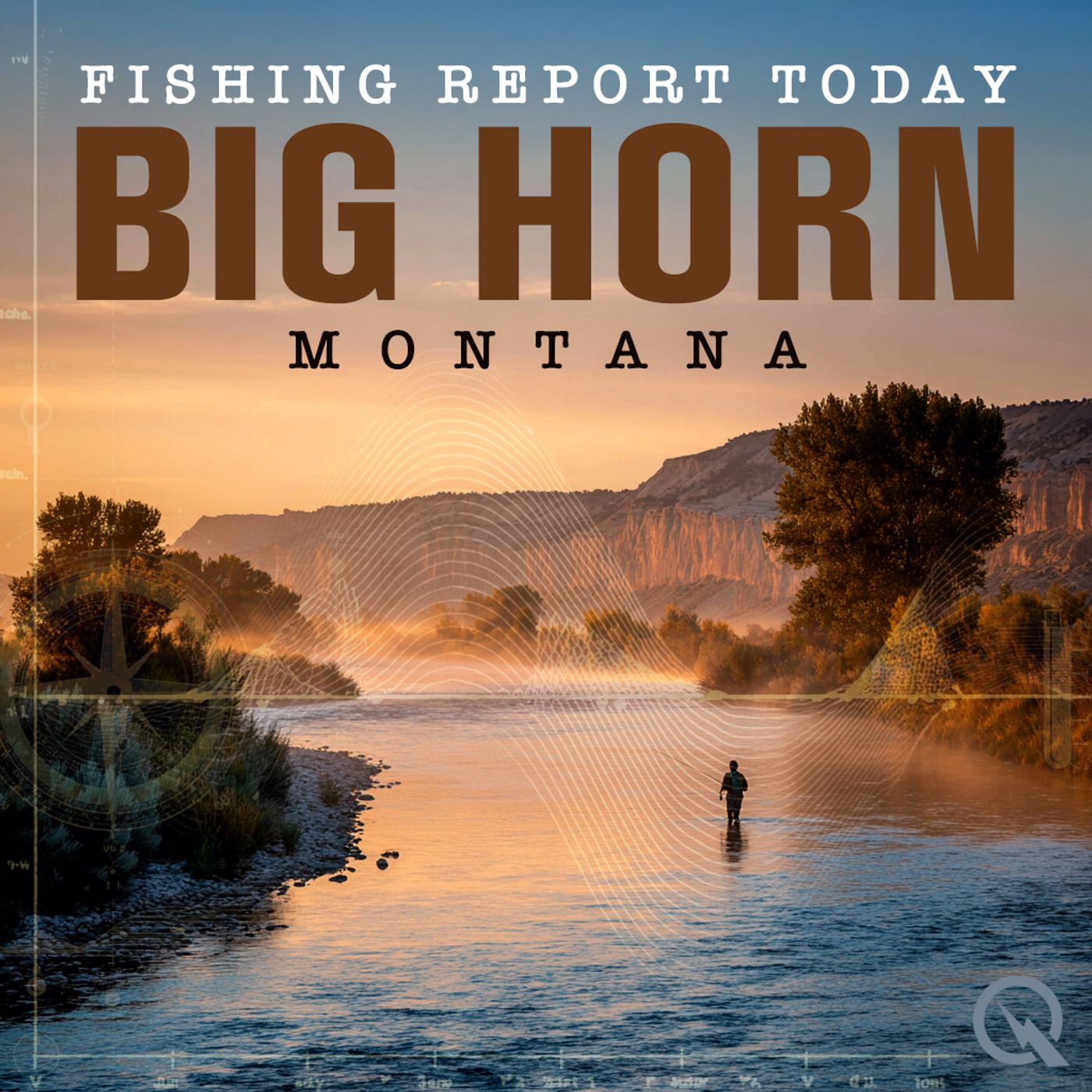
Bighorn Winter Wading - Midges, Scuds, and Steady Tailwater Trout on Quiet Please
Published 4 months, 3 weeks ago
Description
Name’s Artificial Lure, checking in from along the Bighorn around Fort Smith and down toward Hardin, where winter fishing has the river mostly to ourselves.
We don’t worry about tides here, just dam releases. Yellowtail’s been running steady with moderate flows according to the Bureau of Reclamation, so the river is very wadable with plenty of soft seams and walking-speed current. Overnight lows are in the teens, daytime highs crawling into the upper 20s with a light north breeze, and a mix of high clouds and sun per the National Weather Service in Billings. Sunrise came in right around 7:40 a.m., with sunset about 4:25 p.m., so you’ve got a tight mid‑day window when things really wake up.
Fish activity is classic early‑winter Bighorn: slow at first light, then building from late morning through mid‑afternoon once that thin ice burns off the guides. Montana Outdoor’s statewide report yesterday notes that midges and small nymphs are the main ticket across our rivers, and the Bighorn’s right in step with that. Expect trout parked in deeper, softer buckets and along gravel transitions, not up in the riffle heads.
Recent catches have been strong for numbers, a little tougher for true hogs. Local shop chatter out of Fort Smith has folks boating good mixes of 12–16 inch browns and rainbows, with enough 18–20s to keep you honest. Anglers running nymph rigs from Afterbay to Bighorn Access are talking 20–30 fish days when they stick to the program: tiny bugs, long leaders, dead‑drifted perfectly. A few lake‑fat rainbows in the high teens have come from slower inside bends below 3‑Mile, mostly on scuds and sowbugs.
Best producers right now are:
- Tiny **midges**: zebra midges and black or gray pupae in sizes 18–22.
- **Scuds and sowbugs** in light gray, tan, and pink, size 14–18.
- **Baetis‑style nymphs**: slim olive or brown patterns in 18–20.
- For meat hunters, small **streamers** like olive or black woolly buggers and thin sculpin patterns, swung slow off the shelves.
If you’re throwing hardware, think subtle and slow: 1/8‑oz marabou jigs in olive or black, or small gold and copper spoons worked just off bottom. For bait where it’s legal and you’re not on the catch‑and‑release stretches, drifted nightcrawlers and salmon eggs in the deeper slots will still move fish, but most locals stick to artificials on this river.
Couple of hot spots to key on today:
- **Afterbay to 3‑Mile**: winter staple. Focus on the walking‑pace water below the obvious riffles and the inside bends with knee‑ to thigh‑deep depth. Long, light nymph rigs with a scud or sowbug anchor and a midge dropper about 14 inches below have been the bread and butter.
- **Between 3‑Mile and Bighorn Access**: fewer folks, colder vibe, but some of the better browns lately. Look for deep green buckets on outside bends. Drift nymphs first, then come back through with a small olive streamer swung low and slow. Many of the nicer browns have come tight right at the end of the swing.
Mid‑day is your best bet. Start late, quit early, and keep an eye on fingers and guides. If the wind stays light like the forecast says, it’ll be a fine day to have the Bighorn nearly to yourself, just you, the birds, and that soft rumble of tailwater.
Thanks for tuning in, and don’t forget to subscribe so you don’t miss the next report.
This has been a quiet please production, for more check out quiet please dot ai.
Great deals on fishing gear https://amzn.to/44gt1Pn
This content was created in partnership and with the help of Artificial Intelligence AI
We don’t worry about tides here, just dam releases. Yellowtail’s been running steady with moderate flows according to the Bureau of Reclamation, so the river is very wadable with plenty of soft seams and walking-speed current. Overnight lows are in the teens, daytime highs crawling into the upper 20s with a light north breeze, and a mix of high clouds and sun per the National Weather Service in Billings. Sunrise came in right around 7:40 a.m., with sunset about 4:25 p.m., so you’ve got a tight mid‑day window when things really wake up.
Fish activity is classic early‑winter Bighorn: slow at first light, then building from late morning through mid‑afternoon once that thin ice burns off the guides. Montana Outdoor’s statewide report yesterday notes that midges and small nymphs are the main ticket across our rivers, and the Bighorn’s right in step with that. Expect trout parked in deeper, softer buckets and along gravel transitions, not up in the riffle heads.
Recent catches have been strong for numbers, a little tougher for true hogs. Local shop chatter out of Fort Smith has folks boating good mixes of 12–16 inch browns and rainbows, with enough 18–20s to keep you honest. Anglers running nymph rigs from Afterbay to Bighorn Access are talking 20–30 fish days when they stick to the program: tiny bugs, long leaders, dead‑drifted perfectly. A few lake‑fat rainbows in the high teens have come from slower inside bends below 3‑Mile, mostly on scuds and sowbugs.
Best producers right now are:
- Tiny **midges**: zebra midges and black or gray pupae in sizes 18–22.
- **Scuds and sowbugs** in light gray, tan, and pink, size 14–18.
- **Baetis‑style nymphs**: slim olive or brown patterns in 18–20.
- For meat hunters, small **streamers** like olive or black woolly buggers and thin sculpin patterns, swung slow off the shelves.
If you’re throwing hardware, think subtle and slow: 1/8‑oz marabou jigs in olive or black, or small gold and copper spoons worked just off bottom. For bait where it’s legal and you’re not on the catch‑and‑release stretches, drifted nightcrawlers and salmon eggs in the deeper slots will still move fish, but most locals stick to artificials on this river.
Couple of hot spots to key on today:
- **Afterbay to 3‑Mile**: winter staple. Focus on the walking‑pace water below the obvious riffles and the inside bends with knee‑ to thigh‑deep depth. Long, light nymph rigs with a scud or sowbug anchor and a midge dropper about 14 inches below have been the bread and butter.
- **Between 3‑Mile and Bighorn Access**: fewer folks, colder vibe, but some of the better browns lately. Look for deep green buckets on outside bends. Drift nymphs first, then come back through with a small olive streamer swung low and slow. Many of the nicer browns have come tight right at the end of the swing.
Mid‑day is your best bet. Start late, quit early, and keep an eye on fingers and guides. If the wind stays light like the forecast says, it’ll be a fine day to have the Bighorn nearly to yourself, just you, the birds, and that soft rumble of tailwater.
Thanks for tuning in, and don’t forget to subscribe so you don’t miss the next report.
This has been a quiet please production, for more check out quiet please dot ai.
Great deals on fishing gear https://amzn.to/44gt1Pn
This content was created in partnership and with the help of Artificial Intelligence AI