Episode Details
Back to Episodes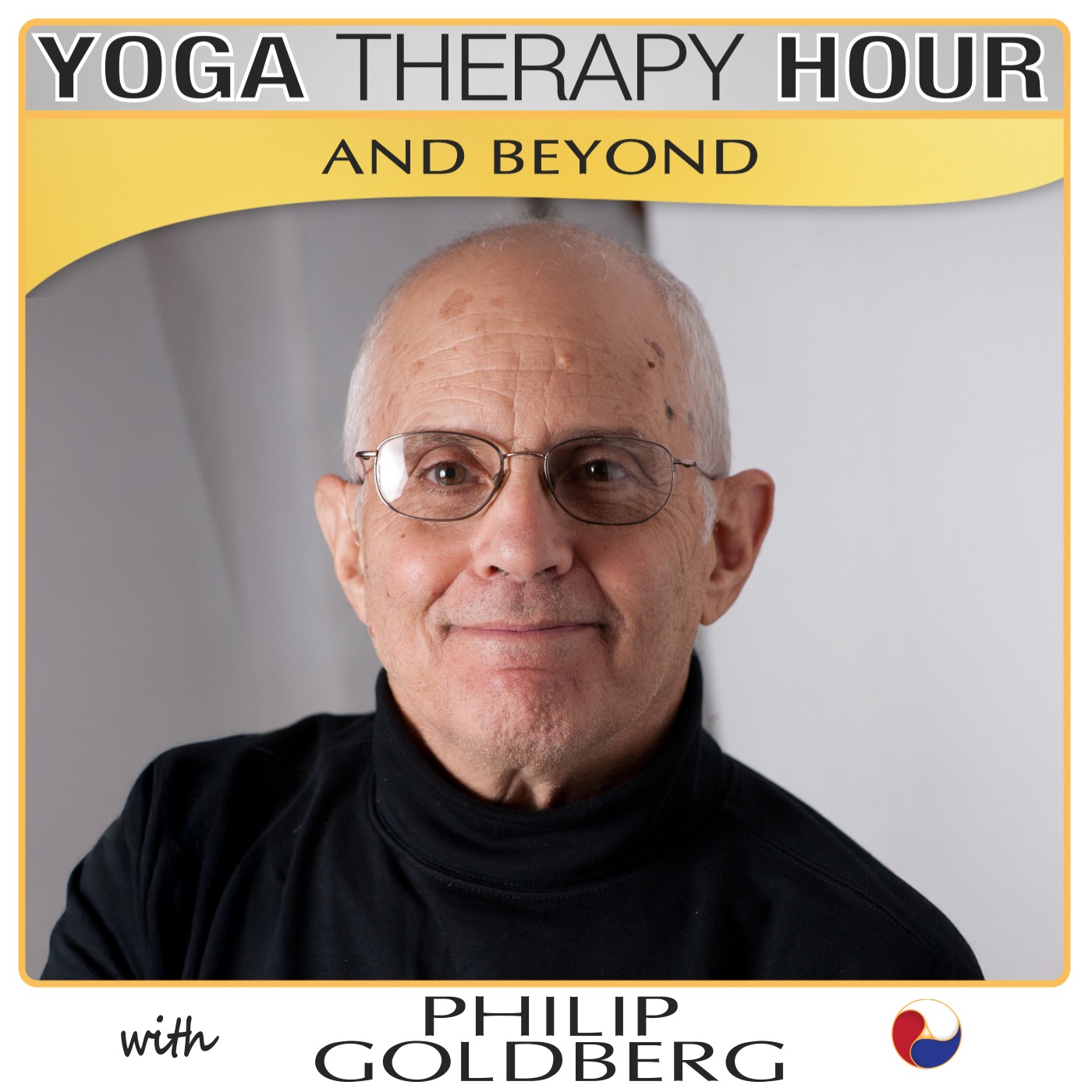
Karma without the Hand-Waving : Philip Goldberg on “Karmic Relief
Description
Episode summary
Author and teacher Philip Goldberg returns to unpack his new book, Karmic Relief (Monkfish). We cut through pop-karma clichés and ask the hard questions: Why do bad actors prosper? What about innocent suffering? Does “what goes around” really come around—and when? Phil offers a clear, practice-ready model grounded in Yoga and Vedānta: karma as lawful cause-and-effect, refined by intention (saṅkalpa) and awareness (svādhyāya), and lived through skillful action (kriyā/karma-yoga). No sugar-coating—just a compassionate, accountable path forward.
About our guest
Philip Goldberg is the author of the classic American Veda and many other works on India’s wisdom traditions. He writes, teaches, and speaks internationally about the practical application of yoga philosophy in modern life. More at philipgoldberg.com.
What we cover
- Two default frames that fail: cynical materialism (“life’s unfair—deal with it”) and a punitive theism that outsources justice—why yoga offers a third way: karma as a law of nature, not a cosmic scorekeeper.
- Intention matters: why the motivation and quality of mind behind an action shape its consequences—on us and on the field around us.
- It’s not linear: why “instant karma” is the exception; most effects are complex, delayed, and braided with other people’s actions.
- Not just the “bad stuff”: noticing beneficial returns—friendship, support, opportunities—as karma, too.
- Humility as the doorway: we can’t fathom every cause; we can act skillfully anyway.
- Prevention is practice: building a karmic “balance sheet” through ethical living, steady practice, and timely amends reduces the sting when old debts come due.
- Forgiveness begins at home: how self-forgiveness and sincere amends interrupt the “slow acid drip of regret.”
- Prayer, Bhakti & nervous system: prayer as practice for the prayer-giver (bhakti), shifting state and making right action more likely.
- Yama–Niyama as method, not morals: using the first two limbs practically to uproot harmful samskāras rather than memorize rules.
- Boundaries are dharma: over-giving and “doormat karma” as the near-enemy of compassion; why healthy limits are part of right action.
Practical takeaways
- Choose skillful action now. You can’t rewrite yesterday’s causes; you can stack better conditions today.
- Mind the motive. Before you act, ask: What’s my real intention? Adjust there.
- Make clean amends. Own your slice only, sincerely, and repair what you can. Then change the behavior.
- Practice = prevention. Daily āsana–prāṇāyāma–dhyāna clears the field (samskāra hygiene) so wise choices come faster.
- Measure by learning. Treat consequences as feedback, not verdicts. If the same pattern repeats, a lesson is waiting.
Selected quotes
- “Karma is closer to physics than to theology—causes and conditions, not a personality keeping score.”
- “If you dismiss suffering as ‘their karma,’ that response becomes your karma.”
- “Humility
Listen Now
Love PodBriefly?
If you like Podbriefly.com, please consider donating to support the ongoing development.
Support Us