Episode Details
Back to Episodes
Dr. Larry Lytle – How The Q-Laser Restores Electrons To Atoms Changing Tissue PH & Ultimately Supercharges Your Health
Description
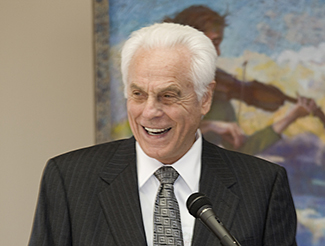 Today we spoke for a 2nd time to Dr. Larry Lytle who talked about how low level laser therapy can alter the body and what it actually does.
According to the science the light waves from the Q-1000 laser restores electrons in the tissue. We lose electrons from the atoms within cells when we are stressed, sustain some kind of injury or experience any kind of stimulation or lack of circulation.
We’re losing electrons all the time and when the atoms lose their electrons they become damaged and as a result create damaged cells. These damaged cells begin to replicate thereby creating damaged tissue. This damaged tissue often times cuts off blood flow to the surrounding areas in the body.
When there’s a lack of proper blood flow, the area begins to create lactic acid and build inflammation. The resulting inflammation creates soreness, tension and ultimately pain and reduced functionality of the organ, muscle, joint or tendon.
When there’s a build up of inflammation the ph of the tissue begins to change. When this happens in the organs disease is ultimately the final result. When organs don’t function properly it puts a tremendous amount of stress on the other organs to do its job.
As you can imagine this is a low level but constant state of stress on the body. The Q-Laser 1000 restores electrons which fixes the PH of the organ or area of the body and thereby dramatically reduces inflammation.
As a result of this decrease in inflammation, more oxygen and blood flow is routed to the affected area which promotes health and fast healing. Remember the laser isn’t healing you. It’s just allowing the body to do its job. The body heals nothing else does.
So that’s how I understand what’s going on with this interesting tool called the Q-Laser.
If you’d like more information about how it works you can click here to dive in even deeper if you’d like.
We hope you enjoy this show as much as we did. If you did please pass it on to your friends by clicking “share” up above!”
We hope you enjoyed our interview with Larry Lytle as much as we did and if you did would you consider clicking “like” and “share” on this page to let your friends and family know about the work he is doing?
Kate and I would greatly appreciate that! 🙂
Keep This Show Free & Visit Our Amazing Sponsors!
- BioAge Superfoods – Increase longevity, lower your risk of disease and increase energy but taking this incredible algae processed in a way that keeps the enzymes and phytonutrients in tact. Kate and I love them and we know you will too. Save 10% by entering code “Justin” at the link below!

Show Notes For This Episode:
Love PodBriefly?
If you like Podbriefly.com, please consider donating to support the ongoing development.
Support Us