Episode Details
Back to Episodes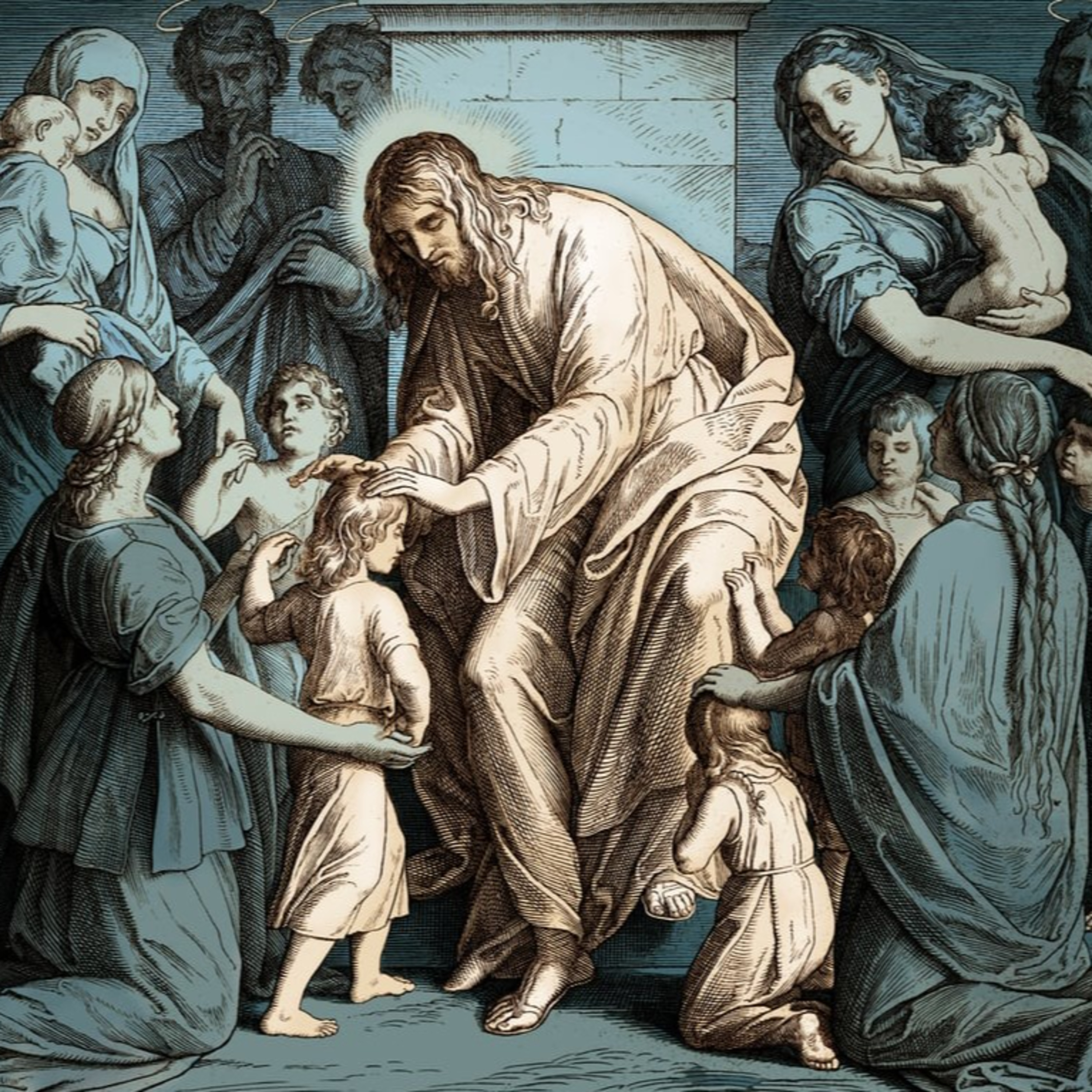
Seventh Day within the Octave of All Saints November 7 — From Dom Guéranger’s Liturgical Year
Description
A meditation on the Seventh Day within the Octave of the Feast of All Saints, from Dom Guéranger’s The Liturgical Year, The Seventh Day within the Octave of All Saints turns the Church’s meditation toward the mystery of Christian death and, in a special way, toward the blessed innocence of children whom God calls early to Himself. The liturgy and commentary for this day recall the serene and faith-filled customs of the early Christians, who saw in the death of the just not despair but triumph—a “mystery of praise and of joy,” as the soul, accompanied by angels, goes forth to meet its Lord. The ancient chants and antiphons sung during Christian burial expressed this hope in the Resurrection and the soul’s entrance into paradise. In particular, this day contemplates the purity of baptized infants who, taken from the miseries of the world, are planted like lilies in the garden of heaven, where they form a choir of innocence praising God eternally. Their example consoles the faithful, teaching them to view death not as loss but as passage into divine joy. Thus, the Church closes the octave in tender thanksgiving for all the saints—great and small—whose blessedness proclaims the victory of life over death and the everlasting mercy of God.Dom Prosper Guéranger's The Liturgical Year, a monumental fifteen-volume work, offers a comprehensive exploration of the Catholic Church’s liturgical calendar, guiding readers through the spiritual and historical richness of the Church’s worship. Written in the 19th century, the series provides daily meditations, historical context, and liturgical texts for the Mass and Divine Office, covering the entire cycle of seasons—Advent, Christmas, Lent, Passiontide, Easter, and the Time after Pentecost—as well as feast days of saints. Guéranger’s work, rooted in a deep contemplative spirit, aims to immerse the faithful in the Church’s prayerful life, emphasizing the unity of faith through the axiom lex orandi, lex credendi ("the law of prayer is the law of belief"), and remains a cherished resource for Catholics seeking to deepen their spiritual lives. Dom Prosper Guéranger (1805–1875) was a French Benedictine monk, liturgical scholar, and founder of the Solesmes Abbey, renowned for his pivotal role in reviving the Benedictine Order in France and restoring the Roman liturgy after the disruptions of the French Revolution. Born in Sablé-sur-Sarthe, he entered the priesthood in 1827 and, inspired by a vision to restore monastic life, reestablished the Benedictine community at Solesmes in 1833, becoming its first abbot. A staunch defender of ultramontanism and traditional Catholic worship, he also championed the revival of Gregorian chant, significantly influencing the liturgical renewal movement.Please note: The entries of the Liturgical Year are primarily authored by Dom Prosper Guéranger, but occasionally contain editors’ additions of subsequent information and events that are relevant to the given feast.Link to the Dom Guéranger's Liturgical Year playlist (updated daily, unless a ferial day): https://www.youtube.com/playlist?list=PLZKdyYnV_bkh7rH6piW0ShgsdcefFoOvJ