Episode Details
Back to Episodes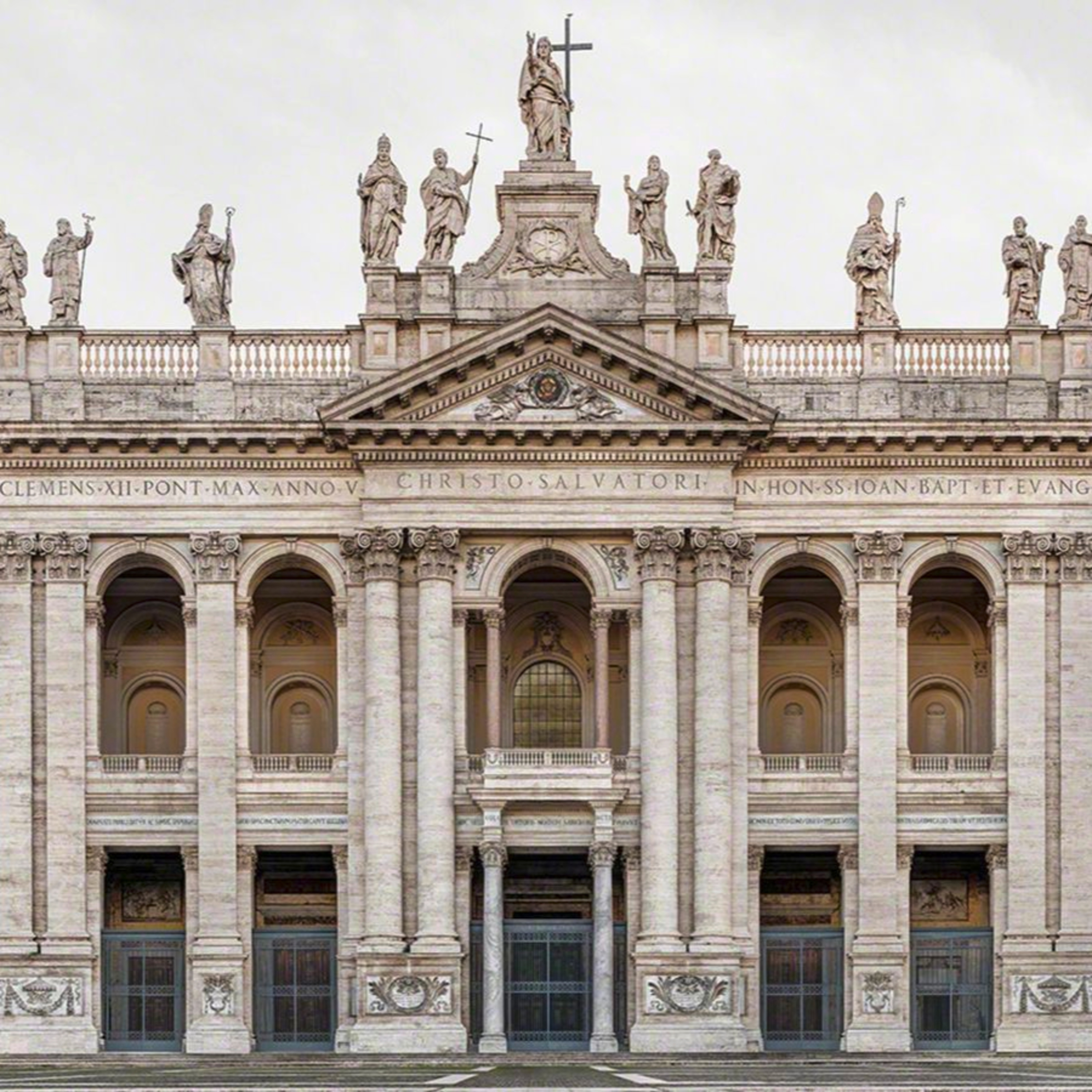
Dedication of the Basilica of Saint Saviour (November 9) — From Dom Guéranger’s Liturgical Year
Description
A meditation on the Feast of the Dedication of the Basilica of Saint Saviour (the Lateran Basilica), from Dom Guéranger’s The Liturgical Year. The Feast of the Dedication of the Basilica of St. Saviour (November 9), also known as the dedication of the Archbasilica of the Most Holy Saviour at the Lateran, commemorates the consecration of the oldest and highest-ranking church in Christendom—the cathedral of the Bishop of Rome. Dom Guéranger explains that after the end of persecution in the fourth century, Emperor Constantine granted the Church freedom and imperial support to build sanctuaries throughout the empire. In his own Lateran palace, he dedicated a basilica to Christ the Saviour, adjoining it with a baptistery in honor of St. John the Baptist, on the site of his own baptism by Pope Sylvester I, who consecrated the church on November 9. This was the first public church dedication in Rome, and from that time the Lateran became known as the “mother and mistress of all churches.”The feast celebrates the unity of the Church, symbolized in this “new Sinai” from which the law of salvation has gone forth. Though the Popes no longer reside in the Lateran Palace, the basilica retains primacy as the Pope’s cathedral and the head of all churches. Its altar—originally wooden, later replaced by stone—was consecrated for papal use alone, in memory of the early pontiffs who celebrated the Eucharist in times of persecution. Through the centuries, fires, invasions, and earthquakes damaged the basilica, but successive popes restored it, most notably Benedict XIII in 1726 and Leo XIII in 1884.The liturgy of this feast expresses the joy and awe proper to the house of God—“the gate of heaven”—and prays that the faithful, united under one Shepherd, may remain bound together in charity as one flock. The dedication of the Lateran thus stands as both a historical and mystical symbol of the Church herself: indestructible, universal, and founded on Christ the eternal Cornerstone.Dom Prosper Guéranger's The Liturgical Year, a monumental fifteen-volume work, offers a comprehensive exploration of the Catholic Church’s liturgical calendar, guiding readers through the spiritual and historical richness of the Church’s worship. Written in the 19th century, the series provides daily meditations, historical context, and liturgical texts for the Mass and Divine Office, covering the entire cycle of seasons—Advent, Christmas, Lent, Passiontide, Easter, and the Time after Pentecost—as well as feast days of saints. Guéranger’s work, rooted in a deep contemplative spirit, aims to immerse the faithful in the Church’s prayerful life, emphasizing the unity of faith through the axiom lex orandi, lex credendi ("the law of prayer is the law of belief"), and remains a cherished resource for Catholics seeking to deepen their spiritual lives. Dom Prosper Guéranger (1805–1875) was a French Benedictine monk, liturgical scholar, and founder of the Solesmes Abbey, renowned for his pivotal role in reviving the Benedictine Order in France and restoring the Roman liturgy after the disruptions of the French Revolution. Born in Sablé-sur-Sarthe, he entered the priesthood in 1827 and, inspired by a vision to restore monastic life, reestablished the Benedictine community at Solesmes in 1833, becoming its first abbot. A staunch defender of ultramontanism and traditional Catholic worship, he also championed the revival of Gregorian chant, significantly influencing the liturgical renewal movement.Please note: The entries of the Liturgical Year are primarily authored by Dom Prosper Guéranger, but occasionally contain editors’ additions of subsequent information and events that are relevant to the given feast.Link to the Dom Guéranger's Liturgical Year playlist (updated daily, unless a ferial day): https://www.youtube.com/playlist?list=PLZKdyYnV_bkh7rH6piW0ShgsdcefFoOvJ