Episode Details
Back to Episodes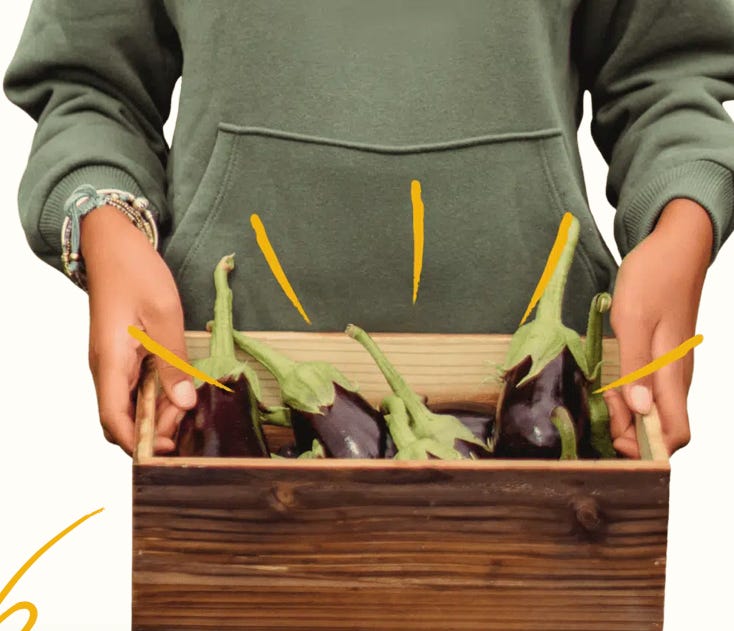
"How Am I Going to Feed My Family?"
Description
One of my frequent bicycling routes takes me by a local food bank. Over the years as I pedal by in the morning, I’ve seen the line of cars increase while waiting for the 10 am food bank opening. Lines of a half block or more were common during the age of Covid (2021-2022).
Lately, the line of cars has not only increased in length, it’s now 2 lanes of traffic stretching down the road waiting for a bag or two of food. Fortunately, the road widens out as it approaches the food bank, and the employees there have adopted the Dutch Brothers Coffee / In-and-Out Hamburger traffic facilitating tactic of walking the lines of cars, and getting the information they need (I’m still trying to figure out what Dutch Brothers is putting in their $6+ coffee drinks that brings in such a large crowd. Is it the sugar?).
The number of households living paycheck to paycheck has risen dramatically - up to two-thirds of all households in the U.S. living on the edge - according to one report. There’s more hurt on the way because of recent job losses due to AI, governmental shutdown of services, increased food costs due to tariffs, housing costs, and all the other reasons that you don’t want to be reading about in a gardening column.
GARDENERS CAN HELP
Still, gardeners can help out their neighbors by donating their excess backyard produce - vegetables and fruit - to a nearby food bank or food pantry. For example, right now in late October, here in USDA Zone 9 (and I know I am not alone in this bounty), there’s a lot of sweet peppers waiting to be harvested - definitely more than we can eat or process into relish. And what are those bright orange orbs staring at me from that tree outside my window? Oh yeah, Fuyu persimmons, also more than we can eat or dehydrate, that will be ready to harvest in a week or two. Definitely, these are the prime mid-Autumn candidates for transporting to the local food bank. Coming up in winter, it will be the cornucopia of citrus - oranges, mandarins, lemons - that will be heading to the food bank, along with fresh greens.
Don’t know where you’re nearest food bank is located? Go to AmpleHarvest.org, and find the food banks in your area. It’s quick, easy, and as far as I can tell in my own area, accurate. Your local food bank would probably welcome your donation of healthy, homegrown food (always check first).
In this week’s newsletter podcast (above), Gary Oppenheimer, the founder of AmpleHarvest.org, talks about the need for more, fresh, wholesome foods getting into the hands (and mouths) of those who can’t afford to eat healthy, but want to. Give it a listen, or read the transcript, below. Thanks.
There’s no paywall on today’s newsletter/podcast episode, because that would be counterproductive to helping get your excess garden harvest to the hungry. Still, thank you for your paid subscription to Beyond the Garden Basics!
TRANSCRIPT Interview with Gary Oppenheimer of AmpleHarvest.org
(recorded in 2020)
Farmer Fred:
[0:00] Every day in every corner of the United States, children and adults are worrying about finding enough food to put on the dinner table while thousands of pounds of food are being thrown away from backyard gardens, from small farms. Millions of Americans are unable to get enough fresh food to maintain proper health. The United States has a malnourished population that needs more than processed foods in order to thrive. So many incredible food banks, pantries, and other hunger organizations are working tirelessly to alleviate hunger in our communities, but they consistently