Episode Details
Back to Episodes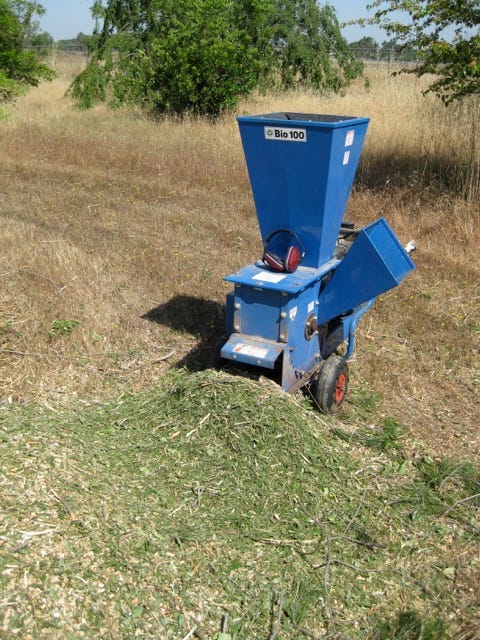
Why There Should be a Chipper Shredder in your Garden
Description
Are you thinking about buying a rototiller? How about instead purchasing a chipper/shredder? Now, that’s a machine that’s going to make easy work of chopping up your garden clippings including tree limbs. it’s going to make it into the greatest mulch you could possibly own. The latest research shows that rototilling your soil actually damages soil structure and doesn’t do anything good for the soil biology. On the other hand, the end result of using a chipper/shredder is going to provide you with a quality of mulch that we like to call, “gardeners’ gold”.
Northern California Organic Gardening Consultant Steve Zien has some rather strong thoughts on this subject. Go back and listen to his comments back in Episode 89 of the Garden Basics podcast, from 2021.
Thinking that perhaps his opinions may have mellowed on the chipper-shredder vs rototiller choice over the last four years, I recently asked for his thoughts. Nope. No change. Here’s what he had to say (in bullets):
Chipper shredder
Pros:
• Eliminates or dramatically reduces green waste
• Helps eliminate the need for a rototiller
• Provides material for mulch or compost
• When shreddings are applied to soil surface:
• Feeds soil biology – resulting in improvements in:
• Soil structure (pore space diversity)
• Improve movement in soil by water, air, roots, soil biology
• Soil water holding capacity (drought resistance)
• Nutrient holding capacity
• Biological diversity of soil microbes
• Greater variety of nutrients, vitamins etc. available to plants
• Improves pest resistance
• Plant health improves (drought resistance, pest resistance)
• Nutrient availability to plants improve
• Availability of natural growth hormones, vitamins improves
• Nutrient content of vegetables improves
• Sequesters carbon – contributes to the reversal of climate change
• Weed management benefits
• Mulch created by chipper/shredder moderates soil temperatures
• Erosion protection (mulch slows the force of falling rain)
• Mulch created by chipper/shredder repels some pests
Cons:
• Expensive
• Hard work. And, when done, you then have to apply the mulch to soil surface
• Don’t chip diseased material
Rototiller:
Pros:
• Get to smell actinomycetes
• Mental connection to past horticultural practices (although no longer recommended)
• Creates fine seedbed – but soil quickly becomes compacted making it difficult for sprouts to develop
Cons:
• It’s hard work
• Expensive
• Destroys soil structure
• Compacts soil (reducing aeration, drainage, limit root development)
• Fine clays quickly fill in pore spaces
• Increases runoff – transporting soil, nutrients and pesticides into our waterways
• Kills beneficial soil biology
• Makes it harder for your plants to grow
• Harder to obtain water, nutrients, growth hormones, vitamins
• Increases