Episode Details
Back to Episodes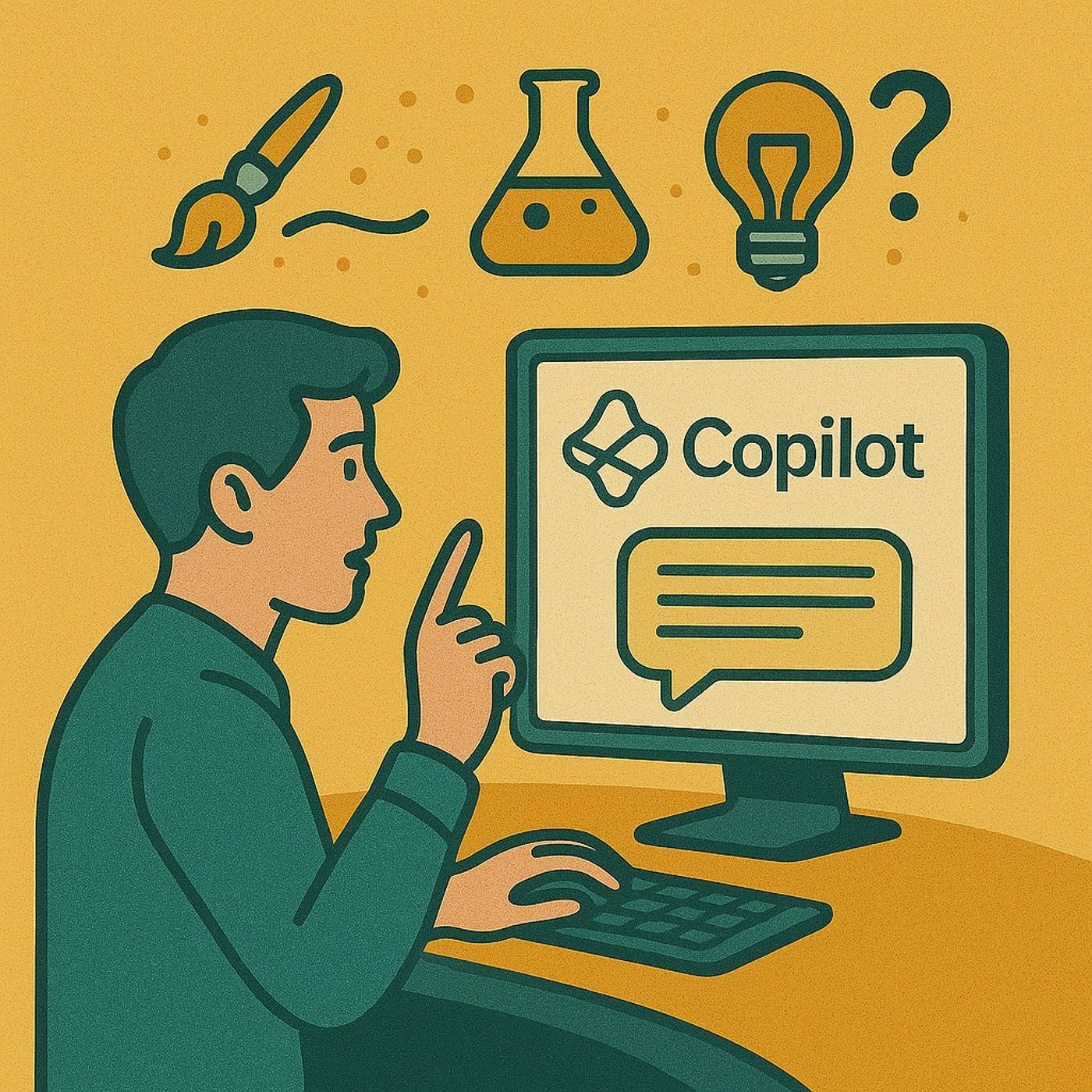
Microsoft Copilot prompting: use iterative, structured prompts instead of chasing the “perfect” one‑shot request
Season 1
Published 9 months, 3 weeks ago
Description
Microsoft Copilot prompting: in this episode of M365.fm, Mirko Peters tears apart the myth of the “perfect prompt” and shows why professionals get better results by iterating in small steps instead of dumping a mega‑prompt into Copilot and praying. He explains how a simple four‑part structure—goal, context, expectations, and sources—beats over‑engineered, 100‑word requests every time, because Copilot works best when each message has one clear destination instead of ten competing instructions.
Mirko then introduces iteration as the engineer’s secret weapon. Instead of asking Copilot for a finished executive brief in one go, he demonstrates a repeatable sequence: first generate a plain‑language summary, then reshape it into an executive style, then extract highlights and action items, and finally adapt the result into an email or slide outline. This layered prompting mirrors how engineers build reliable systems—foundation first, then structure, then detail—while giving you natural checkpoints to verify facts and correct errors as you go.
Context becomes the third pillar. Mirko shows that most mediocre outputs come from context‑free prompts that ignore a company’s templates, vocabulary, and processes, forcing Copilot to fall back to generic business language. By feeding in real examples—past strategies, local naming conventions, house tone—and letting Copilot imitate and adapt them, you get drafts that sound like your organization rather than stock corporate boilerplate, without needing to craft poetic instructions.
Throughout the episode, Copilot is treated less like a magical essay machine and more like a capable intern. Mirko stresses Microsoft’s own guidance: expect back‑and‑forth, always review and verify outputs, and use conversation—not one‑shot prompts—as your default pattern. The payoff is practical: fewer rewrites, outputs aligned with your real context, and a reusable prompting method you can apply across meetings, reports, and executive communication.
WHAT YOU WILL LEARN
Copilot is not a vending machine where you insert the “right” prompt and get perfection. It is a conversation partner that shines when you give it clear goals, real context, and iterative guidance—turning prompting from superstition into a practical, repeatable workflow.
WHO THIS EPISODE IS FOR
This episode is ideal for experienced Microsoft 365 Copilot users, knowledge workers, and lea
Mirko then introduces iteration as the engineer’s secret weapon. Instead of asking Copilot for a finished executive brief in one go, he demonstrates a repeatable sequence: first generate a plain‑language summary, then reshape it into an executive style, then extract highlights and action items, and finally adapt the result into an email or slide outline. This layered prompting mirrors how engineers build reliable systems—foundation first, then structure, then detail—while giving you natural checkpoints to verify facts and correct errors as you go.
Context becomes the third pillar. Mirko shows that most mediocre outputs come from context‑free prompts that ignore a company’s templates, vocabulary, and processes, forcing Copilot to fall back to generic business language. By feeding in real examples—past strategies, local naming conventions, house tone—and letting Copilot imitate and adapt them, you get drafts that sound like your organization rather than stock corporate boilerplate, without needing to craft poetic instructions.
Throughout the episode, Copilot is treated less like a magical essay machine and more like a capable intern. Mirko stresses Microsoft’s own guidance: expect back‑and‑forth, always review and verify outputs, and use conversation—not one‑shot prompts—as your default pattern. The payoff is practical: fewer rewrites, outputs aligned with your real context, and a reusable prompting method you can apply across meetings, reports, and executive communication.
WHAT YOU WILL LEARN
- Why the “perfect one‑shot prompt” is a myth and how it wastes time.
- How to use a simple four‑part prompt structure: goal, context, expectations, and sources.
- How iterative prompting (summary → format → highlights → communication) yields better business results.
- How to feed Copilot real organizational context so outputs match your templates and tone.
- How to treat Copilot as a collaborative assistant you guide and verify, not an oracle.
Copilot is not a vending machine where you insert the “right” prompt and get perfection. It is a conversation partner that shines when you give it clear goals, real context, and iterative guidance—turning prompting from superstition into a practical, repeatable workflow.
WHO THIS EPISODE IS FOR
This episode is ideal for experienced Microsoft 365 Copilot users, knowledge workers, and lea