Episode Details
Back to Episodes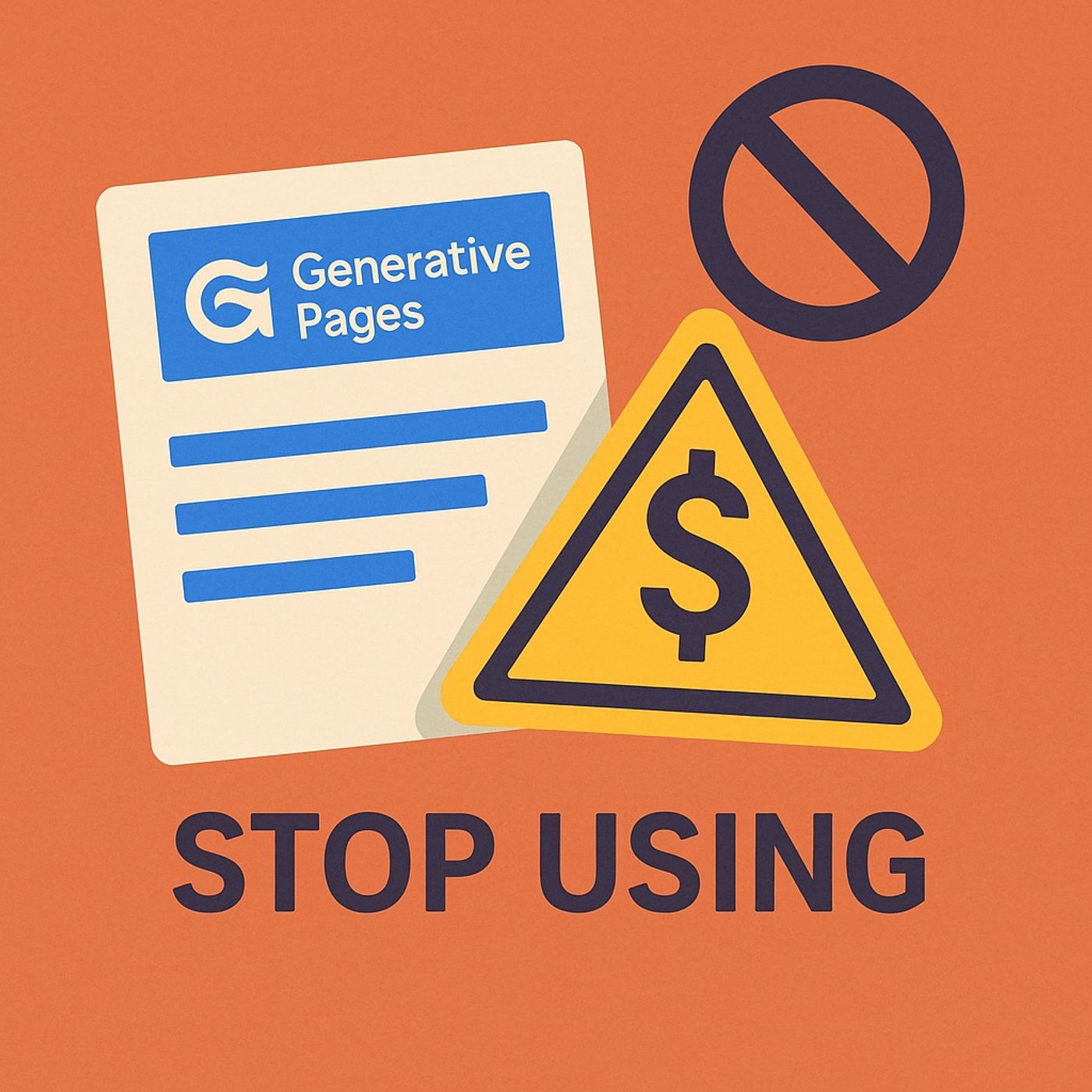
Power Apps Generative Pages licensing: avoid the Dataverse premium trap before you click “Generate”
Season 1
Published 9 months, 1 week ago
Description
Power Apps Generative Pages licensing: in this episode of M365.fm, Mirko Peters breaks down the “free lunch” illusion behind Generative Pages in Power Apps and explains how a single click on “Describe your page” can silently upgrade you into Dataverse‑backed, premium‑licensed territory. He shows how AI‑generated pages look like harmless prototypes—pretty calendars, dashboards, and forms built from a sentence—while under the hood they deploy Dataverse schema, model‑driven plumbing, and premium capabilities that finance will absolutely notice later.
Mirko starts with what Generative Pages actually do. Copilot takes your natural‑language prompt, uses existing Dataverse tables or creates new ones, and scaffolds a React‑based page inside a model‑driven app—complete with relationships, security, and automation hooks. It feels like no‑code magic, but the reality is scaffolding, not sorcery: the AI wires you into Dataverse’s full enterprise stack, with all the compliance and licensing implications that come with it. What looks like a quick experiment is, from the platform’s perspective, a premium app.
He then exposes the Dataverse “silent upgrade” most makers never see. As soon as a Generative Page binds to Dataverse, your app crosses from standard connectors (SharePoint, Excel) into premium land, where every active user now requires a Power Apps Premium license and your environment consumes Dataverse capacity for database, file, and log storage. Mirko explains why this is by design: Dataverse brings relational integrity, audit trails, and enterprise security—but that power is priced accordingly, and Generative Pages are built on the assumption you’re ready to pay for it.
The episode also dismantles the SharePoint virtual table mirage. Many teams believe they can dodge Dataverse licensing by exposing SharePoint lists as virtual tables and letting Generative Pages sit on top “for free.” Mirko explains why this still relies on Dataverse as the metadata and security engine: virtual tables are Dataverse assets, not shortcuts around it. The platform still counts premium usage, and you end up with Dataverse complexity plus SharePoint limitations, instead of a genuinely cheaper architecture.
Throughout the conversation, Mirko gives you a practical decision framework. You’ll learn when Generative Pages plus Dataverse are absolutely worth it—regulated workloads, complex relational models, long‑lived apps—and when you should stick to Canvas Apps on standard connectors or other patterns to avoid surprise licensing explosions. He closes with concrete steps for platform owners: documenting premium patterns, setting environment guardrails, educating makers about the “generate = premium” rule, and budgeting Generative Pages as enterprise assets instead of free experiments.
WHAT YOU WILL LEARN
Generative Pages are not free UI toys—they are Dataverse deployment buttons with good marketing. Once you see that “Describe your page” really means “Stand up a premium, governed Dataverse app,” you can stop sleepwalking into licensing traps and start treating these pages like the enterprise assets they actually are.
WHO THIS EPISODE IS FOR
This episode is ideal for Power Apps makers, solution architects, Power Platform admins, and IT or finance leaders who are piloting Gen
Mirko starts with what Generative Pages actually do. Copilot takes your natural‑language prompt, uses existing Dataverse tables or creates new ones, and scaffolds a React‑based page inside a model‑driven app—complete with relationships, security, and automation hooks. It feels like no‑code magic, but the reality is scaffolding, not sorcery: the AI wires you into Dataverse’s full enterprise stack, with all the compliance and licensing implications that come with it. What looks like a quick experiment is, from the platform’s perspective, a premium app.
He then exposes the Dataverse “silent upgrade” most makers never see. As soon as a Generative Page binds to Dataverse, your app crosses from standard connectors (SharePoint, Excel) into premium land, where every active user now requires a Power Apps Premium license and your environment consumes Dataverse capacity for database, file, and log storage. Mirko explains why this is by design: Dataverse brings relational integrity, audit trails, and enterprise security—but that power is priced accordingly, and Generative Pages are built on the assumption you’re ready to pay for it.
The episode also dismantles the SharePoint virtual table mirage. Many teams believe they can dodge Dataverse licensing by exposing SharePoint lists as virtual tables and letting Generative Pages sit on top “for free.” Mirko explains why this still relies on Dataverse as the metadata and security engine: virtual tables are Dataverse assets, not shortcuts around it. The platform still counts premium usage, and you end up with Dataverse complexity plus SharePoint limitations, instead of a genuinely cheaper architecture.
Throughout the conversation, Mirko gives you a practical decision framework. You’ll learn when Generative Pages plus Dataverse are absolutely worth it—regulated workloads, complex relational models, long‑lived apps—and when you should stick to Canvas Apps on standard connectors or other patterns to avoid surprise licensing explosions. He closes with concrete steps for platform owners: documenting premium patterns, setting environment guardrails, educating makers about the “generate = premium” rule, and budgeting Generative Pages as enterprise assets instead of free experiments.
WHAT YOU WILL LEARN
- What Generative Pages really do under the hood—Dataverse schema, model‑driven plumbing, and React‑based UI.
- How a single AI‑generated page flips your app from standard to premium licensing and Dataverse capacity.
- Why SharePoint virtual tables do not avoid Dataverse costs and often create a fragile hybrid architecture.
- When Generative Pages plus Dataverse are the right choice, and when cheaper Canvas/standard patterns are better.
- How to educate makers and design environment guardrails so “AI magic” doesn’t blow up your licensing budget.
Generative Pages are not free UI toys—they are Dataverse deployment buttons with good marketing. Once you see that “Describe your page” really means “Stand up a premium, governed Dataverse app,” you can stop sleepwalking into licensing traps and start treating these pages like the enterprise assets they actually are.
WHO THIS EPISODE IS FOR
This episode is ideal for Power Apps makers, solution architects, Power Platform admins, and IT or finance leaders who are piloting Gen