Episode Details
Back to Episodes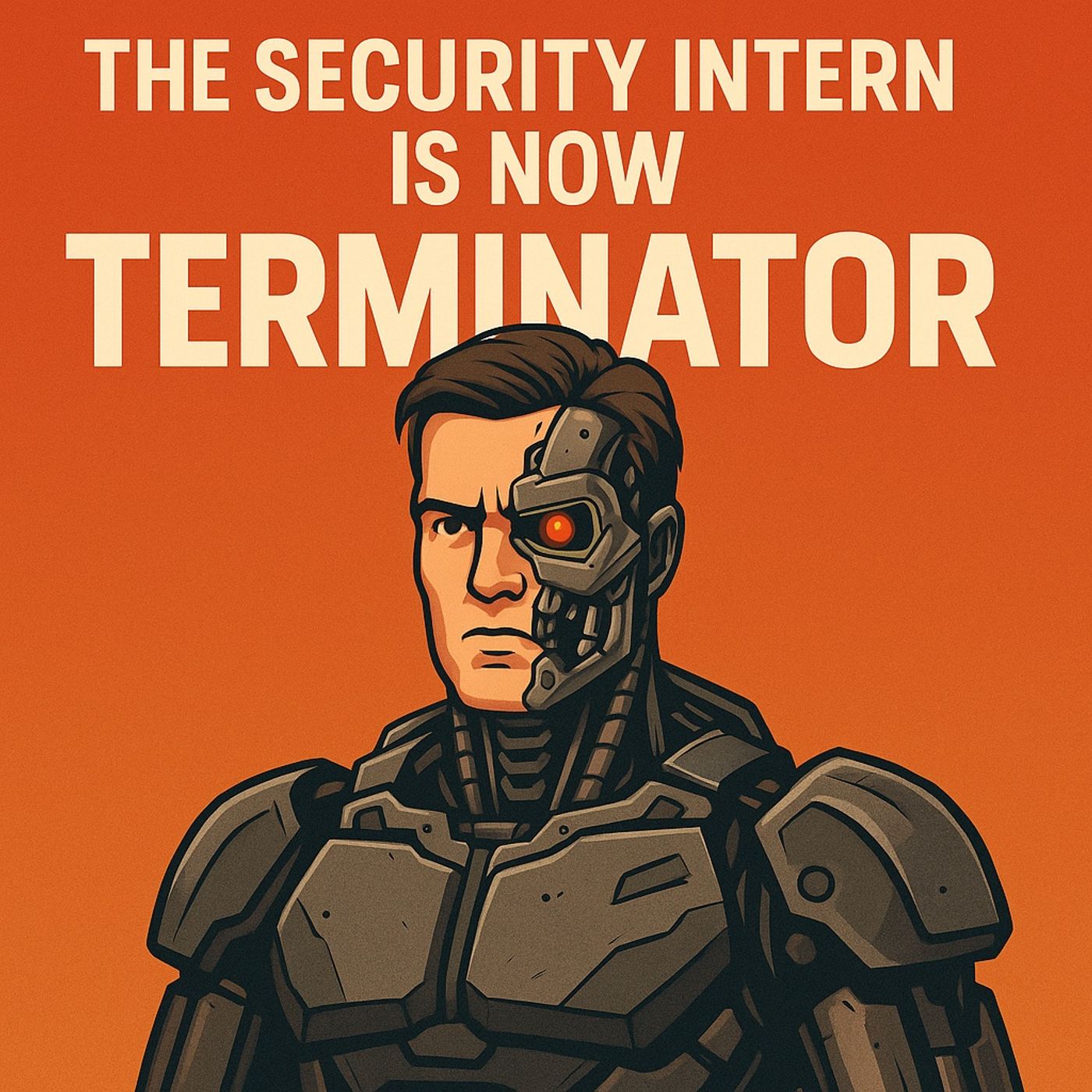
Security Copilot synthetic analysts: how autonomous agents are transforming SOCs
Season 1
Published 9 months ago
Description
(00:00:00) Meet the Synthetic Analyst Intern
(00:00:19) The Burden of Manual Security Analysis
(00:00:36) Introducing Security Copilot's Autonomous Agents
(00:04:55) The Phishing Triage Agent: Inbox Guardian
(00:08:29) Conditional Access Optimization: The Digital Doorman
(00:12:22) Vulnerability Remediation: The Digital Medic
(00:16:14) Building Your Own Autonomous Security Agents
(00:19:28) The Future of Security Operations
(00:19:55) Embracing AI-Powered Security
In this episode of M365.fm, Mirko Peters introduces “synthetic analysts” in Microsoft Security Copilot and explains why your new security intern is now an autonomous agent that never sleeps, never burns out, and quietly takes over large chunks of SOC work. He shows how traditional Security Operations Centers drowned in alert noise, rule‑based automation hit its limits, and how agentic AI flips the model by reasoning in context, learning from feedback, and turning one human correction into permanent institutional memory across Defender, Purview, Entra, and Intune. You will hear how these agents think like your best analysts—triaging alerts, planning next steps, and improving as you correct them—until they start to feel less like scripts and more like tireless, synthetic coworkers.
Mirko walks through three concrete Security Copilot agents that behave like a robotic operations team. The Phishing Triage Agent interrogates suspicious emails at scale, correlates telemetry from Defender, and slashes alertfatigue by closing benign cases automatically while escalating real attacks with full reasoning and visual workflows. A Conditional Access Optimization Agent rewrites identity policies before auditors find gaps, reading patterns in Entra signals and proposing or applying changes that tighten zerotrust posture without breaking users. A vulnerability and remediation agent quietly prepares patches and deployment plans from Intune and Defender data while humans still debate severity, compressing mean‑time‑to‑remediate (MTTR) from days to hours.
Throughout the episode, Mirko explains how feedback loops make these agents better than classic automation. Instead of static playbooks, Security Copilot agents adapt: each “this alert is harmless” or “this policy is fine” becomes new training signal the agent reuses next time, turning every analyst correction into scalable, synthetic experience. He also dives into transparency and governance: why every step in the agent’s reasoning is documented, how visual flows and citations make decisions auditable, and how security teams keep humans firmly in charge of guardrails, approvals, and exceptions even as agents absorb the grunt work.
By the end, you will see why the “security intern” metaphor is only half a joke. SOCs stop being punishment engines for humans and become oversight hubs for syntheticanalysts that handle volume, filter noise, and surface the few incidents that truly need human judgment. If you run a SOC, work in cyber operations, or lead security strategy and want to understand what agentic AI really does to roles, workloads, and governance, this conversation gives you the language, mental models, and thresholds you need.
WHAT YOU WILL LEARN
(00:00:19) The Burden of Manual Security Analysis
(00:00:36) Introducing Security Copilot's Autonomous Agents
(00:04:55) The Phishing Triage Agent: Inbox Guardian
(00:08:29) Conditional Access Optimization: The Digital Doorman
(00:12:22) Vulnerability Remediation: The Digital Medic
(00:16:14) Building Your Own Autonomous Security Agents
(00:19:28) The Future of Security Operations
(00:19:55) Embracing AI-Powered Security
In this episode of M365.fm, Mirko Peters introduces “synthetic analysts” in Microsoft Security Copilot and explains why your new security intern is now an autonomous agent that never sleeps, never burns out, and quietly takes over large chunks of SOC work. He shows how traditional Security Operations Centers drowned in alert noise, rule‑based automation hit its limits, and how agentic AI flips the model by reasoning in context, learning from feedback, and turning one human correction into permanent institutional memory across Defender, Purview, Entra, and Intune. You will hear how these agents think like your best analysts—triaging alerts, planning next steps, and improving as you correct them—until they start to feel less like scripts and more like tireless, synthetic coworkers.
Mirko walks through three concrete Security Copilot agents that behave like a robotic operations team. The Phishing Triage Agent interrogates suspicious emails at scale, correlates telemetry from Defender, and slashes alertfatigue by closing benign cases automatically while escalating real attacks with full reasoning and visual workflows. A Conditional Access Optimization Agent rewrites identity policies before auditors find gaps, reading patterns in Entra signals and proposing or applying changes that tighten zerotrust posture without breaking users. A vulnerability and remediation agent quietly prepares patches and deployment plans from Intune and Defender data while humans still debate severity, compressing mean‑time‑to‑remediate (MTTR) from days to hours.
Throughout the episode, Mirko explains how feedback loops make these agents better than classic automation. Instead of static playbooks, Security Copilot agents adapt: each “this alert is harmless” or “this policy is fine” becomes new training signal the agent reuses next time, turning every analyst correction into scalable, synthetic experience. He also dives into transparency and governance: why every step in the agent’s reasoning is documented, how visual flows and citations make decisions auditable, and how security teams keep humans firmly in charge of guardrails, approvals, and exceptions even as agents absorb the grunt work.
By the end, you will see why the “security intern” metaphor is only half a joke. SOCs stop being punishment engines for humans and become oversight hubs for syntheticanalysts that handle volume, filter noise, and surface the few incidents that truly need human judgment. If you run a SOC, work in cyber operations, or lead security strategy and want to understand what agentic AI really does to roles, workloads, and governance, this conversation gives you the language, mental models, and thresholds you need.
WHAT YOU WILL LEARN
- Why classic SOCs broke under alert volume and why rule‑based automation could not keep up.
- How Security Copilot’s synthetic analysts use context, feedback loops, and reasoning to cut alert fatigue.
- How phishing, conditional access, and vulnerability agents work together as a robotic ops team.
- How visual workflows, explana