Episode Details
Back to Episodes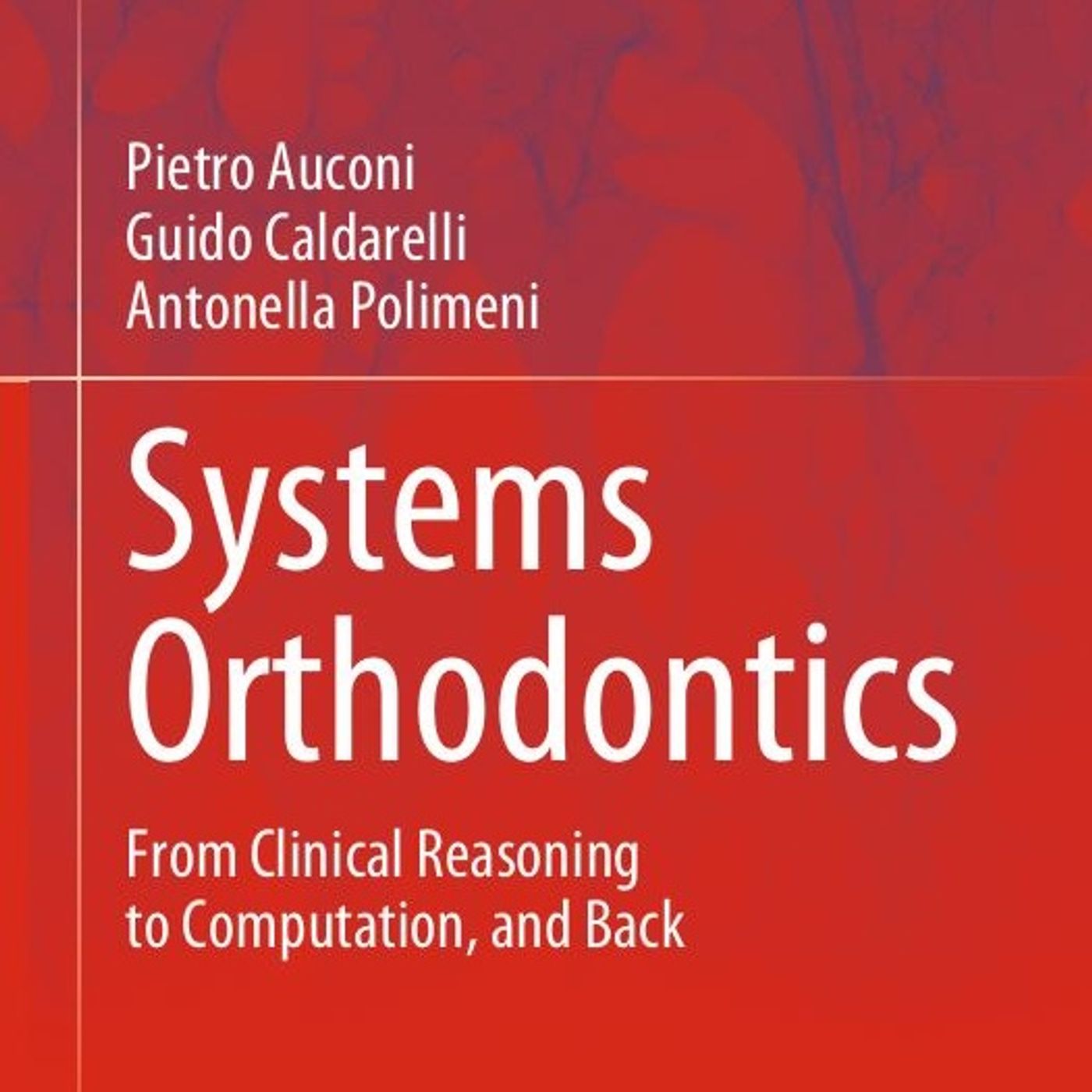
Systems Orthodontics: From Clinical Reasoning to Computation, and Back
Published 3 months, 1 week ago
Description
Examine the practice of orthodontics through the lens of complex systems theory and network analysis, suggesting that the craniofacial system is a highly interconnected biological structure. The text argues that traditional orthodontic methods, which often rely on linear statistics and population averages from cephalometric data, are insufficient for predicting individual patient outcomes due to the inherent nonlinearity and contingency of facial development. Instead, the sources advocate for a holistic, patient-centered approach that utilizes systems thinking to understand how variables interact, how morphological defects propagate through networks, and how artificial intelligence and machine learning can assist in modeling these complex relationships, particularly in challenging cases like Class III malocclusions. Ultimately, the goal is to shift from seeking general rules to defining personalized, dynamic pathways for growth and treatment, recognizing that the whole system exerts control over its individual parts.
You can listen and download our episodes for free on more than 10 different platforms:
https://linktr.ee/dentistry_made_simple
Produced by:
https://www.podcaistudio.com/
You can listen and download our episodes for free on more than 10 different platforms:
https://linktr.ee/dentistry_made_simple
Produced by:
https://www.podcaistudio.com/