Episode Details
Back to Episodes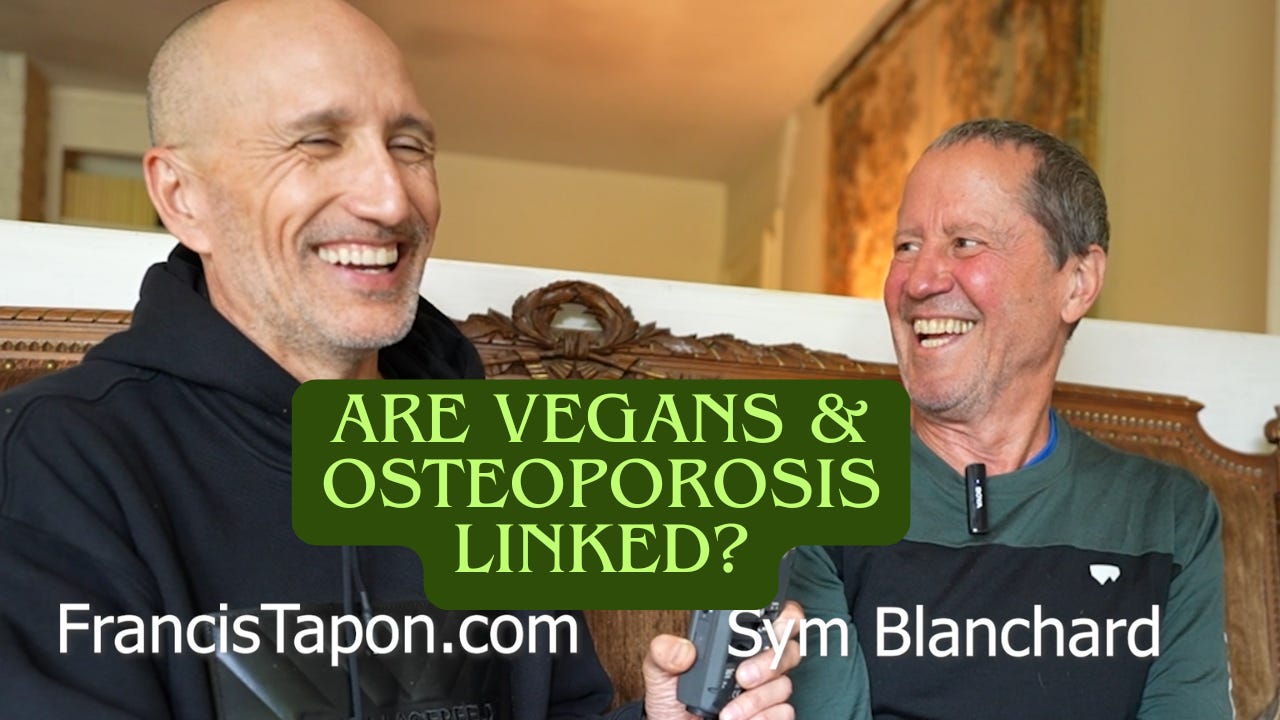
Are Vegans Prone To Osteoporosis?
Description
In 2025, I catch up with one of the most remarkable 72-year-olds you’ll ever meet, Sym Blanchard!
Watch this podcast!
This page features five episodes starring Sym.
Listen to all the episodes featuring Sym Blanchard since 2018!
* A 66-year-old Adventurer Shows How To Live A Meaningful Life in 2018 (one of the top 5 most popular WanderLearn episodes!)
* Traveling To Find One’s Ancestors in 2019
* Near Death on the CDT + Sym’s 60-Year Love Story in 2020
* Nine Shows Sharing Travel Wisdom Featuring Sym Blanchard in 2022
* Unstoppable 70-year-old Adventurer Sym Blanchard in 2023
Is Veganism & Osteoporosis Linked?
You’ll want to watch the video because it’s the only part of this podcast series with Sym that I filmed in 2025.
Timeline
00:00 Introducing Sym
04:00 Reversing Aging
08:50 Veganism and osteoporosis
19:45 Testosterone creams on your genitals
22:00 Aging advice
25:00 Dating Lessons
In the episode, we discuss the connection between veganism and osteoporosis. Neither of us is a doctor, and you shouldn’t take anecdotal evidence as proof of anything.
I asked Perplexity.ai about the issue, and it said:
There is evidence linking veganism and osteoporosis, though the relationship is nuanced and influenced by diet quality and nutritional adequacy.
* Increased Risk with Poorly Planned Diets: Multiple extensive studies and systematic reviews have found that vegans—especially those consuming diets low in calcium, vitamin D, vitamin B12, protein, zinc, and omega-3 fatty acids—tend to have lower bone mineral density (BMD) and an increased risk of both osteoporosis and bone fractures compared to omnivores. This elevated risk has been observed in major cohort studies, such as the EPIC-Oxford study, which reported a significantly higher risk of fractures among vegans even after adjusting for body mass index and lifestyle factors.
* Nutritional Deficiencies Matter: The increased risk is primarily attributed to common deficits in key nutrients critical for bone health, such as calcium, vitamin D, and B12, which are less prevalent in plant-based foods unless supplemented or fortified. Protein intake is also sometimes lower in vegan regimens, which can further impact bone strength.
* Well-Planned Vegan Diets & Positive Outcomes: Recent research shows that a “well-planned” vegan diet—emphasizing adequate intake of calcium, vitamin D, B12, protein, and other bone-related nutrients (often through fortified foods or supplements)—does not significantly increase the risk of osteoporosis compared to omnivorous diets. Some studies have found that a healthful, plant-based diet may even reduce the risk of osteoporosis due to increased intakes of bone-protective nutrients like vitamin K, magnesium, and antioxidants, as well as because such diets tend to produce a lower acid load, which may reduce bone resorption.
* Physical Activity Modifies the Risk: There is also evidence that resistance exercise (such as weightlifting or strength training) can imp