Episode Details
Back to Episodes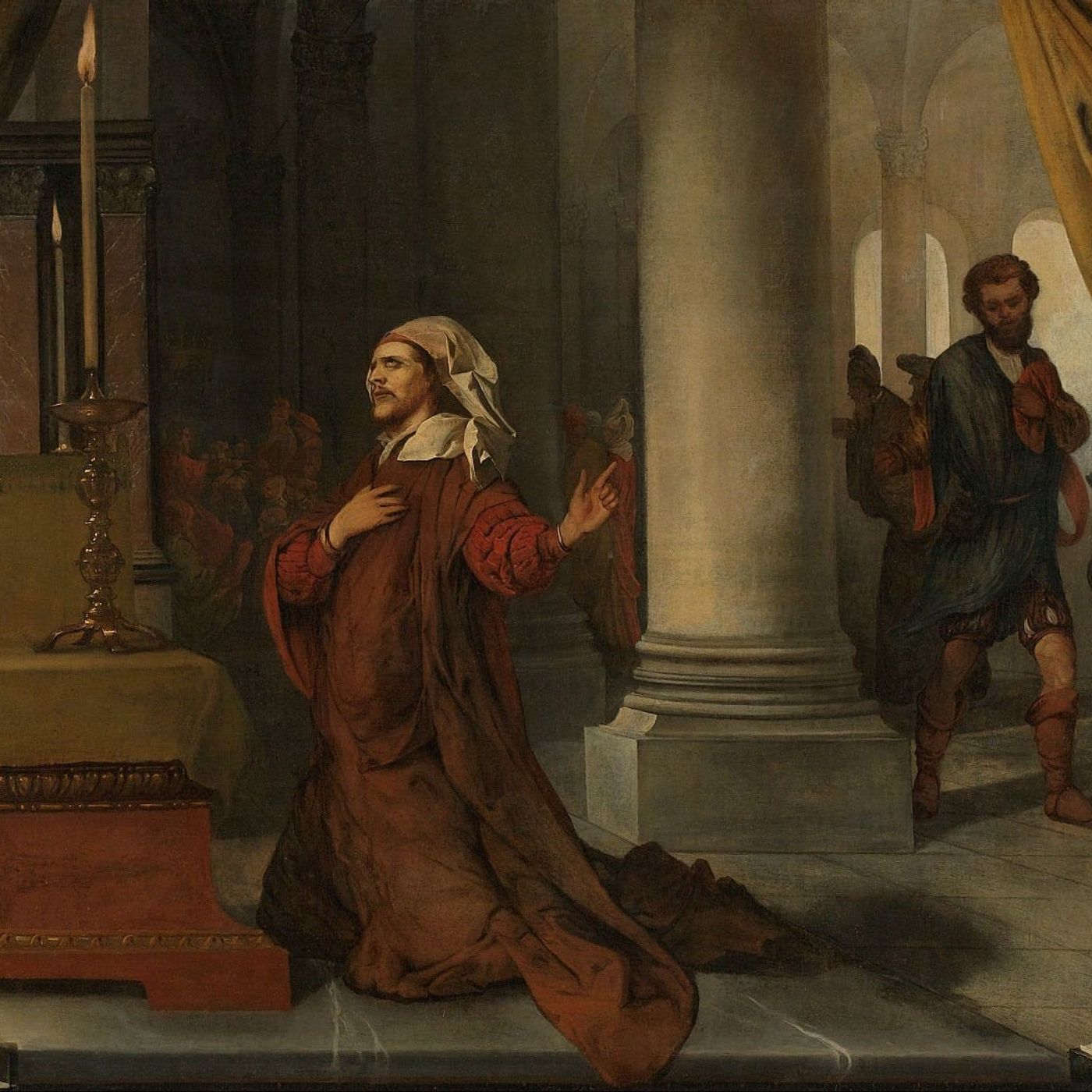
How can a person be right with God? - The Pharisee and the Tax Collector
Published 1 year ago
Description
How can a person be right with God? This is one of the most central questions to all of human existence. It’s probably true that most religions are an attempt on some level to answer this question.When considered seriously, human beings know that it is not an easy question to answer. Most of us have some awareness of what Christians would call “sin”. That is, that we fall short of the moral standard that is required of us. And that, in some way, this distances us from God in his holiness and purity.How can be right with him? How can we have communion with him?The Parable of the Pharisee and the Tax Collector speaks to this question in such an important way. Let’s consider it.The PhariseeTo begin, Jesus spoke to “certain persons who were confident in themselves that they were righteous whilst despising everyone else”.The word for righteous relates to the question I just mentioned. It comes from a group of words that is used frequently in the New Testament, the root word of which is dikaiosune. This word relates not only to moral uprightness but to being justified in the sight of God.So these people’s answer to the question of how I can be right with God is essentially through my own personal moral goodness.In this story, the Pharisee enters the Temple with great confidence, standing upright and praying about himself. One of the things he says is, “I fast twice a week and tithe from everything whatsoever that I earn.” Now, it’s true that he thanks God for his wonderful situation but really this comes across as a religious gloss on what is essentially pride in his own religious accomplishments: “Look at how great I am.”And the way that this is made clear is in his attitude to other people: “God, I thank you that I am not like the rest of mankind – rapacious, unjust, adulterous – or even like this tax-collector.”Why compare himself to other people in this way? Simply, because it makes him feel good about himself. I am right; they are wrong. I am good; they are bad. I’m committed; they are lazy. And so on and so on.I have to say that I’ve come across a lot of this sort of thing in the Christian world. Christ obviously understood people’s hearts and could foresee this. Whole denominations of the Christian Church become obsessed with comparing themselves favourably to other Christians. “I thank you, God, that I am not like other men. I’ve got my doctrine straight. I do not compromise over moral issues. I am in the right part of the Christian Church. I am upright in every way and will not have any contact with those who are unclean in my sight.”For anyone on the receiving end, it’s a deeply unpleased and ungracious attitude. It’s amazing how easy we find it to take the teaching and example of Christ and to turn it into fractious, ugly, judgemental and without love, charity, or humility.I should say that I think this is a particularly apt word for those people who consider theological orthodoxy and the tradition of the Church to be important, indeed central, to the faith. This can quite easily turn into the kind of self-righteous Pharisaism that Jesus denounced.The Tax CollectorHaving said that, there are some things that we can do to avoid this kind of nasty religion. Let’s think about the Tax Collector. Jesus tells us that he stood some way off and wouldn’t lift his eyes to heaven and that he beat upon his breast. Even his body language spoke of his awareness of his unworthiness before God.He said, quite simply, “God, grant mercy to me, a sinner.”So, firstly, he recognised the problem: I am a sinner.This is perhaps an unfashionable observation today: we are all sinners. What does this mean? It means that there is a moral law which is grounded in the holiness and perfection of God and which is binding on every single human being alive. And it means that we often fall short of what is required of us in this regard and we frequently therefore encounter feelings of guilt and shame.For some people, that description will be more than famil