Episode Details
Back to Episodes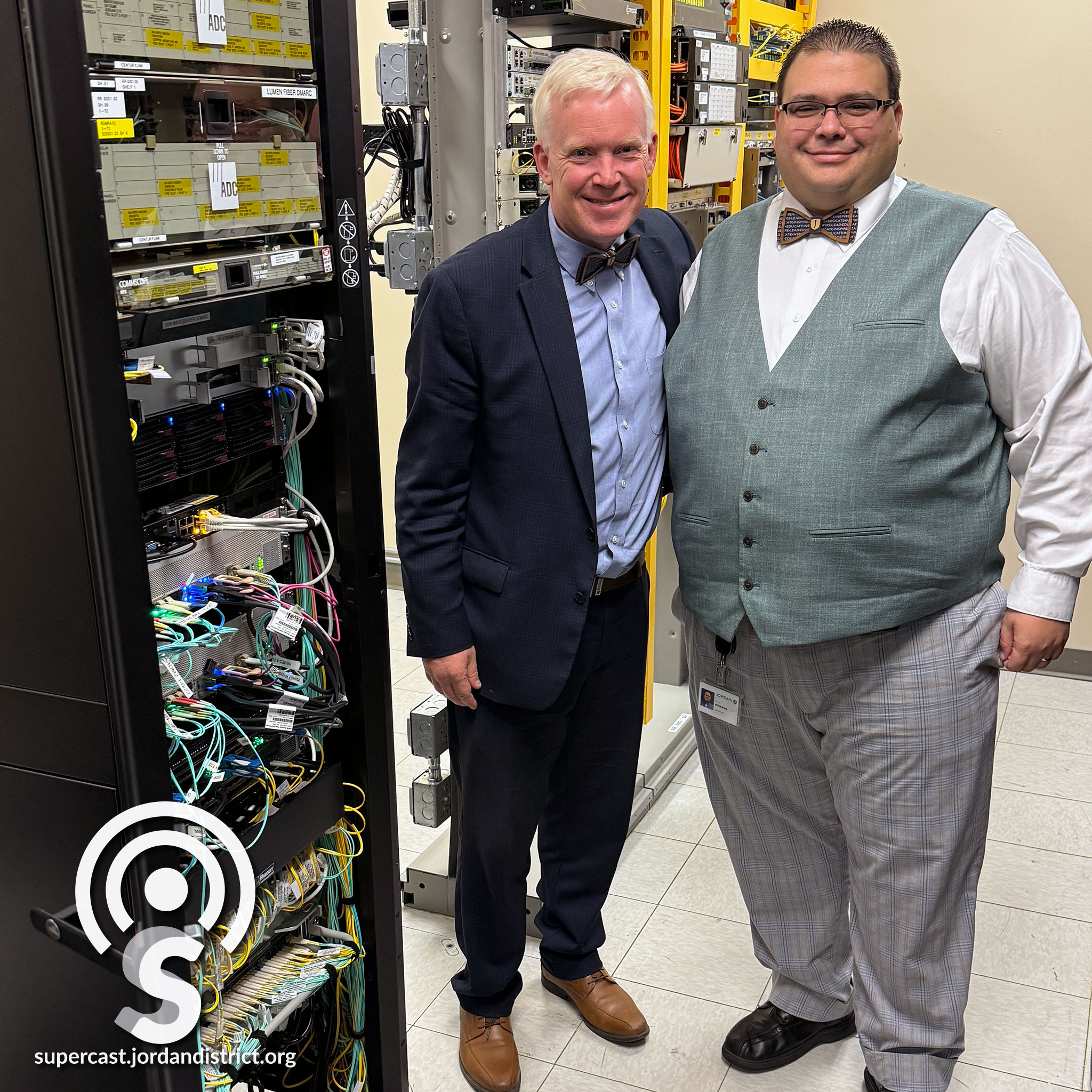
How We Protect Student Data and Defend the District Against Cyber Attacks
Description
October is National Cybersecurity Awareness Month, a time to reflect on the many things we do as a school District to keep student data safe and protect employees and families from falling victim to phishing and other scams.
On this episode, find out how partnering with parents and the community can make a big difference in defending against cyber-attacks and reducing risks online.
Audio Transcription
David Bowman:
So these threats look like, yeah, hacker kids in basements all over the world. It looks like cyber criminal gangs. We even have fairly consistent attacks from nation threat actors.
Anthony Godfrey:
Let's talk about the scale of the threat.
David Bowman:
Wow, shock and awe number of about four million a day.
Anthony Godfrey:
Hello and welcome to the Supercast. I'm your host, Superintendent Anthony Godfrey. October is National Cybersecurity Awareness Month, a time to reflect on the many things we do as a school district to keep student data safe and protect employees and families from falling victim to phishing and other scams. On this episode, find out how partnering with parents and the community can make a big difference in defending against cyberattacks and reducing risks online. We're talking today with David Bowman, the Systems and Security Manager for Jordan School District. Thanks for taking some time.
David Bowman:
Yeah, absolutely.
Anthony Godfrey:
We want to talk about all things cybersecurity. First of all, is cyber like an outdated word? Is that like a Ray Bradbury word, or is that the term, cybersecurity?
David Bowman:
You know, the only other way I kind of express it now is the idea of cyberdefense.
Anthony Godfrey:
Cyberdefense, but cyber is right in there.
David Bowman:
Cyber is still the word.
Anthony Godfrey:
Cyber feels like a 50's sci-fi word, so I kind of like it though. It has a little bit of a nostalgic sound to it.
David Bowman:
It's something, it's a word in IT that hasn't changed in 30 years. That's kind of different.
Anthony Godfrey:
Well, let's talk about cybersecurity. Let's talk first about student data. What do we do to protect student data? There are strict laws in place and I know that sometimes we've actually frustrated some folks because we don't give access to certain apps that refuse to follow the rules when it comes to student data privacy. I know we're very serious about that, so let's talk about exactly what we do.
David Bowman:
You know, the biggest piece of what we do that makes it more effective for us to help protect things is it's intentional. Access to student data, what it's being used for, where it's going, we don't give or share that data to anyone without an intentional evaluation of why it's needed, where it's going, and do they need all of the things they're asking for or just some of the things.
Anthony Godfrey:
Yeah, let's make sure that we're only giving what they absolutely need for us to be able to work effectively with them.
David Bowman:
Yeah, so a good example of what that might have looked like in the past is, you know, we have a lot of folks that may offer grants or educational opportunities like a higher ed institution. Traditionally in the past years ago, we just said, "Okay, here's student records about the students participating." Now we've learned from past history of how cybersecurity incidents have taken place, and in working with our partners that want data that they actually just need to know what grade the student is in and a first and last name and that's really all they need to help them get access to that additional resource, so we don't give them all the things.
Anthony Godfrey:
So we're more thoughtful about the information that we give, first of all. I remember buyin