Episode Details
Back to Episodes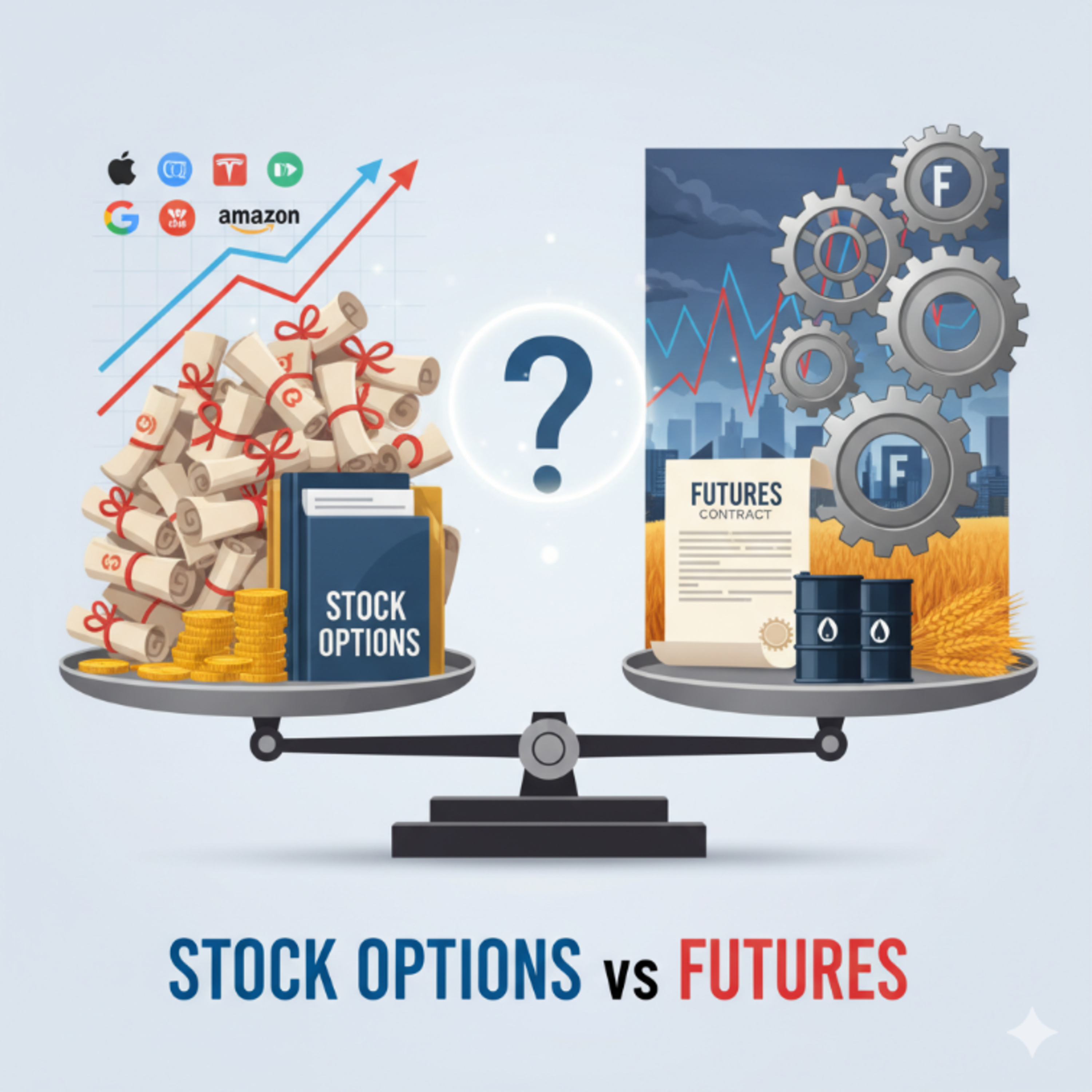
options v/s futures
Description
https://g.co/gemini/share/6e1c90236e9e
While both instruments serve the fundamental economic purposes of risk management (hedging) and speculation, they are grounded in opposing principles of financial commitment, which in turn dictates every aspect of their structure, risk profile, and strategic application. The core distinction lies in their classification: stock options are contingent claims, which grant the holder a right without an obligation, while commodity futures are forward commitments, which impose a binding obligation on both parties. This foundational difference is the genesis of all other distinctions, from the nature of the capital required (a non-refundable premium for options versus a performance-bond margin for futures) to their respective risk-and-reward profiles (asymmetric for options, symmetric for futures). Ultimately, the analysis reveals that the choice between these instruments is not merely a preference for an underlying asset class—equity versus commodities—but a fundamental decision between purchasing a choice and accepting an obligation.