Episode Details
Back to Episodes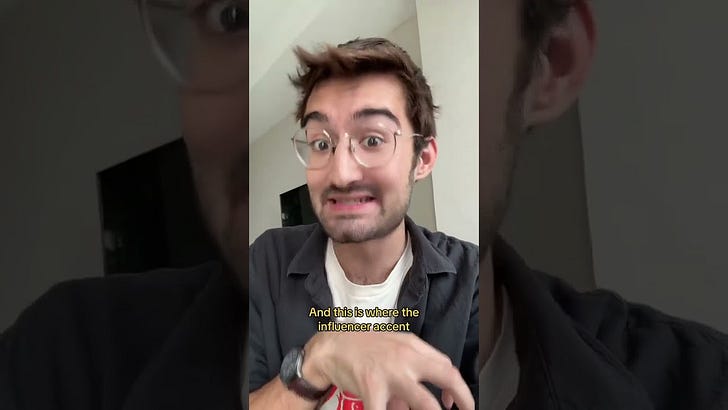
After The Fracture: Only One Show Remains
Description
In this episode, Simone and Malcolm Collins dive deep into the collapse of shared cultural touchstones, the rise of political drama as the new global entertainment, and the balkanization of media and communities. They discuss why TV culture is dying, why politicians have become the new celebrities, and how niche communities are shaping modern discourse. Plus, the Collinses explore fascinating trends in books, sports, video games, and even internet slang. Whether you’re interested in politics, media, or the quirks of online culture, this episode has something for you!
Episode Outline:
As some of you have mentioned episode outlines being helpful, here’s the episode outline we put together for this particular conversation (we don’t always have these—typically we only have them for some of the episodes that Simone leads). Thanks for providing us with feedback on this front!
Based Camp - The Last Show Left
Our present age of cultural balkanization limits the shared experiences over which we can collectively bond
Highlights
* Why is:
* Marco Rubio not a viable Republican presidential candidate, despite his merit?
* The Democratic Party floundering?
* TV show culture dying?
* Because we have entered an age of cultural balkanization and there are only a few common topics left over which we can now bond
* People today—at least Americans—share less and less in common
* For example, an area where we’ve lost common ground is with TV:
* Household viewership for top TV shows peaked in the early 1950s and 1960s, with shows like “I Love Lucy” and “Texaco Star Theatre” exceeding 50%-60% of households.
* Ratings trend downward after the 1970s, with the most recent top shows (2010s) drawing only around 11-14% of TV households per year.
* This decline reflects the growth in viewing choices and fragmentation of the television audience.
* We are no longer reading the same books
* In the early 1980s, blockbuster bestsellers like The Bonfire of the Vanities or The Da Vinci Code could reach up to 10% or more of US adults. In contrast, today’s bestsellers—even the most popular fiction—are typically read by just 1-2% of Americans.
* Fewer Americans are even reading a book: Only 48.5% of US adults read any book for pleasure in 2022, down from 52.7% in 2017. Just a third of Americans now read novels or stories, way down from past decades
* Despite this, nearly 4 million new book titles are published each year these days (when including self-published works)
* Compare that to 2003, about 300,000 new titles were published in the US
* We are no longer playing the same games
* In the 1980s and 1990s, blockbuster video games (like Super Mario Bros. or Tetris) could reach 30%–50% or more of all gamers worldwide.
* Today, even mega-best-sellers like Minecraft (238 million copies all-time) or Grand Theft Auto V (175 million copies) have only ever reached around 5–10% of all gamers over their lifespans, and at any given moment the “current” bestseller typically only engages about 1–2% of all active gamers.
* In-person MLB attendance is down about 30% compared to 15 years ago.
* We are not watching major professional sporting events like we used to
* average regular-season NFL viewership is down from peaks in the 1980s–2000s.
* NBA Finals 2025 averaged 10.2 million viewers—down 46% from its 2005 peak.
* Anecdotally speaking, at least 20% of conversation at the parties we host involves either our pretending to understand content or people being referenced or asking for explanations
* Meanwhile, hyper niche communities are flourishing, complete with their own dialect and slang
* E.g. the influencer accent, which uses a variant of the valley girl accent to better maintain viewer attention:
* Why does this matter?
* We have fewer themes around which we can