Episode Details
Back to Episodes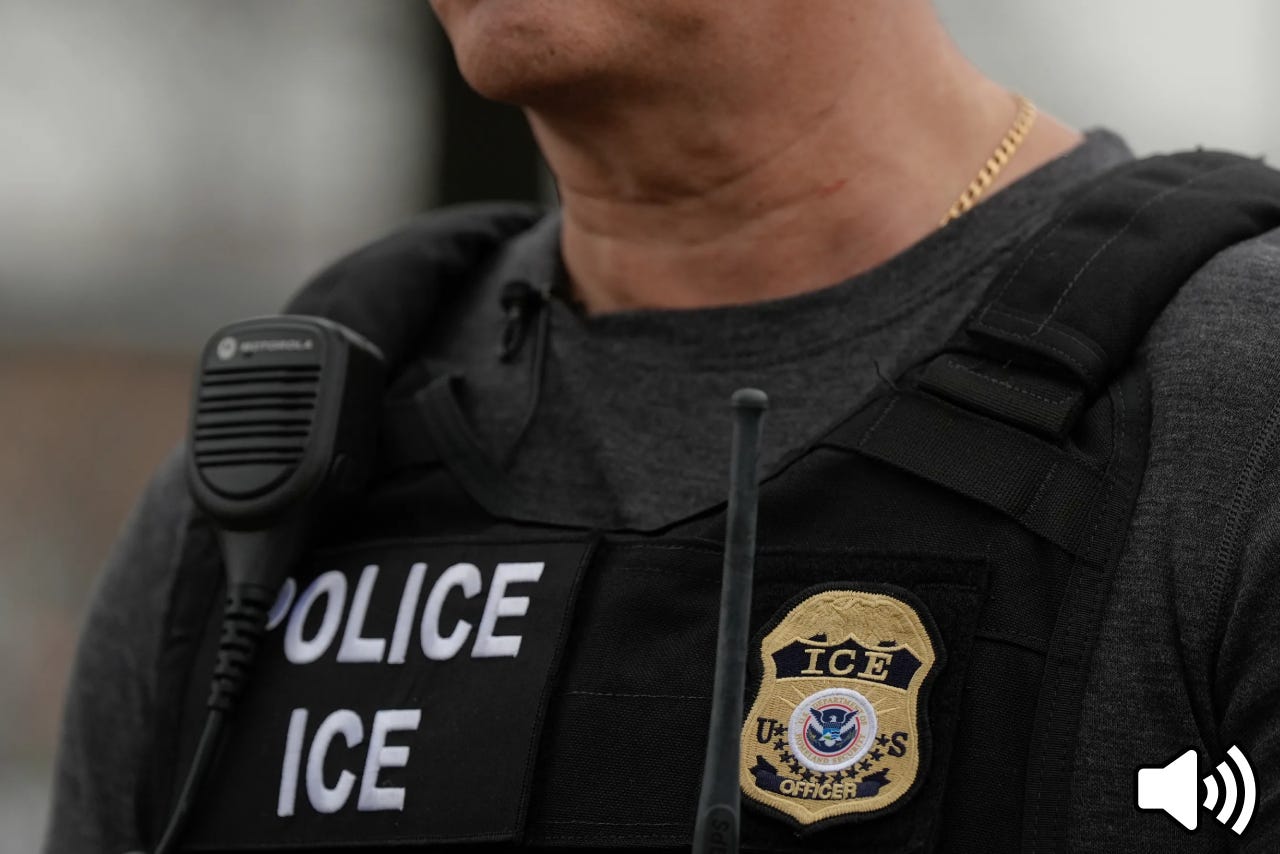
How Is More Law Enforcement In Crime-Ravaged Cities A Bad Thing?
Description
In the shadow of America’s crumbling urban cores, where sirens wail like a perpetual dirge and law-abiding citizens huddle behind bolted doors, a simple truth pierces the fog of hysteria: increased federal law enforcement presence in cities like Chicago, Washington, DC, and Portland should terrify no one—except the criminals who thrive in chaos.
Yet, here we are, in October 2025, watching a parade of virtue-signaling, elitist politicians and their activist enablers clutching pearls over the sight of federal agents in tactical gear. “How dare the feds step in to restore order!” It’s as if these critics believe safety is a privilege reserved for the elite, while the rest of us must endure the fallout from their failed experiments in “progressive” policing. Spare us the crocodile tears; this isn’t oppression—it’s overdue reinforcement of the law for communities gasping under the weight of unchecked violence.
Let’s dismantle the absurd objections with cold facts.
Federal law enforcement agencies, from the FBI to the DEA, deliver what strapped local departments can only dream of: surges of extra personnel, cutting-edge investigative tools, and technology that turns guesswork into precision strikes against criminals. Local police in cash-strapped cities often limp along with outdated equipment and bone-tired officers pulling endless overtime. By partnering with federal teams, these cities shift from reactive to proactive—thwarting violent crimes before they erupt, dismantling organized syndicates, and shielding against cyber threats that know no zip code. In Portland, where federal deployments have ramped up amid spiraling unrest, this collaboration shouldn’t be seen as an invasion; it should be understood as a lifeline, allowing overwhelmed locals to focus on neighborhood patrols instead of playing whack-a-mole with transnational gangs.
Consider the scale of the enemy: criminal networks peddling drugs, trafficking humans, and orchestrating cyber heists that span cities, states, and oceans. Local cops, handcuffed by jurisdictional red tape and razor-thin budgets, can’t chase a cartel kingpin from Chicago’s South Side to a Juárez safehouse without federal help. Enter the feds, with their authority to coordinate across borders and resources to sustain long-haul ops.
In Washington, DC, where opioid floods and fentanyl labs have turned monuments into memorials, this interstate synergy has already nipped multi-state trafficking rings in the bud. Objectors whine about “federal overreach,” but what they really fear is accountability—for letting these predators fester under their watch.
And let’s not tiptoe around the elephant in the riot gear: the violent disruptions sown by extremist groups masquerading as social justice warriors. Far-Left outfits like Antifa and Black Lives Matter aren’t spontaneous uprisings; they’re bankrolled, manufactured spectacles of fury, fueled by deep-pocketed progressive donors who treat chaos as a checkbook cause. Reports reveal how foundations tied to figures like George Soros and Neville Roy Singham have funneled over $100 million to organizations linked to these “extremist protests,” enabling sustained campaigns of arson, looting, and ideological intimidation.
In Portland’s 2025 flare-ups, federal agents brought specialized intel to monitor these networks, investigating funding trails that locals couldn’t touch without sparking a media meltdown. Neutralizing these threats isn’t about stifling dissent—it’s about protecting the innocent from Molotov cocktails and brick-throwing ideologues who erroneously equate law and order with fascism. If that’s “provocative,” then so is locking your door at night.
Compounding this mess are the fiscal black holes sucking these same cities dry. Major cities are drowning in deficits, bloated by politically expedient spending on everything from green initiatives to identity politics pet projects, leaving precious little for a