Episode Details
Back to Episodes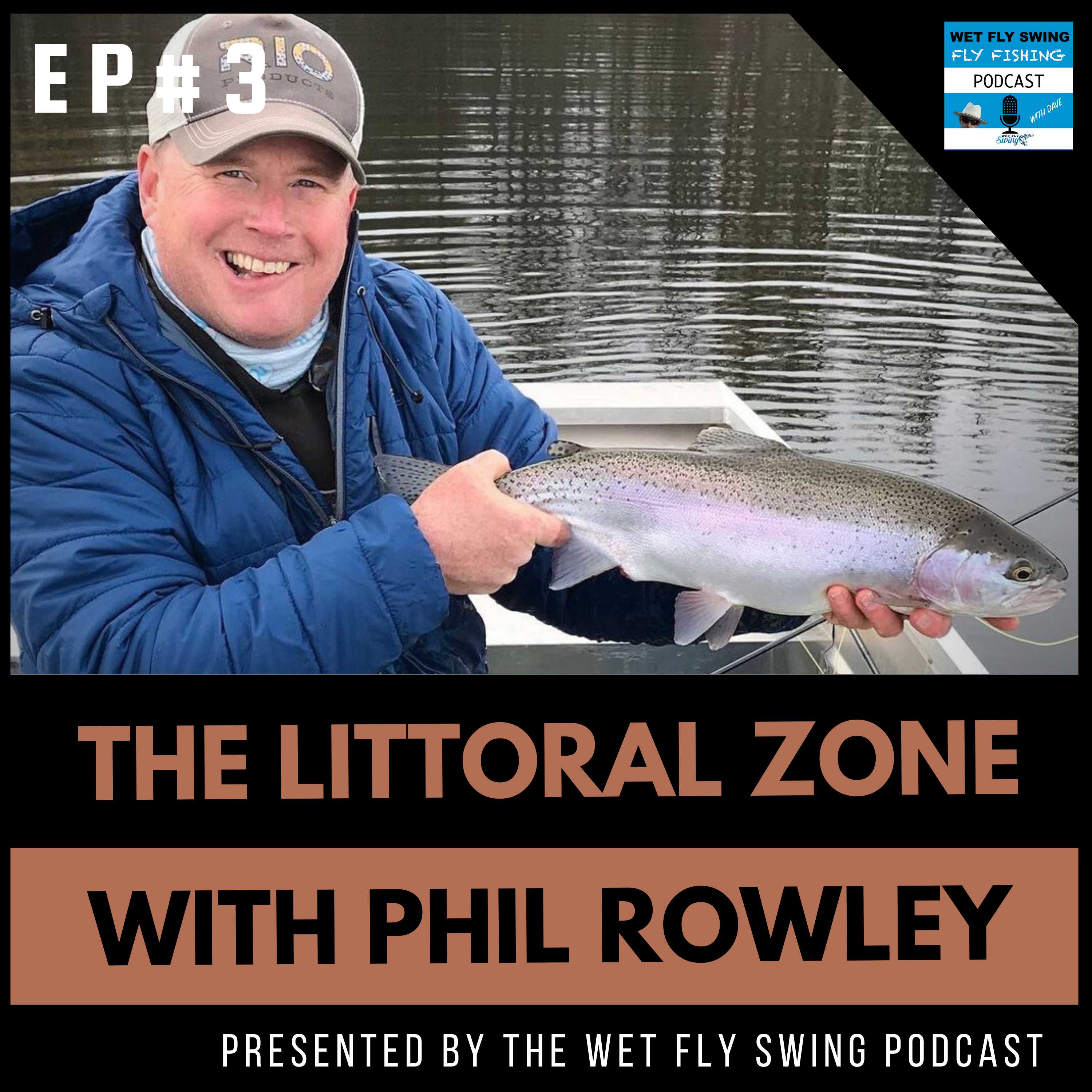
Littoral Zone #3: How to Approach New Lakes with Phil Rowley - Stillwater Fly Fishing
Description
Show Notes: https://wetflyswing.com/lz3
Presented By: Daiichi, Drifthook Fly Fishing, Stonefly Nets
Sponsors: https://wetflyswing.com/sponsors
Today we got Phil Rowley to get you prepared for approaching new lakes on your next trip. He shares his expertise and provides invaluable tips and techniques for anglers looking to tackle unfamiliar waters.
According to Phil, the key to success all starts with meticulous planning and preparation. In this blog post, we'll dive deeper into Phil's advice and explore how it can help you improve your fishing game.
New Lakes Show Notes with Phil Rowley
5:54 - Phil tells about that time in 2007 when he participated in the Canadian Fly Fishing championship with a team and they won the gold medal. He had never fished the venue lake before that.
8:24 - The framework of success starts with planning and preparation. Skeet Reese, a world-class bass angler, said that proper preparation prevents poor performance. Talk to friends, colleagues, or guides in local fly shops that have fished the lake before. You can also check online forums and social media. Phil recommends a private Facebook group called Stillwaters.
11:33 - Hi gives tips on using Google maps when looking at the lake. This provides a 3D graphic that shows the low-lying and mountainous areas. When fly fishing lakes, it's best to go to areas that are 20 feet deep or less. With this, you can be assured that sunlight penetrates up to the bottom of the lake. This stimulates plant growth in the area where fish feed from.
13:31 - Another advantage of fishing in shallow waters less than 20 feet deep is you'll have a lot of presentation options and techniques.
15:43 - He talks about navigating the lake using Google Earth view.
17:01 - He also recommends using a bathymetric or underwater contour map. His go-to website for a host of different bathymetric maps is AnglersAtlas.com. You can print the map and bring it with you.
20:11 - When the contour lines in the bathymetric map are compact and tight together, that indicates a rapid change in depth.
21:26 - We dig into the preparation of equipment and gear. Typically when Phil gets on the water, he likes to have a minimum of two to three rods. Look for a fly line that is capable of throwing indicators and long leaders.
24:07 - He mentions the drogue. It is an underwater parachute that slows and controls the drift of the boat. This controls your boat and enables you to focus on your presentation. He also recommends other must-haves such as a sounder, polarized sunglasses, thermometer, throat pump, vial, and nets.
27:55 - Make it a habit to have an aquarium net with you. You can use it to get a sample along the shoreline or catch something with it.
28:40 - Make sure that all your accessories are topped up too like your swivels for your indicator rigs, tippets, and nippers. Make sure also that you have binoculars.
30:23 - Bring a notebook or your smartphone with you to make notes about your adventure such as the location, weather, the food sources that you pumped from a fish, the hatches, and the equipment you used among others. This is because you could probably return to the same lake one day and use your notes as a reference so as not to start all over again.
31:36 - When you get to the shore, pay attention to what you see and hear. Slow down and look. Spend about 10 to 20 minutes on the shore. Listen for moving fish, birds, those kinds of things.
36:59 - When you're