Episode Details
Back to Episodes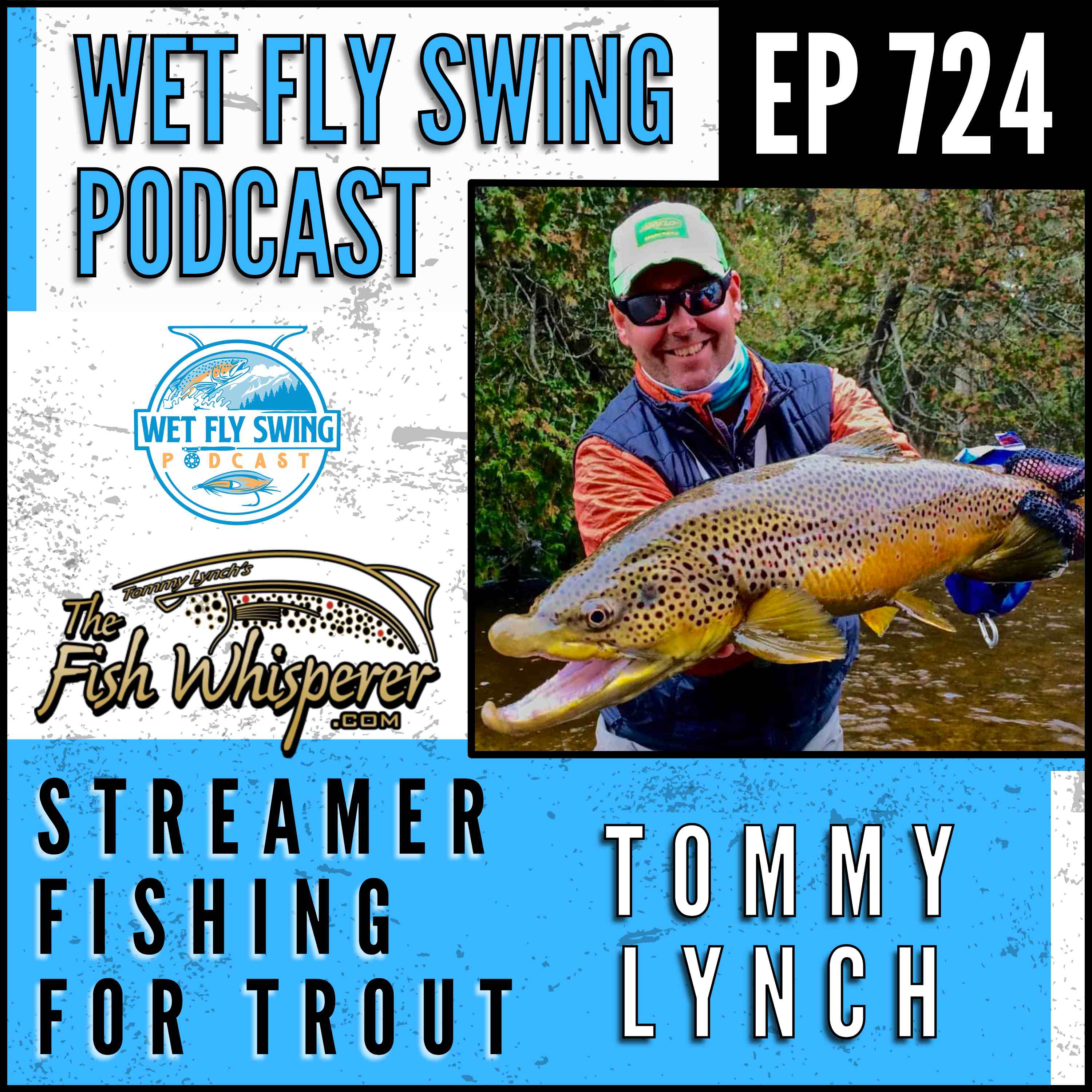
Streamer Fishing for Trout with Tommy Lynch
Description
#724 Show Notes: https://wetflyswing.com/724
Presented by: Drifthook Fly Fishing
Sponsors: https://wetflyswing.com/sponsors
Streamer fishing for trout is all about movement, and few people understand it better than Tommy Lynch. In this episode, Tommy breaks down his four-step framework for fishing streamers, explains the difference between suicide fish and would-be predators, and shares why most anglers aren't getting the full potential out of their sink tips. If you're looking to up your game on big browns in small creeks, this episode is packed with tips you won't want to miss.
Episode Chapters with Tommy Lynch on Streamer Fishing for Trout
How to Fish Streamers Like a Jerkbait for Big Browns
Streamer fishing isn't just about casting and stripping. It's about making your fly move like a wounded baitfish—something trout can't resist. Tommy explains that the best way to do this is by mimicking the action of a jerkbait, specifically the black and gold No. 13 Rapala, which has been deadly on brown trout for years.
Four Key Techniques for Streamer Action:
- Down Swat - A true jerkbait-style movement where you "swat" the fly through the water to make it dart and dig before swimming out.
- Straight Strip - A steady retrieve with small breaks in rhythm, mimicking an injured baitfish.
- Proper Placement – You want the fly close enough for the trout to see and react but not so close that it spooks them.
- Reading the Fish – Watch for slight movements—if a trout shifts left or right, it's game on. The Two Types of Trout: Suicide Fish vs. Would-be Predators
When streamer fishing, Tommy breaks down trout into two categories: suicide fish and would-be predators. Understanding these can help you dial in your approach.
Suicide Fish These trout sit tight against structure, waiting to ambush anything that moves. They don't need much convincing—just proof of life. A quick down swat and pause can be enough to trigger a strike. Key to this is using slack to let your sink tip actually sink. Just casting and waiting won't cut it. You need to shake out line or reach toward the fly to help it drop.
Would-Be Predators These fish aren't actively hunting but can be triggered into striking. They often hang in slower water, watching for an easy meal. A straight strip in the middle of the retrieve keeps their interest, but the real trick is slowing down near the end. That pause can be enough to flip a passive trout into attack mode.
Whether you're targeting an aggressive fish or coaxing a hesitant one, understanding their behavior is key. And remember—just because you bought a sink tip doesn't mean it's sinking. Use it right, or you're just dragging it through the water.
Essential Streamers for Trout Fishing
When it comes to streamers, Tommy keeps a variety on hand. From classic muddler minnows to modern swim flies, each has a purpose.
Go-To Patterns
- Muddler Minnow – A timeless fly, perfect for imitating minnows, especially during fry season.
- Sex Dungeon – A bigger, articulated fly that moves aggressively in the water.
- Blane's Game Changer – A segmented fly with a lifelike swimming action, great in slow water.
- Great Lakes Deceiver – A swim fly with a broad, gliding motion, ideal for provoking strikes.
Matching the hatch is key. Some days, trout want small minnows on a five-weight. Other days, they'll chase down a big meal. Adjusting your presentation—whether it's a slow jerk or a fast retrieve—can make all the difference.
Small Stream Brown Trout: Stealth and Strategy
Fishing small creeks for brown trout is a whole different game. Tight water, overhanging trees, and spooky fish mak