Episode Details
Back to Episodes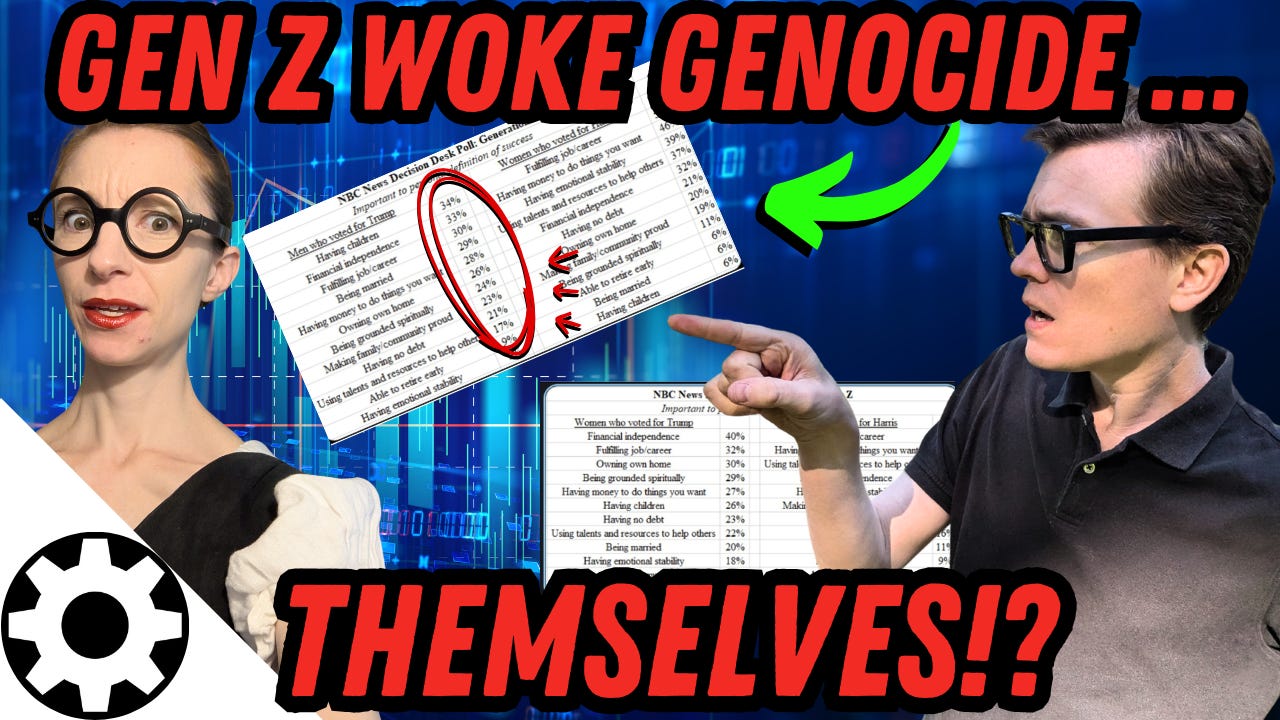
The Statistical Divide In How We Perceive Life
Description
In this episode, Malcolm and Simone dive deep into a fascinating NBC study that explores the stark differences in values, priorities, and life choices among Americans based on political affiliation and gender. They discuss why fertility rates are diverging so dramatically between groups, what men and women who voted for Trump or Harris value most in life, the impact of career, financial independence, and family on personal fulfillment, how cultural and generational shifts are shaping the future of America, the role of marriage, debt, and emotional stability in modern society, and surprising insights from pop culture and personal anecdotes. Listen in for a thought-provoking conversation about the future of the country, the challenges of demographic change, and what it means to live a successful life today. Don’t forget to like, comment, and subscribe for more in-depth discussions!
Episode Transcript:
Malcolm Collins: [00:00:00] Hello Simone. I am excited to be here with you today.
Today we are going to be discussing. A, a fascinating study that came out from NBC that was looking at what was important to men who voted for Trump versus Kamala Harris, and women who voted for Trump versus Kamala Harris. And what you can see is. People who vote for Kamala Harris are not gonna play a big role in our country’s future.
No. They’re basically deleting themselves from the population because while there had been differences in the past in fertility rates within these groups, it is exploding. So I wanna talk about these preferences. I wanna talk about why they’re different. And to give you an idea of how different they are.
Men who voted for Trump when they were ranking like important for their definition of like success. Literally the top thing. The number one thing was having children.
Simone Collins: Mm-hmm.
Malcolm Collins: Women who voted for Harris. Literally the last thing of importance to them was [00:01:00] having children. Which only, yeah, only
Simone Collins: only 6% of
Malcolm Collins: women voted for Harris, which by the way, tied with being married.
Yeah. And not a lot of interest. People retire early, so like financial stability is the other thing they don’t care about. My God. So thoughts on like the, the, that, that number before we go further so that, because a lot of the numbers that I’ve looked at before show like Democrat and Republicans being like 78% to like a hundred percent different in terms of fertility rates, but this would suggest that it’s dramatically higher than that for this next generation.
Simone Collins: Yeah, this doesn’t look good. I, I’m used to seeing much more moderated results from surveys like these, you know, like, oh, they’re, they’re meaningfully different, but this is violently different.
Malcolm Collins: Yeah.
Simone Collins: And I think it’s
Malcolm Collins: because these two groups are becoming more violently different from each other.
Simone Collins: Yeah,
Malcolm Collins: absolutely.
In terms of values.
Simone Collins: Absolutely. It is also sobering to me, however, just how low priority having children is for [00:02:00] anyone. That it’s
Malcolm Collins: literally the top priority for men who voted for Trump.
Simone Collins: Yes. Except everyone else, it, it’s not at the top. Yeah. So let’s, let’s talk about
Malcolm Collins: this. Let’s
Simone Collins: talk about women who vote Trump, women who voted for Trump.
It’s right in the middle of the list of, of things presented, although 26% still want to have children. But that’s Malcolm. That’s 26%. That’s a quarter. Y