Episode Details
Back to Episodes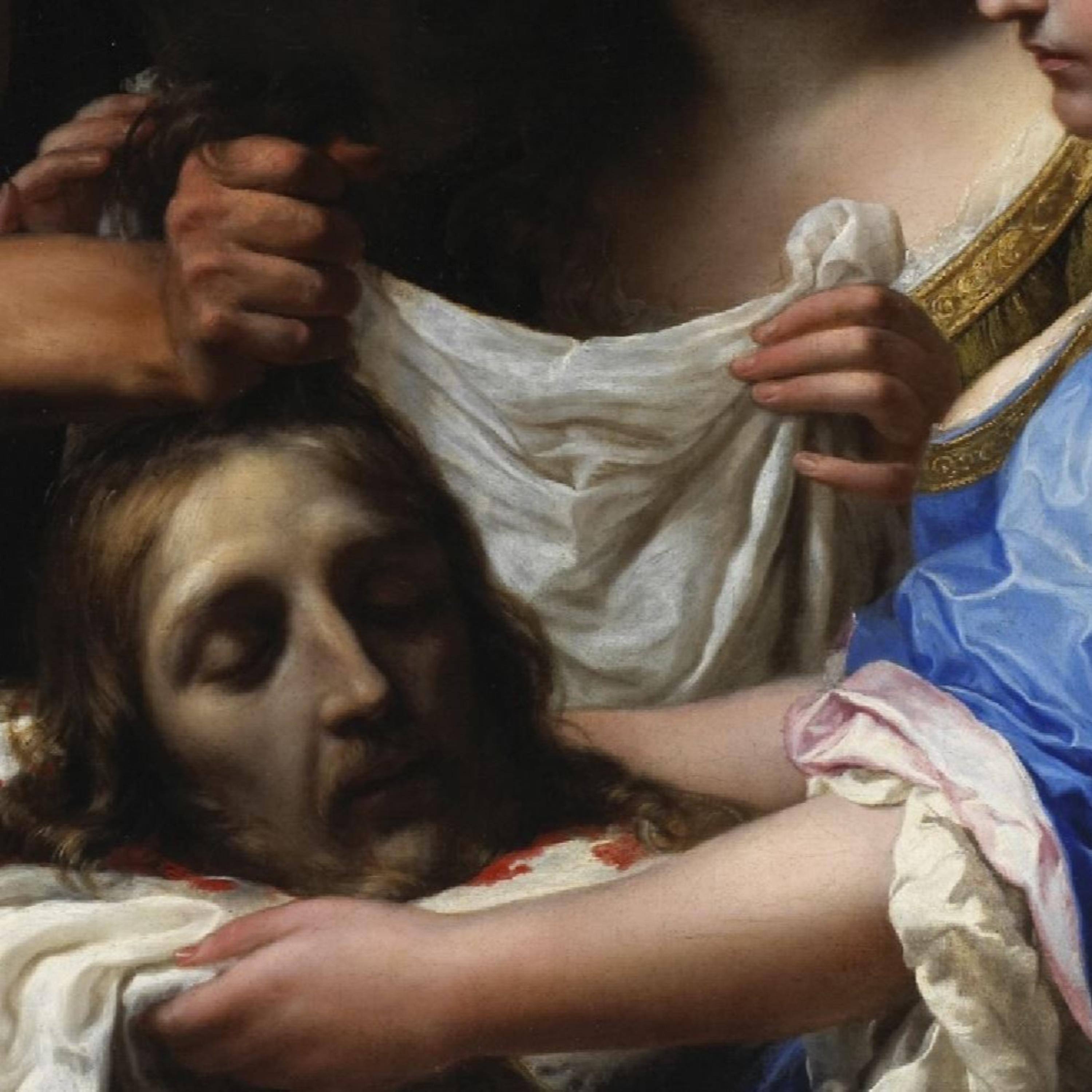
Dom Guéranger's Liturgical Year: August 29 - The Decollation (Beheading) of St. John the Baptist
Description
St. John the Baptist, the last and greatest of the prophets, was praised by Christ Himself as the one “than whom none greater has arisen among those born of women,” because he was uniquely chosen to prepare the way for the Messiah, to call Israel to repentance, and to point to Jesus as the “Lamb of God.” His greatness lay not in miracles or earthly honor, but in his prophetic fidelity, humility, and martyrdom for truth; yet Christ adds that “the least in the kingdom of heaven is greater than he,” showing that the grace of divine sonship through the New Covenant surpasses even John’s exalted mission. In this way, John stands as the bridge between the Old and the New, the shining lamp who bore witness to the Light, and the model of humility who declared, “He must increase, but I must decrease.”Dom Prosper Guéranger's The Liturgical Year, a monumental fifteen-volume work, offers a comprehensive exploration of the Catholic Church’s liturgical calendar, guiding readers through the spiritual and historical richness of the Church’s worship. Written in the 19th century, the series provides daily meditations, historical context, and liturgical texts for the Mass and Divine Office, covering the entire cycle of seasons—Advent, Christmas, Lent, Passiontide, Easter, and the Time after Pentecost—as well as feast days of saints. Guéranger’s work, rooted in a deep contemplative spirit, aims to immerse the faithful in the Church’s prayerful life, emphasizing the unity of faith through the axiom lex orandi, lex credendi ("the law of prayer is the law of belief"), and remains a cherished resource for Catholics seeking to deepen their spiritual lives. Dom Prosper Guéranger (1805–1875) was a French Benedictine monk, liturgical scholar, and founder of the Solesmes Abbey, renowned for his pivotal role in reviving the Benedictine Order in France and restoring the Roman liturgy after the disruptions of the French Revolution. Born in Sablé-sur-Sarthe, he entered the priesthood in 1827 and, inspired by a vision to restore monastic life, reestablished the Benedictine community at Solesmes in 1833, becoming its first abbot. A staunch defender of ultramontanism and traditional Catholic worship, he also championed the revival of Gregorian chant, significantly influencing the liturgical renewal