Episode Details
Back to Episodes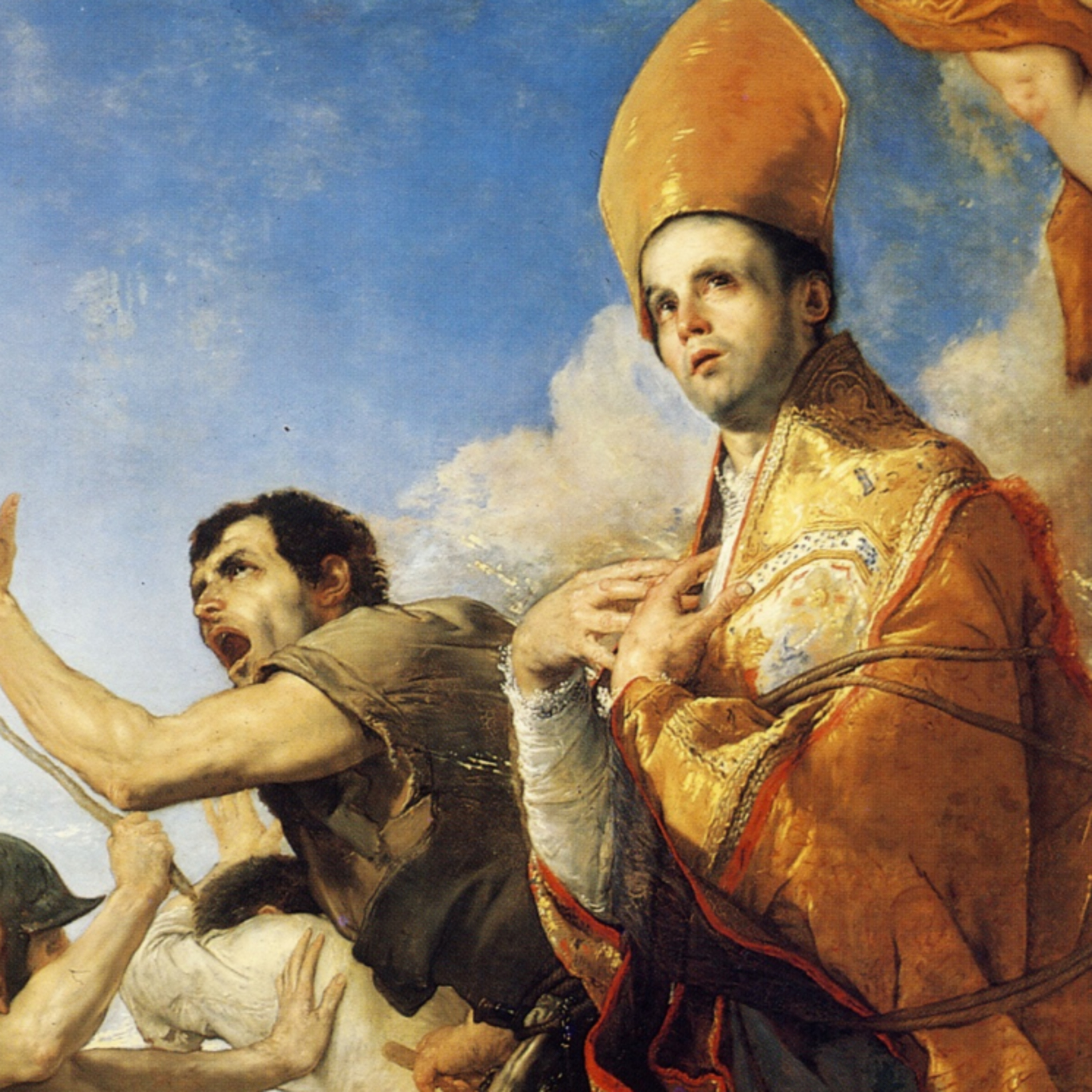
Dom Guéranger's Liturgical Year: September 19 - St. Januarius and companions
Description
St. Januarius, also known as San Gennaro, was a 3rd–4th century bishop of Benevento in southern Italy, venerated as a martyr and one of the most beloved saints of Naples. According to tradition, he was arrested during the persecution of Christians under Emperor Diocletian and, after enduring imprisonment and attempted execution by wild beasts, was ultimately beheaded around 305 AD. His fame rests not only on his martyrdom but also on the miracle of the liquefaction of his blood, preserved in a vial in Naples Cathedral, which reportedly liquefies on certain feast days, seen by the faithful as a sign of his ongoing intercession and protection of the city. His cult spread widely throughout Italy and beyond, and his feast is celebrated on September 19 with great devotion, especially in Naples where he remains the city’s principal patron saint.Dom Prosper Guéranger's The Liturgical Year, a monumental fifteen-volume work, offers a comprehensive exploration of the Catholic Church’s liturgical calendar, guiding readers through the spiritual and historical richness of the Church’s worship. Written in the 19th century, the series provides daily meditations, historical context, and liturgical texts for the Mass and Divine Office, covering the entire cycle of seasons—Advent, Christmas, Lent, Passiontide, Easter, and the Time after Pentecost—as well as feast days of saints. Guéranger’s work, rooted in a deep contemplative spirit, aims to immerse the faithful in the Church’s prayerful life, emphasizing the unity of faith through the axiom lex orandi, lex credendi ("the law of prayer is the law of belief"), and remains a cherished resource for Catholics seeking to deepen their spiritual lives. Dom Prosper Guéranger (1805–1875) was a French Benedictine monk, liturgical scholar, and founder of the Solesmes Abbey, renowned for his pivotal role in reviving the Benedictine Order in France and restoring the Roman liturgy after the disruptions of the French Revolution. Born in Sablé-sur-Sarthe, he entered the priesthood in 1827 and, inspired by a vision to restore monastic life, reestablished the Benedictine community at Solesmes in 1833, becoming its first abbot. A staunch defender of ultramontanism and traditional Catholic worship, he also championed the revival of Gregorian chant, significantly influencing the liturgical renewal movement.