Episode Details
Back to Episodes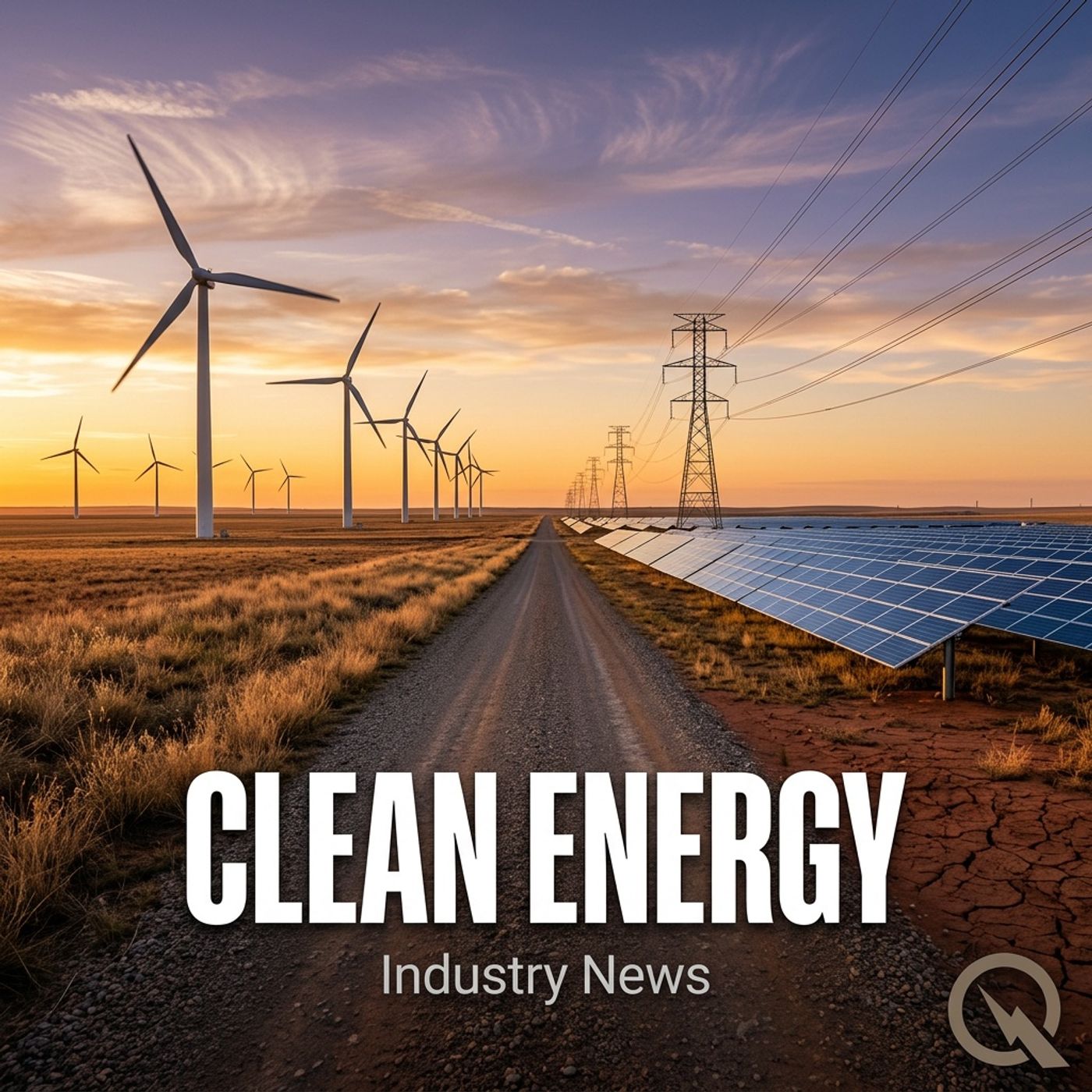
Clean Energy's Global Transition: Cost Drops, Policy Shifts, and Emerging Leaders
Published 7 months, 2 weeks ago
Description
The global clean energy industry is in a period of rapid transition and intensified competition, marked by historic deals, shifting regulations, and accelerating technological progress. In the past 48 hours, China has continued to dominate global clean energy markets, driving down technology costs by up to 90 percent since 2010, particularly for solar panels, wind turbines, and battery storage. This cost reduction is enabling wider renewable energy adoption in developing nations, although China remains the world’s top coal consumer.
On September 9th, Ethiopia launched Africa’s largest hydroelectric project, the $5 billion Grand Ethiopian Renaissance Dam, adding 5150 megawatts to the continent’s renewable capacity. Meanwhile, multilateral development banks have invested a record $137 billion in climate projects over the past year, most of it in green energy for the Global South.
In the United States, recent policy changes have impacted clean energy momentum. The rollback of electric vehicle incentives has caused a noticeable slowdown in EV investment and may result in higher future emissions and weaker competitiveness. However, clean energy financing remains strong, with tax credit monetization forecast to hit up to $60 billion in 2025, up from $52 billion last year. Community solar has seen major deals, and solar photovoltaics accounted for over a third of newly generated tax credits in the first half of this year.
Europe is facing a different challenge: despite new energy investments, EU energy prices remain 40 to 70 percent above pre-crisis levels, putting pressure on consumers and slowing progress in the energy transition. To secure supply and support decarbonization, the EU has signed a new $750 billion transatlantic energy pact with the United States, which is reshaping LNG and hydrogen markets and driving long-term investment by firms like ExxonMobil.
Industry leaders are aggressively responding to challenges: Pivot Energy won the 2025 Green Power Leadership Award for advancing community solar, while Consumers Energy sold its entire hydro dam portfolio to focus on long-term supply agreements. Community-driven programs like Silicon Valley Clean Energy are returning $33 million in bill credits to customers, encouraging clean electricity adoption.
Comparing to previous quarters, the current period is defined by record climate investment, deepening cross-border partnerships, cost drops in renewable tech, and rising regulatory complexity. Persistent high input costs, shifting incentives, and the race to decarbonize continue to challenge incumbents, while agile firms emphasizing community benefits and innovation are emerging as new leaders.
For great deals today, check out https://amzn.to/44ci4hQ
This content was created in partnership and with the help of Artificial Intelligence AI
On September 9th, Ethiopia launched Africa’s largest hydroelectric project, the $5 billion Grand Ethiopian Renaissance Dam, adding 5150 megawatts to the continent’s renewable capacity. Meanwhile, multilateral development banks have invested a record $137 billion in climate projects over the past year, most of it in green energy for the Global South.
In the United States, recent policy changes have impacted clean energy momentum. The rollback of electric vehicle incentives has caused a noticeable slowdown in EV investment and may result in higher future emissions and weaker competitiveness. However, clean energy financing remains strong, with tax credit monetization forecast to hit up to $60 billion in 2025, up from $52 billion last year. Community solar has seen major deals, and solar photovoltaics accounted for over a third of newly generated tax credits in the first half of this year.
Europe is facing a different challenge: despite new energy investments, EU energy prices remain 40 to 70 percent above pre-crisis levels, putting pressure on consumers and slowing progress in the energy transition. To secure supply and support decarbonization, the EU has signed a new $750 billion transatlantic energy pact with the United States, which is reshaping LNG and hydrogen markets and driving long-term investment by firms like ExxonMobil.
Industry leaders are aggressively responding to challenges: Pivot Energy won the 2025 Green Power Leadership Award for advancing community solar, while Consumers Energy sold its entire hydro dam portfolio to focus on long-term supply agreements. Community-driven programs like Silicon Valley Clean Energy are returning $33 million in bill credits to customers, encouraging clean electricity adoption.
Comparing to previous quarters, the current period is defined by record climate investment, deepening cross-border partnerships, cost drops in renewable tech, and rising regulatory complexity. Persistent high input costs, shifting incentives, and the race to decarbonize continue to challenge incumbents, while agile firms emphasizing community benefits and innovation are emerging as new leaders.
For great deals today, check out https://amzn.to/44ci4hQ
This content was created in partnership and with the help of Artificial Intelligence AI