Episode Details
Back to Episodes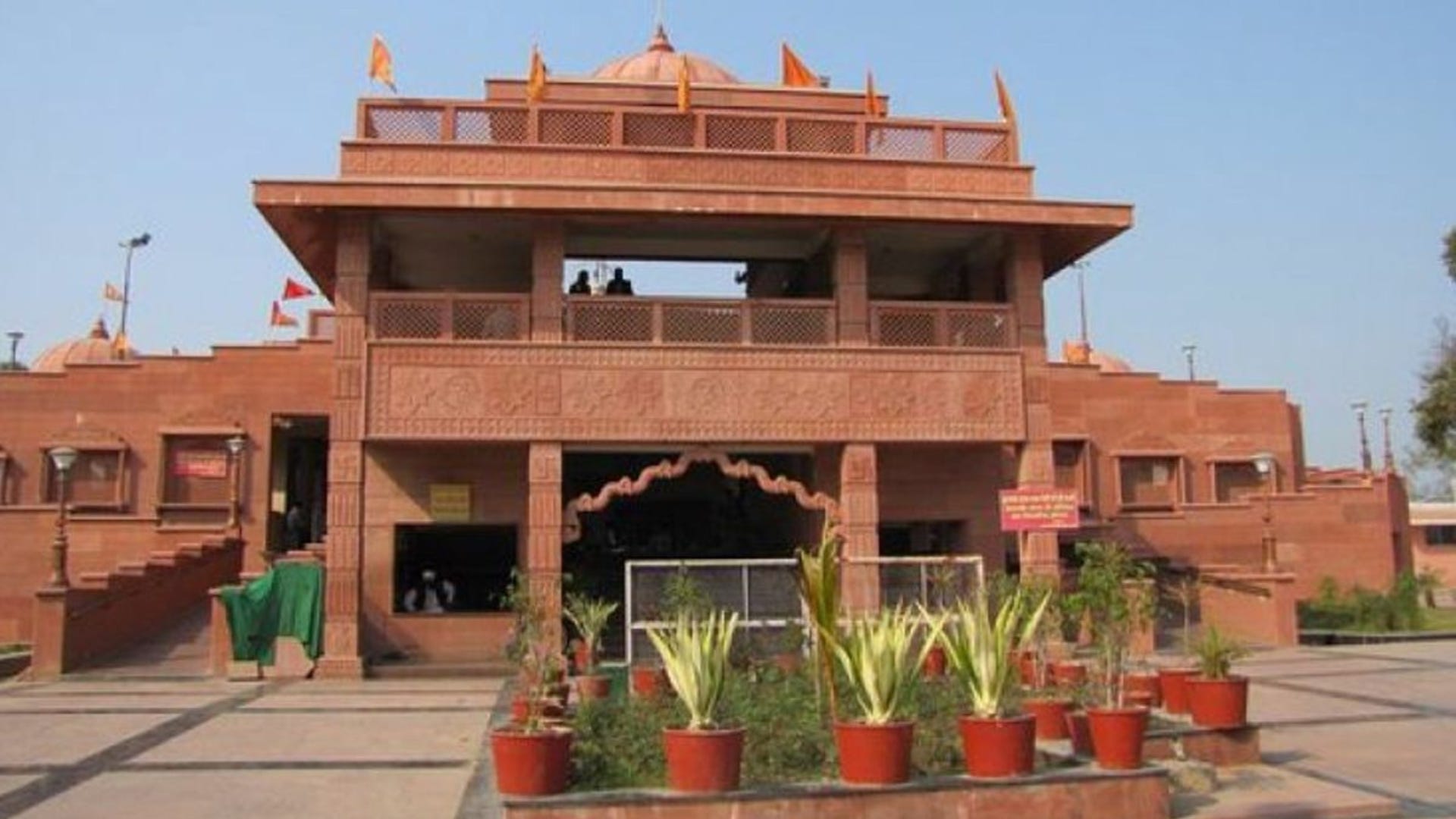
Mangalnath Temple: Pujas for Mangal Doṣa, Navagraha Śānti, and More
Description
Perched gracefully on a hillock beside the sacred Shipra River in Ujjain, Madhya Pradesh, the Mangalnath Temple is one of India’s most spiritually significant shrines. Revered as the birthplace of the planet Mars (Mangala) according to the Matsya Purāṇa, the temple is dedicated to Lord Shiva in his form as Mangalnath Mahadev. For centuries, devotees, seekers, and even astronomers have flocked here to experience its unique blend of myth, science, and spirituality.
Origins, Legends, and Historical Roots
Purāṇic Connections
The mythology of Mangalnath Temple goes back to the age of the Purāṇas. It is believed that when Lord Shiva battled the demon Andhakāsura, a drop of his sweat fell on earth at this very spot, manifesting as a powerful śivaliṅga. Because of its fiery association with Mars - symbolizing energy, courage, and transformative strength - the shrine became known as Mangalnath.
The Matsya Purāṇa specifically names this site as the birthplace of Mangala (Mars), further cementing its importance in both astrological and religious traditions.
Historical Reconstruction
Although its antiquity is unquestionable, the temple has undergone restorations over time. The Scindia rulers of the Maratha era are credited with rebuilding and preserving the structure, ensuring that its spiritual essence continues to thrive even today. This legacy intertwines royal patronage with deep-rooted Shaiva devotion, reflecting the temple’s living heritage.
Ujjain - A City of Shiva and the Stars
Ujjain itself is considered one of the seven sacred Moksha-puris of Hinduism, home to the Mahakaleshwar Jyotirlinga and countless shrines. Historically, it was also a global center of astronomy and astrology, known for the 18th-century Vedh Shala/Jantar Mantar observatory.
Mangalnath Temple sits just a few kilometers from Ujjain Junction railway station, away from the city bustle. Its location on a breezy hillock provides not only panoramic views of the Shipra but also a historically noted clear sight of the planet Mars, making it a bridge between the celestial and the terrestrial.
Architecture and Atmosphere
The temple, built largely in red sandstone, houses the Mangalnath Mahadev liṅga in the sanctum sanctorum. The precincts include subsidiary shrines and broad river-facing ghats. Pilgrims describe the experience as both solemn and uplifting, with the soft sounds of mantras and the Shipra’s flow reinforcing its tranquil character.
Unlike many crowded shrines, Mangalnath still offers a relatively peaceful setting for meditation, reflection, and ritual worship, particularly in the early morning hours.
Rituals, Pujas, and Remedies for Doṣas
Mangalnath Temple is considered the epicenter for planetary remedies, especially for issues related to Mars in a person’s horoscope.
Common Rituals and Pujas
* Mangal Doṣa Nivāraṇ Pūjā / Mangal Śānti:Performed to pacify the malefic effects of Mars, this ritual is especially important for those facing difficulties related to marriage, conflicts, or delays in life. Tuesdays, the day of Mars, are considered highly auspicious for this ceremony.
* Bhāt (Bhaat) Pūjā:A unique local ritual involving offerings of cooked rice as part of prayers for prosperity, peace, and planetary harmony.
* Navagraha Śānti:A comprehensive ritual addressing all nine celestial influences (grahas), often recommended alongside Mangal-specific rites for balanced planetary blessings.
* Rudrābhiṣek and Mahāmṛtyuñjaya Jāp:These Shaiva ceremonies focus on Lord Shiva’s protective aspects, invoking health, peace of mind, and spiritual st