Episode Details
Back to Episodes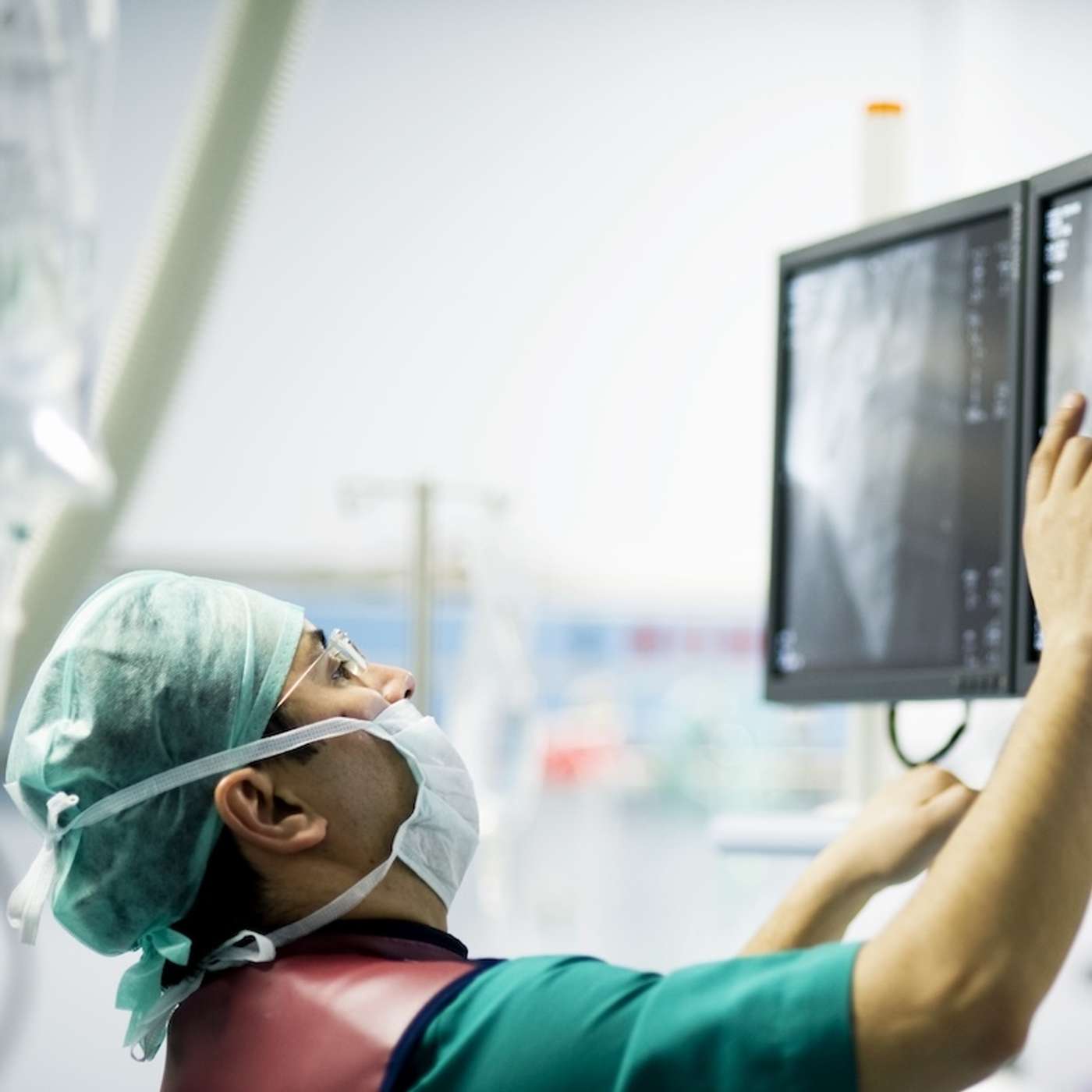
Cardiologists and a New Enemy: Evolving Tools of the Trade
Description
“For every threat that rises against us, humanity answers with a greater invention. Show us the enemy, and we will forge the remedy.”
For much of modern cardiology, in its battle against coronary artery disease—one of mankind’s greatest threats—the “enemy” seemed clear. When I trained, the diagnostic armoury was focused on accurately identifying flow-limiting narrowing of one or more coronary arteries: the 3–4 mm vessels supplying the heart with oxygenated blood. Prognosis was measured by the number of occluded arteries, the degree of stenosis, left ventricular ejection fraction, blood pressure, and cholesterol profile.
Diabetes mellitus was acknowledged as a risk factor, but it was largely regarded as a separate, niche condition—managed primarily by GPs and endocrinologists. Invasive coronary angiography was the gold standard, the reference point against which all non-invasive tests—such as the stress ECG or nuclear cardiology scans—were judged. A patient’s future could be read from the arteries illuminated on that cath lab screen: a narrowing meant risk; an occlusion demanded action.
Yet in the last decade, a profound paradigm shift has unsettled these foundations—and in some respects, turned them on their head.