Episode Details
Back to Episodes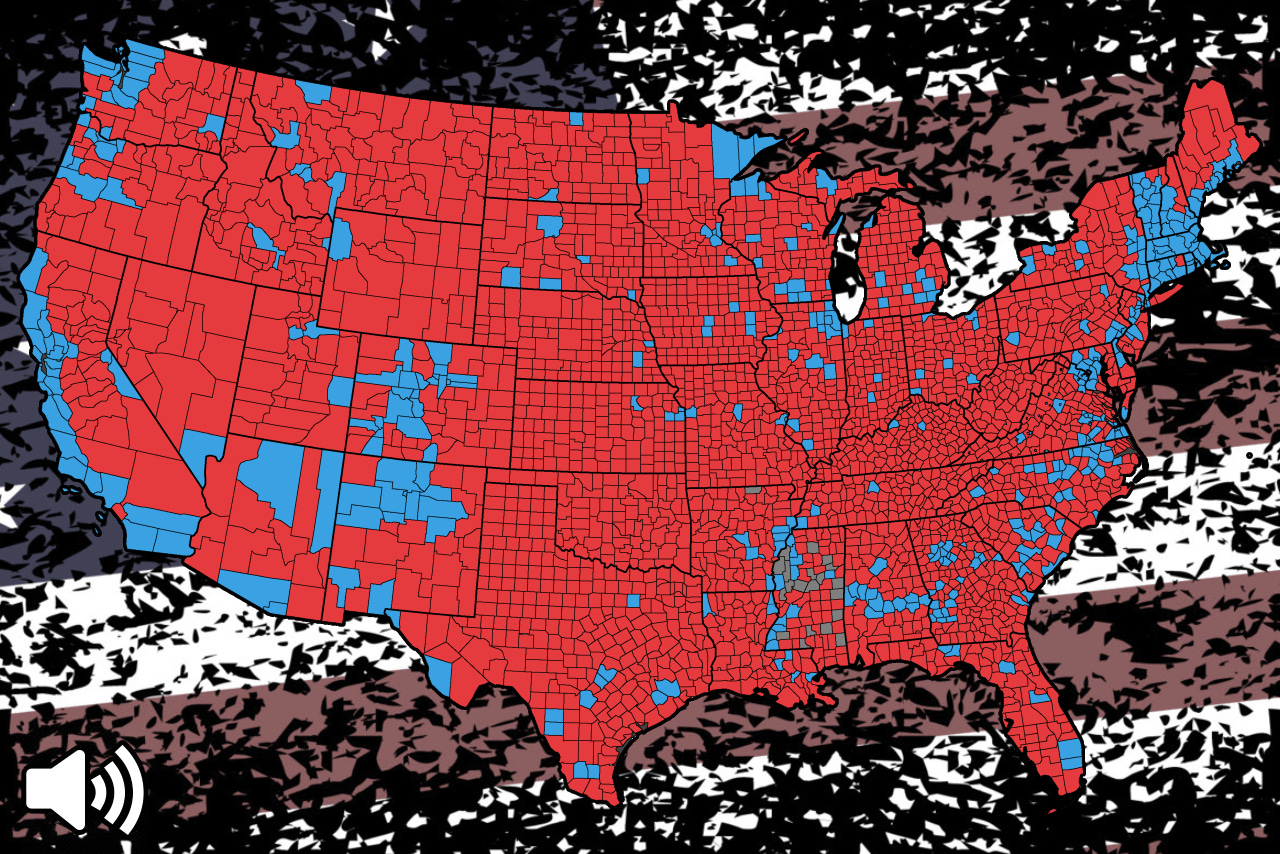
The Dangers of Hyper-Partisan Gerrymandering & Political Tribalism
Description
In 1796, George Washington warned in his Farewell Address that the rise of political factions could tear apart the young Republic, predicting that "the spirit of party" would lead to "cunning, ambitious, and unprincipled men" manipulating the system for power, fostering division and eroding trust in governance. His words ring alarmingly true today as hyper-partisan gerrymandering, particularly by the Left in states like California, New York, Illinois, and Maryland, threatens the democratic process. While both political extremes engage in this practice, the aggressive tactics of leftist-led redistricting in 2025 exemplify a dangerous escalation, undermining fair representation and fueling political tribalism.
Gerrymandering, the manipulation of electoral district boundaries to favor one party, distorts the will of the electorate. In 2025, California’s Democrat leadership, under Governor Gavin Newsom, has pushed a brazen plan to redraw the state’s 52 congressional districts to secure at least five additional Democrat seats. Newsom frames this as a counter to Republican gerrymandering in states like Texas, claiming it protects democracy.
Yet, this tit-for-tat escalation, enabled by a legislative package set for a November 2025 special election, risks entrenching Democrat dominance regardless of voter sentiment. The proposal’s loophole—allowing activation if any state, including blue states like Illinois, redistricts—reveals its true intent: power consolidation, not fairness.
New York’s Governor Kathy Hochul has signaled a similar willingness to “fight fire with fire,” preparing to counter Republican redistricting with aggressive map-drawing to favor Democrats. In Illinois, Democrats, who already dominate the state legislature, are poised to further manipulate congressional and state legislative maps to cement their grip, building on past successes where they secured 82% of congressional seats despite winning only 59% of the 2020 presidential vote. Maryland’s infamous “praying mantis” 3rd Congressional District, a contorted map designed to favor Democrats, remains a stark example of how far partisans will go to rig elections, with plans in 2025 to double down on such tactics.
These efforts extend beyond Congress to state legislatures, where gerrymandering entrenches party control over local policy. In California, Democrats’ supermajority in the state legislature faces little challenge due to carefully crafted districts that pack Republican voters into uncompetitive zones. Illinois and Maryland follow suit, with Democrat-drawn maps diluting opposition votes through “packing” and “cracking”—concentrating rival voters into a few districts or spreading them thinly across many to minimize their influence. This manipulation ensures that state-level policies, from education to taxation, reflect the ruling party’s agenda rather than a balanced representation of the electorate.
Both parties are guilty of gerrymandering, but the Left’s 2025 maneuvers stand out for their audacity and scale. Republicans in Texas and Florida have drawn maps to secure marginally unearned seats, yet Democrats’ response in Blue states is not defensive but opportunistic, exploiting their control to maximize power. This cycle of mutually assured gerrymandering, as described by scholars, risks a “race to the bottom” where competitive districts vanish, and elections become foregone conclusions. The result is a Congress and state legislatures that cat