Episode Details
Back to Episodes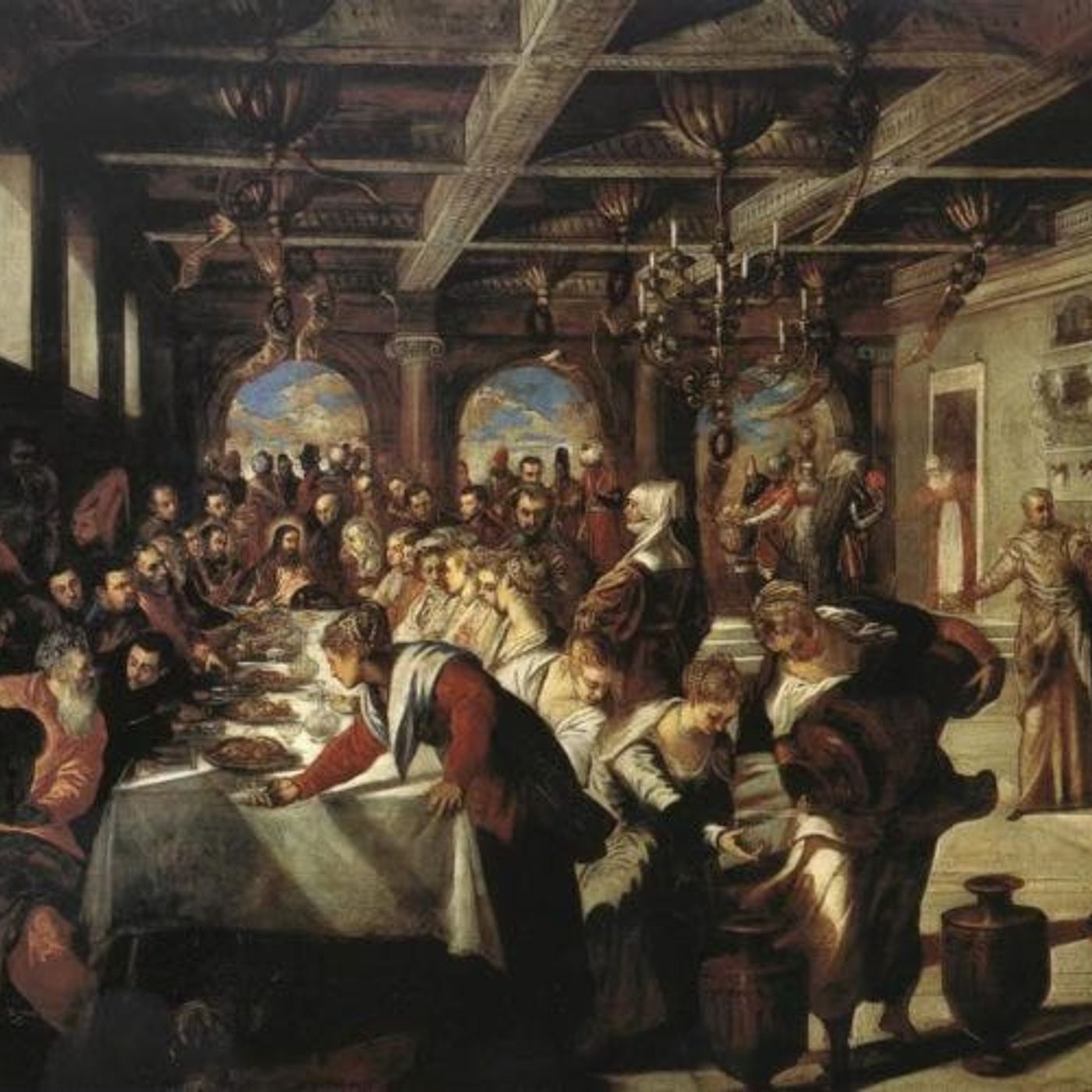
The Ascent of Humility
Published 1 year, 2 months ago
Description
The Ascent of HumilityI begin my sermon today with a quotation from the Rule of St Benedict. St Benedict said the following to the monks with whom he shared a common religious life:And so, my brothers, if we wish to reach the highest peak of humility and if we wish to attain quickly that heavenly exaltation towards which we climb by means of the humility of this life, we must set up for our ascent the ladder that Jacob saw in his dream, on which the angels appeared to him, descending and ascending. For we should surely interpret their descent and ascent as referring to the descent we make by self-exaltation and the ascent by humility. That ladder is our life in this world which God raises to heaven if we are humble in heart.“The descent we make by self-exaltation…”We find ourselves today, once again, in the midst of a story about a confrontation between Jesus and the religious leaders of the day. This time, we see Christ dining at the house of a ruler of the Pharisees. And after once again healing on the Sabbath Day (an incident which is skipped over in our reading) and observing the Pharisees taking the seats of honour, Jesus tells a parable:When you go to a wedding feast, don’t choose the places of honour because someone more important than you might show up. Then with shame you will have to occupy a lower seat.But instead choose the lower seat first, so that, if a better seat becomes available, you might be invited by your host to move up higher.Now, there is of course a truism about life here but there is also a loaded subtext. For Jesus is in fact using this parable to critique the religious establishment of the day.I spoke last week about the legalistic spirit of the religious rulers of the time. Here we see another aspect of this legalism which is spiritual pride. The Pharisees chose the places of honour, quite literally, when they dined at table. But this spoke of their more general desire for religious exaltation.What specifically were the Pharisees seeking? We can find an answer in the words of Christ elsewhere in the Gospels. In one other place in Luke, for example, he says, “Woe to you Pharisees! For you love the best seat in the synagogues and greetings in the market places.” And in the Gospel of Matthew, “They do all their deeds to be seen by others. For they make their phylacteries broad and their fringes long, and they love the places of honour at feasts and the best seats in the synagogue”.Perhaps the most famous example we might give is from the Sermon on the Mount: “Beware of practicing your righteousness before others to be seen by them…when you give to the needy, sound no trumpet before you, as the hypocrites do in the synagogues and in the streets, that they may be praised by others…when you pray, you must not be like the hypocrites. For they love to stand and pray in the synagogues, and at the street corners, that they may be seen by others.”In other words, the Pharisees and hypocrites of the time were using their religious observances and statuses to be exalted in the eyes of others. They were doing what they were for a show, so that others might think highly of them and praise them.Consider also one further feature of Jesus’ parable: “When you are invited by someone to a wedding feast, do not sit down in a place of honour, lest someone more distinguished than you be invited by him, and he who invited you both will come and say to you, ‘Give your place to this person’”.Now, this is exactly what had happened. Spiritually speaking, the Pharisees and religious rulers had arrogantly taken the highest place and when someone more distinguished arrived they were unwilling to step aside and let him take the glory that was rightfully his. That distinguished guest was of course Jesus himself, the Messiah of Israel. So arrogant and hard of heart has these Pharisees become that they had taken even the seat of the Messiah and would not yield when he arrived.Now, before we move on too quickly, let us examine our hear