Episode Details
Back to Episodes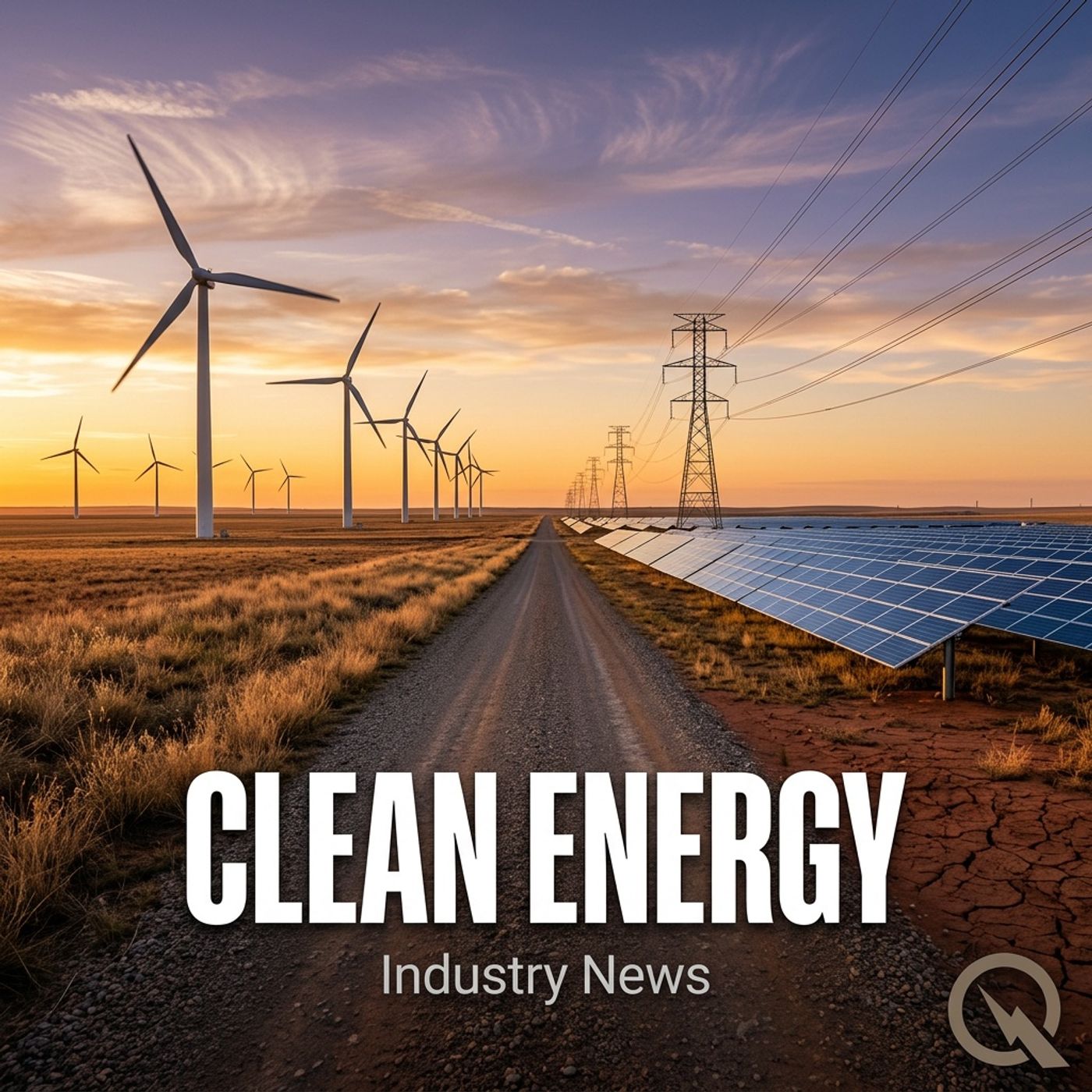
Renewable Energy Surge Breaks Records: Solar, Battery Storage Lead the Charge
Published 8 months ago
Description
The clean energy industry is experiencing a record-breaking surge in capacity additions in the United States over the past 48 hours, with solar and battery storage leading the charge. Developers plan to bring 64 gigawatts of new electricity generation online in 2025, the highest total ever recorded and surpassing the previous record set in 2002. Solar alone is expected to contribute more than half of this figure, with 12 gigawatts already added and another 21 gigawatts planned for the second half of the year. Battery storage will add 18 gigawatts, outpacing previous years and driven by strong activity in Texas, Arizona, and California. Texas now leads nationwide in new utility-scale solar installations, adding 3.2 gigawatts so far and aiming for nearly 10 gigawatts more this year, overtaking California as the top solar state.
Major market deals are also shaping the landscape. On August 26, FTC Solar announced a one-gigawatt tracker supply agreement with Levona Renewables. The deal integrates advanced hardware and software for three utility-scale projects in Texas, enhancing energy yield by 15 percent under challenging conditions. This move signals a broader industry shift from simple hardware supply to strategic, technology-driven partnerships capable of delivering long-term value.
At the regulatory level, the IRS released new guidelines on August 23, adjusting the Clean Electricity Production Credit for inflation under Section 45Y. The base credit was updated to 0.6 cents per kilowatt-hour, with the higher alternative credit set at 3 cents per kilowatt-hour for projects meeting prevailing wage and apprenticeship standards. These updates reinforce the government’s push for good-paying jobs and investor confidence in clean energy growth.
Internationally, Japan and Bill Gates’ Breakthrough Energy announced a biomass and hydrogen development partnership on August 24, aiming to help Japan meet its net-zero targets by 2050 and reduce reliance on fossil fuel imports.
In Canada, CIMA plus and Keywest Projects joined forces to deliver advanced energy solutions, pooling expertise on carbon capture, hydrogen, biofuels, and project execution as a direct response to the evolving energy sector.
Consumer and corporate demand for clean energy continues to accelerate, underpinned by simplified renewable energy certificate platforms and new product launches targeting smaller brands. While some fossil fuel plant retirements have stalled, momentum is rapidly shifting to renewables and storage. Compared to previous years, today’s clean energy industry is marked by unprecedented investment, advanced technology integration, and expanding international partnerships, setting a new standard for growth and innovation.
For great deals today, check out https://amzn.to/44ci4hQ
This content was created in partnership and with the help of Artificial Intelligence AI
Major market deals are also shaping the landscape. On August 26, FTC Solar announced a one-gigawatt tracker supply agreement with Levona Renewables. The deal integrates advanced hardware and software for three utility-scale projects in Texas, enhancing energy yield by 15 percent under challenging conditions. This move signals a broader industry shift from simple hardware supply to strategic, technology-driven partnerships capable of delivering long-term value.
At the regulatory level, the IRS released new guidelines on August 23, adjusting the Clean Electricity Production Credit for inflation under Section 45Y. The base credit was updated to 0.6 cents per kilowatt-hour, with the higher alternative credit set at 3 cents per kilowatt-hour for projects meeting prevailing wage and apprenticeship standards. These updates reinforce the government’s push for good-paying jobs and investor confidence in clean energy growth.
Internationally, Japan and Bill Gates’ Breakthrough Energy announced a biomass and hydrogen development partnership on August 24, aiming to help Japan meet its net-zero targets by 2050 and reduce reliance on fossil fuel imports.
In Canada, CIMA plus and Keywest Projects joined forces to deliver advanced energy solutions, pooling expertise on carbon capture, hydrogen, biofuels, and project execution as a direct response to the evolving energy sector.
Consumer and corporate demand for clean energy continues to accelerate, underpinned by simplified renewable energy certificate platforms and new product launches targeting smaller brands. While some fossil fuel plant retirements have stalled, momentum is rapidly shifting to renewables and storage. Compared to previous years, today’s clean energy industry is marked by unprecedented investment, advanced technology integration, and expanding international partnerships, setting a new standard for growth and innovation.
For great deals today, check out https://amzn.to/44ci4hQ
This content was created in partnership and with the help of Artificial Intelligence AI