Episode Details
Back to Episodes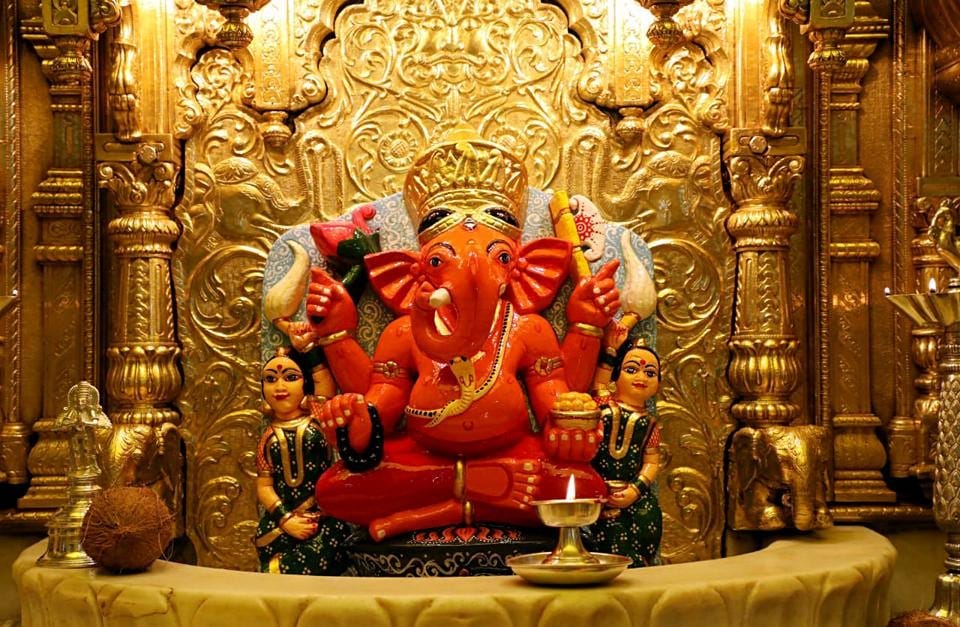
10 Most Famous & Powerful Ganesha Temples in India
Description
Ganesh Chaturthi is one of the most awaited festivals in India, celebrated with grandeur across states. While homes welcome clay idols of Lord Ganesha, millions of devotees also throng ancient and powerful temples dedicated to Him. Each of these temples has a unique story, rituals that have been followed for centuries, and local traditions that make them special. With Ganesh Chaturthi just around the corner, let us explore ten of the most revered Ganesha temples in India, their histories, hidden facts, and how they become centers of spiritual energy during the festival.
1) Siddhivinayak Temple, Mumbai (Maharashtra)
History & Legend: Built in 1801 by Laxman Vithu and Deubai Patil, this temple has grown into a global spiritual landmark. The idol has its trunk curving to the right, considered highly powerful and austere in Ganesh worship.
Rituals & Chaturthi Celebrations: Tuesdays are already packed with devotees, but during Ganesh Chaturthi, lakhs line up to seek blessings. Elaborate decorations, late-night aartis, and cultural performances mark the festival.
Unknown Fact: The idol is carved from a single black stone, and the sanctum’s wooden doors have carvings of the eight Ashtavinayak forms.
2) Shreemant Dagdusheth Halwai Ganpati, Pune (Maharashtra)
History & Legend: Over 125 years old, this temple was founded by sweet-maker Dagdusheth after losing his son. The community supported him in grief, and today the temple’s trust runs large-scale charitable works.
Rituals & Chaturthi Celebrations: During Ganeshotsav, the idol is adorned with gold ornaments donated by devotees. Cultural programs, bhajans, and social activities continue day and night.
Unknown Fact: The original sweet shop of Dagdusheth still stands in Pune and is a must-visit after darshan.
3) The Ashtavinayak Circuit (Maharashtra)
History & Legend: This pilgrimage includes eight temples around Pune, each tied to unique myths. From Moreshwar at Morgaon to Ballaleshwar at Pali, each temple represents a different form of Ganesha.
Rituals & Chaturthi Celebrations: Devotees often undertake the Ashtavinayak yatra during Ganesh Chaturthi, completing all eight temples within three days. Each temple has its special naivedya—like laddoos, modaks, and coconut offerings.
Unknown Fact: Lenyadri’s Ganesh shrine is the only one set in Buddhist-era rock-cut caves, requiring a climb of over 300 steps.
4) Kanipakam Vinayaka Temple, Chittoor (Andhra Pradesh)
History & Legend: The idol here is swayambhu (self-manifested) and is said to grow in size every year. It dates back to the Chola dynasty and was later expanded by Vijayanagara kings.
Rituals & Chaturthi Celebrations: During Ganesh Chaturthi, 21-day Brahmotsavams are celebrated with massive processions and rituals. The temple tank, whose waters are believed to heal ailments, plays a central role in the festivities.
Unknown Fact: People bring disputes before the deity and take oaths by drinking water from the temple tank, trusting Lord Ganesha’s justice.
5) Manakula Vinayagar Temple, Puducherry
History & Legend: Over 500 years old, this temple stood resilient even during French rule. Stories say the idol was repeatedly thrown into the sea, but each time it reappeared in the sanctum, astonishing everyone.
Rituals & Chaturthi Celebrations: The highlight is the Golden Chariot procession, where the deity is taken through the streets in grandeur. The temple becomes the cultural heart of Puducherry during Chaturthi.
Unknown Fact: The temple elephant “Lakshmi” was once famous for blessing devotees, a tradition fondly remember