Episode Details
Back to Episodes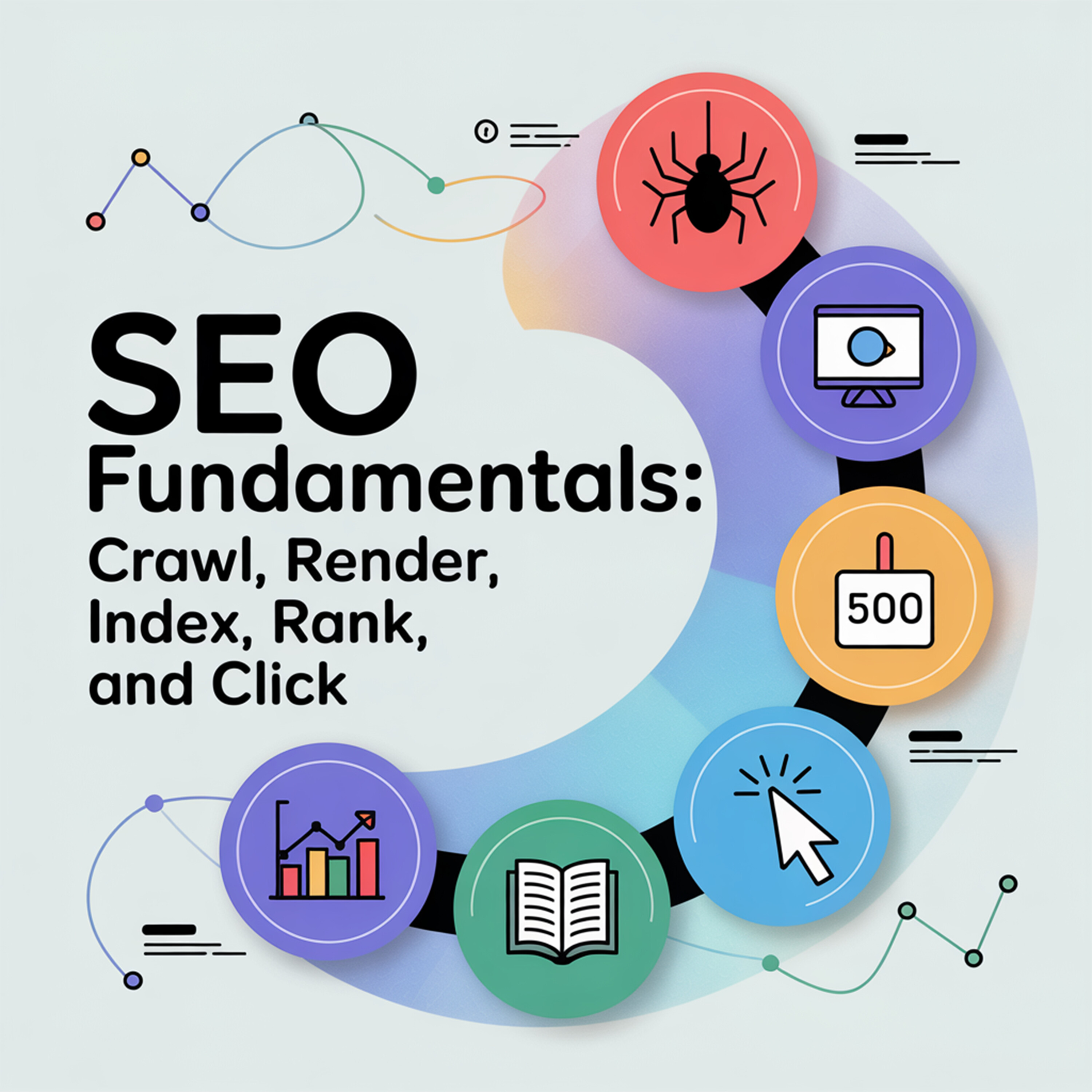
SEO Fundamentals: How to Crawl, Render, Index, Rank, and Click Internet Webpages with SEO Expert, Favour Obasi-ike
Description
SEO Fundamentals: How to Crawl, Render, Index, Rank, and Click Internet Webpages with SEO Expert, Favour Obasi-Ike | Get exclusive SEO newsletters in your inbox.
We discuss Search Engine Optimization (SEO) and its impact on online business growth, in this episode. We emphasize the importance of strategic content creation and website optimization for ranking highly on search engines like Google. The conversation also touches upon related topics such as website development, conversion rate optimization (CRO), and the patience required for SEO results, contrasting it with immediate, paid advertising.
Favour illustrates SEO success with personal examples of articles that ranked quickly, highlighting the "crawl, render, index, rank, and click" process crucial for online visibility and customer acquisition.
How do website development and SEO work together to improve online visibility?
Favour: Effective website development is foundational for SEO. Websites need to be readable, well-organized, and user-friendly to ensure a positive visitor experience. SEO, on the other hand, is a broad area encompassing both on-page (e.g., meta titles, meta descriptions, alt tags) and off-page efforts (e.g., backlinks). The goal is to optimize the site so it ranks highly on search engines like Google, ideally within the top 5-10 results, to increase visibility and attract more clicks. While a well-built website provides the structure, SEO ensures it's found by the right audience.
What is the typical timeframe for seeing SEO results, and why is patience crucial?
Favour: Unlike paid advertisements that can yield immediate attention, SEO takes time to show significant results, typically between 3 to 6 months. This delay is due to the saturation of online content and the complex processes search engines use to crawl, render, index, and rank websites. Many clients seek "quick fixes," often resorting to ads, but sustained SEO efforts require patience and consistent work to build domain authority and organic presence over time.
How does Favour differentiate between "paying for attention" (ads) and "catching attention" (SEO)?
Favour: There’s a critical distinction between paying for attention through ads and genuinely catching attention through organic strategies like SEO. Ads offer "impressions" and "reach," but don't guarantee engagement or conversion. Catching attention implies deeper engagement, leading to clicks and ultimately, the ideal client who is genuinely interested in the business's offerings. SEO focuses on attracting an "ideal client avatar" by understanding their psychographic, sociographic, and demographic inputs, leading to more qualified leads.
What are the five crucial steps in the SEO process outlined by Favour?
Favour: The SEO process consists of five interconnected steps:
- Crawl: The initial discovery phase where search engines cautiously navigate and explore new or updated web content. It's like a website's "baby" phase.
- Render: The time it takes for search engines to process and understand the content and structure of a website. This is the "loading time" before indexing.
- Index: The process where search engines create an inventory or directory of your website's content. This involves creating a sitemap and using relevant keywords to categorize your content for search.
- Rank: Once indexed, a website is positioned in search results based on various algorithm standards. Higher rankings mean greater visibility.
- Click: The ultimate goa