Episode Details
Back to Episodes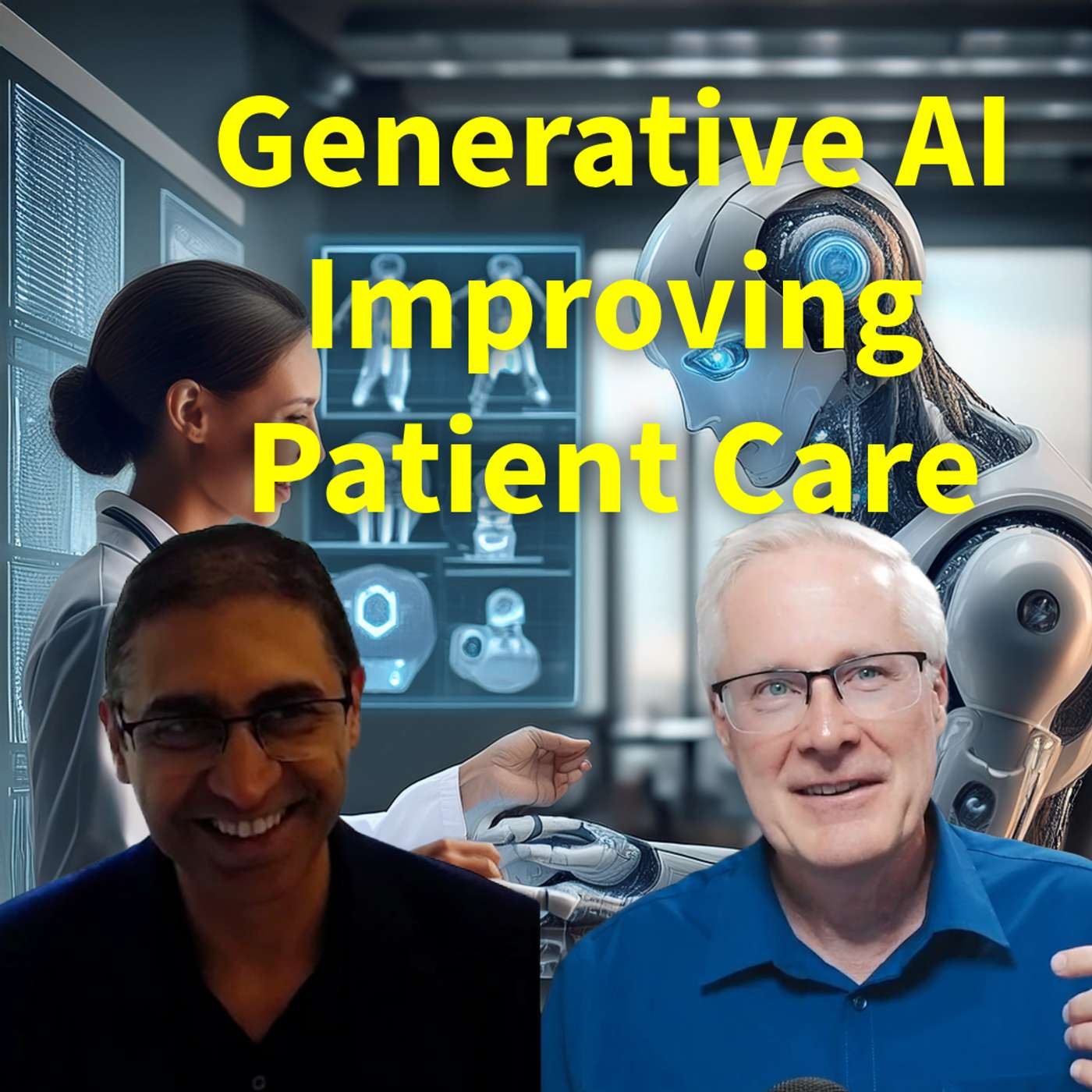
#284 Generative AI in Healthcare: Building Trust, Boosting Efficiency, and Shaping the Future of Patient Care
Description
Check out my new book AI Augmented Teams on Amazon or on my website paidar.ai/books.
In this episode of "Embracing Digital Transformation," host Dr. Darren is joined by Rajan Kohli, CEO of Citustech, a healthcare technology expert, to explore the rapidly evolving landscape of generative AI in healthcare. The discussion focuses on the current challenges and advancements in the adoption of AI technologies within the healthcare industry. Key topics include the contrast between healthcare and other sectors in adopting technology, the importance of trust and explainability in AI applications, and the potential for generative AI to improve patient care and operational efficiency. Roger shares insightful perspectives on how generative AI can enhance decision-support systems for doctors, reduce administrative burdens in back-office operations, and promote a more patient-centric approach to healthcare. ## Takeaways - Generative AI in healthcare is gradually being transitioned from experimental use to institutional adoption, but low production rates (10-15%) highlight ongoing challenges. - Central to generative AI success in healthcare are factors such as quality, trust, and explainability, which remain paramount due to the impact on patient outcomes. - The emergence of note-taking AI tools is enhancing doctor-patient interactions, allowing healthcare providers to focus more on patient care rather than administrative tasks. - AI can significantly streamline back-office processes, including medical coding and revenue cycle management, presenting opportunities to reduce costs while maintaining care quality. - The integration of preventive medicine with wearable health technologies could transform patient care, provided that necessary regulatory hurdles are addressed. ## Chapters - **00:00 - Introduction** - **02:15 - Current State of Generative AI in Healthcare** - **05:30 - Challenges of AI Adoption in Healthcare** - **08:00 - Importance of Quality and Trust in AI** - **12:45 - AI Enhancing Doctor-Patient Interactions** - **16:00 - The Role of AI in Decision Support Systems** - **20:30 - Streamlining Back-Office Operations with AI** - **24:00 - Future of AI and Preventive Medicine** - **27:30 - Conclusion and Call to Action**
In an era characterized by rapid technological advancement, generative AI is set to transform healthcare as we know it. This technological revolution offers immense potential not only for patient care but also for the infrastructure that supports healthcare providers. Drawing on insights from industry experts, this post examines the key trends and implications of generative AI in healthcare, focusing on three primary areas: enhancing decision-making, improving patient engagement, and optimizing operational efficiency.
Enhancing Decision-Making with AI
Generative AI is making significant strides in improving decision-making support systems for healthcare professionals. Traditionally, medical decisions relied heavily on established protocols and guidelines, often resulting in a one-size-fits-all approach that may overlook the unique needs of individual patients. With the introduction of AI-driven decision support systems, healthcare providers can leverage extensive datasets to inform their clinical judgments.
This shift enables a more nuanced understanding of patient care, as AI systems provide relevant clinical guidelines tailored to real-time data and individual patient histories. By comparing various treatment pathways, AI enables healthcare professionals to make informed decisions, enhancing the quality and personalization of care. Importantly, these systems ensure that the physician remains the ultimate decision-maker, keeping human expertise and empathy at the center of patient care.
Elevating Patient Engagement through Technology
Patient engagement is a crucial area where g