Episode Details
Back to Episodes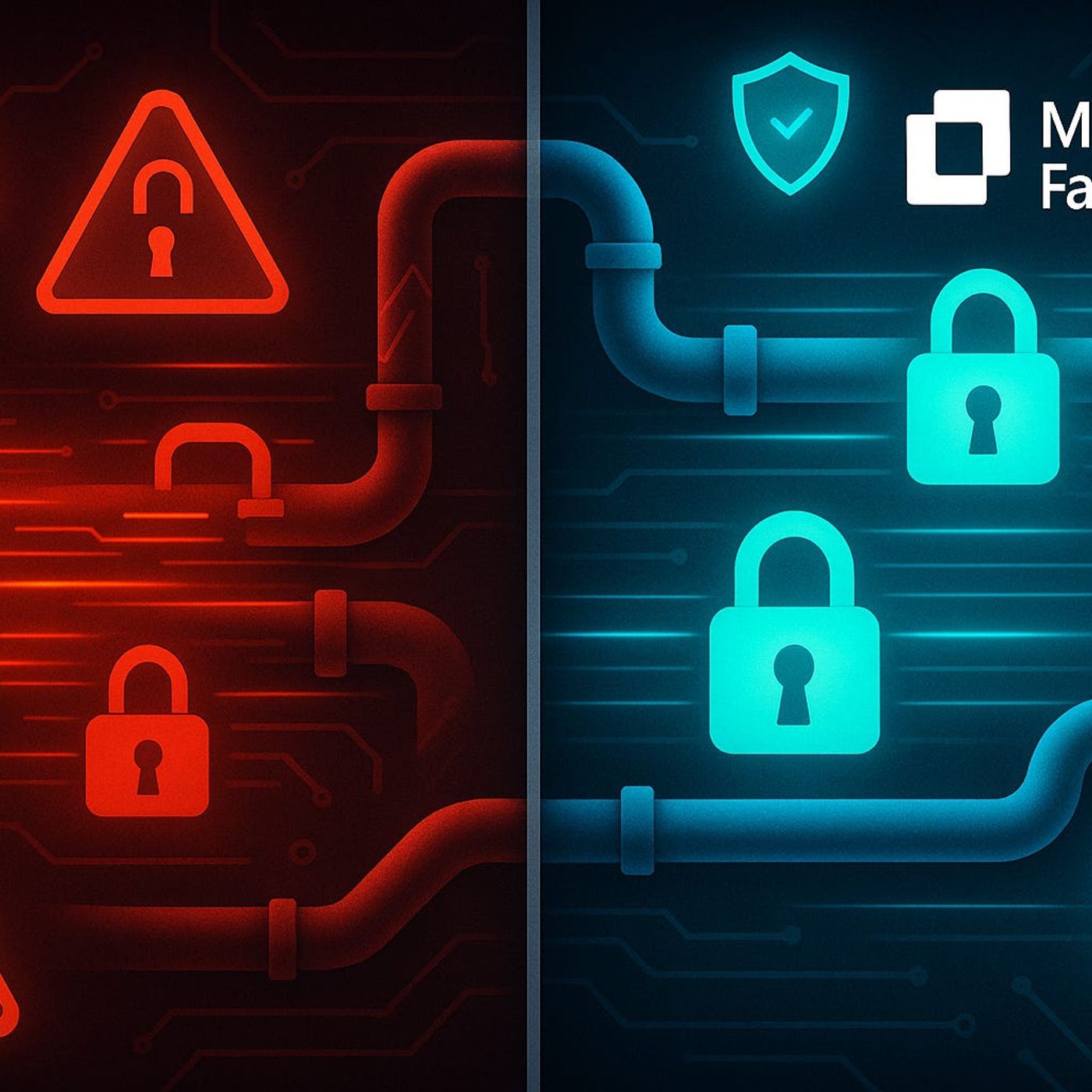
Data Pipelines in Microsoft Fabric: How Managed Identities, Key Vault and RBAC Close the Gaps Your Defaults Leave Open
Season 1
Published 11 months, 4 weeks ago
Description
Most Fabric pipelines look secure on the surface—permissions set, workspaces locked down, secrets “somewhere safe”—until an audit forces you to trace where data actually flows and who can see it. In this episode, we start from that uncomfortable moment and walk through the real security gaps most teams miss: misconfigured workspaces quietly exposing sensitive outputs, hardcoded secrets hiding in notebooks, and over‑privileged service accounts that nobody remembers owning.
We unpack why the biggest risk in many Microsoft 365‑driven organizations isn’t an external attacker but trusted users with more access than they should have. You’ll hear how inherited permissions, “temporary” workspace access, and stale service principals combine into silent oversharing—where analysts can browse raw ETL results or full tables they were never meant to touch. Using real‑world patterns from your description, we show how these issues stay invisible until a compliance review or incident forces everyone to look.
From there, we dig into how managed identities, Azure Key Vault, and role‑based access control (RBAC) actually fix these problems when used deliberately. We walk through replacing hardcoded connection strings with managed identities, centralizing secrets in Key Vault instead of notebooks and OneNote, and scoping RBAC so each pipeline and identity gets only the specific permissions it needs. The goal is simple: kill password sprawl, shrink your blast radius, and make it obvious who can reach which data at every hop in the pipeline
By the end, “secure Fabric pipeline” stops meaning “it runs without errors” and starts meaning “we can prove who has access, where secrets live, and how far a compromise could go.” You’ll walk away with a practical mental model for securing data pipelines in Microsoft Fabric: managed identities instead of passwords, Key Vault instead of scattered secrets, and RBAC instead of broad, default access that turns your tenant into Swiss cheese.
WHAT YOU LEARN
The core insight of this episode is that securing Fabric data pipelines is less about chasing hackers and more about fixing everyday access and secret‑handling habits. When you replace passwords with managed identities, move secrets into Key Vault, and design RBAC around least privilege, your pipelines stop relying on luck and undocumented settings—and start operating inside a security model you can explain to auditors without sweating.
We unpack why the biggest risk in many Microsoft 365‑driven organizations isn’t an external attacker but trusted users with more access than they should have. You’ll hear how inherited permissions, “temporary” workspace access, and stale service principals combine into silent oversharing—where analysts can browse raw ETL results or full tables they were never meant to touch. Using real‑world patterns from your description, we show how these issues stay invisible until a compliance review or incident forces everyone to look.
From there, we dig into how managed identities, Azure Key Vault, and role‑based access control (RBAC) actually fix these problems when used deliberately. We walk through replacing hardcoded connection strings with managed identities, centralizing secrets in Key Vault instead of notebooks and OneNote, and scoping RBAC so each pipeline and identity gets only the specific permissions it needs. The goal is simple: kill password sprawl, shrink your blast radius, and make it obvious who can reach which data at every hop in the pipeline
By the end, “secure Fabric pipeline” stops meaning “it runs without errors” and starts meaning “we can prove who has access, where secrets live, and how far a compromise could go.” You’ll walk away with a practical mental model for securing data pipelines in Microsoft Fabric: managed identities instead of passwords, Key Vault instead of scattered secrets, and RBAC instead of broad, default access that turns your tenant into Swiss cheese.
WHAT YOU LEARN
- Why Fabric pipelines often feel secure but still leak sensitive data through default workspace permissions.
- How oversharing, stale accounts, and inherited roles create silent internal risk across your data workflows.
- How managed identities remove hardcoded passwords from notebooks, scripts, and pipeline configurations.
- How Azure Key Vault centralizes secrets so you stop chasing connection strings across files and notes.
- How to use RBAC to give each pipeline and identity only the access it actually needs—nothing more.
The core insight of this episode is that securing Fabric data pipelines is less about chasing hackers and more about fixing everyday access and secret‑handling habits. When you replace passwords with managed identities, move secrets into Key Vault, and design RBAC around least privilege, your pipelines stop relying on luck and undocumented settings—and start operating inside a security model you can explain to auditors without sweating.
Listen Now
Love PodBriefly?
If you like Podbriefly.com, please consider donating to support the ongoing development.
Support Us