Episode Details
Back to Episodes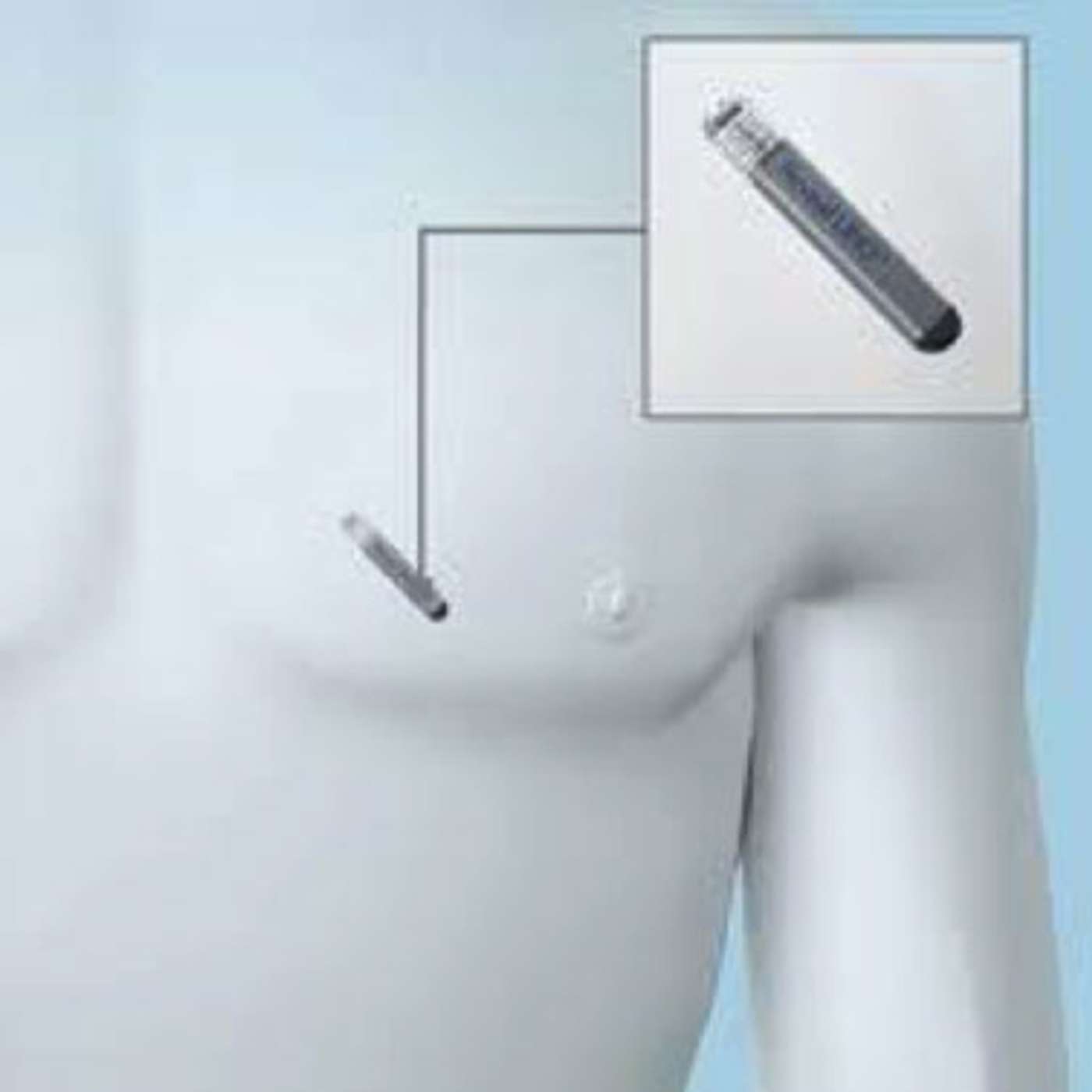
Implantable Loop Recorders (ILRs) in the Investigation of Syncope, Cryptogenic Stroke, TIA, and Transient Global Amnesia
Episode 30
Published 9 months, 2 weeks ago
Description
How an ILR Works
An ILR is a matchstick-sized device implanted under the skin of the chest, usually under local anaesthetic in a brief outpatient procedure. Once in place, it continuously monitors the heart’s electrical activity, storing recordings of any abnormal events it detects automatically or when triggered by the patient using a handheld activator.
Modern ILRs have:
- Automatic arrhythmia detection algorithms
- Wireless home monitoring (transmitting daily summaries to the cardiology team)
- Battery life of 2–4 years
- MRI-compatibility in most cases
An ILR may be recommended if you:
- Have unexplained syncope with inconclusive standard tests
- Have had a cryptogenic stroke, TIA, or TGA, where AF is suspected but not proven
- Have infrequent but concerning palpitations that evade short-term monitoring
- Have suspected intermittent AV block or sinus pauses
Full blog article