Episode Details
Back to Episodes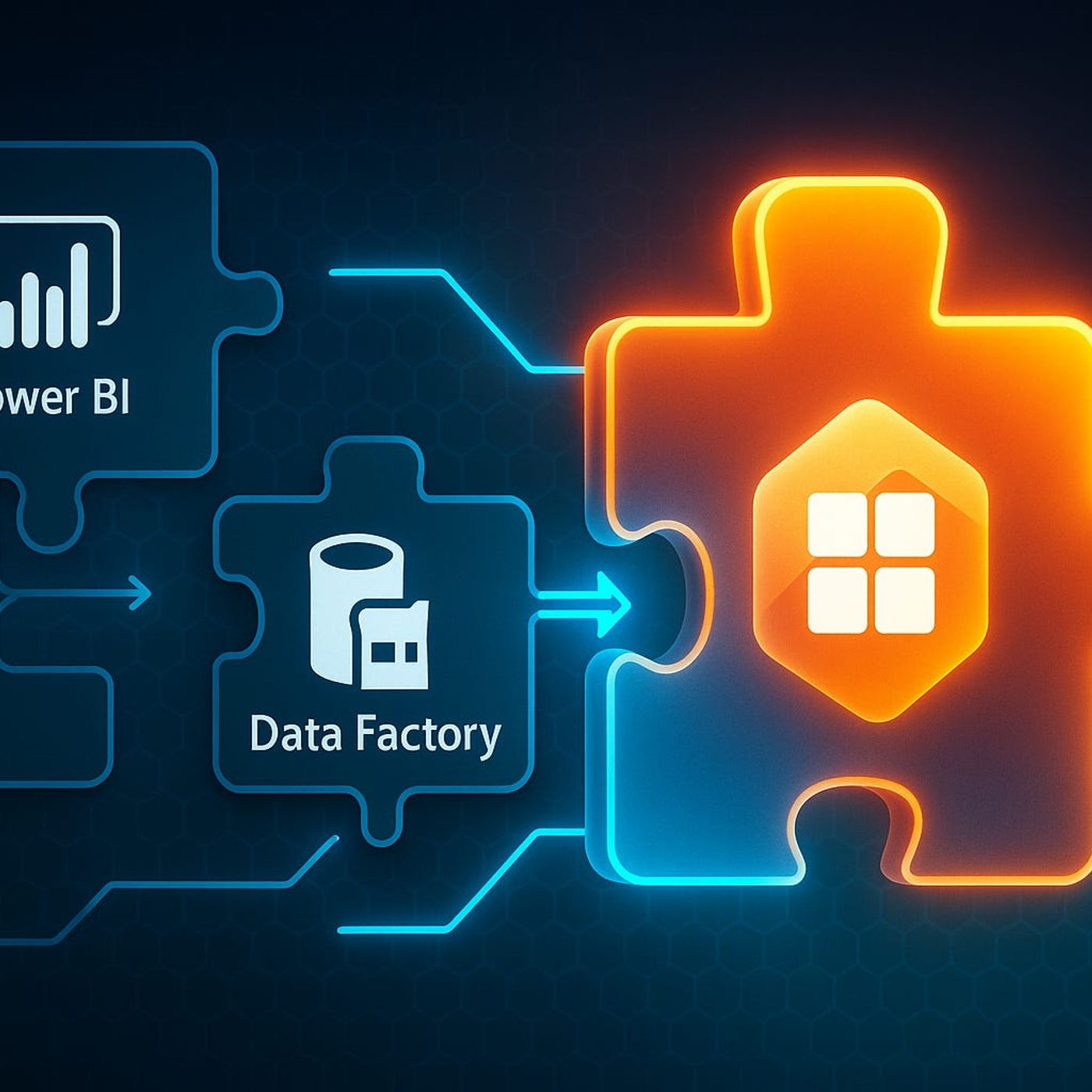
Microsoft Fabric: M365’s Missing Link?
Published 7 months ago
Description
Ever thought Power BI, Synapse, and Data Factory were speaking different languages? What if one new platform could finally get all your Microsoft 365 data working together—without another pile of connectors or patchwork scripts? Today, we’re breaking down Microsoft Fabric, the hidden architecture that can actually give you a single source of truth with OneLake at the core. So, how does Fabric fit into the workflows you already use—and why should every M365 admin start paying attention right now?Fabric’s Big Promise: One Platform to Unify Your DataLet’s be honest: the data tools in Microsoft 365 have a way of multiplying, and every new buzzword seems to come with its own storage and—if we’re being honest—a fresh round of admin pain. We’ve all watched Power BI, Synapse, and Data Factory grow into core pieces of the stack, each promising insights, speed, and a cleaner way forward. In reality, most teams keep these tools at arm’s length from each other. The finance group might run half their world in Power BI, building slick dashboards and KPIs, while operations is deep in Synapse crunching raw event logs. Ask them to share numbers for a board deck, and you can almost hear the groan echo down the hallway. It’s not just old-fashioned siloed thinking. Even in the cloud era, just getting two reports to use the same dataset often turns into a scavenger hunt.If you’ve ever spent an afternoon figuring out why permissions don’t quite line up, or why your data seems to multiply every time a connector is involved, you know the reality. Sure, we’ve got APIs and templates. They work—up to a point. But then, someone copies a dataset “just in case,” or SharePoint gets pulled in as a workaround, and suddenly half your organization is running on duplicate data while the other half is waiting for a sync to finish. When the compliance team tries to trace where a number came from, good luck. The pure reporting overhead eats up days. If that sounds dramatic, it’s not just anecdotal. The IDC measured this slog, and researchers found that nearly 70% of analytics time in big companies goes to wrangling, prepping, and reconciling data across different tools, instead of actually analyzing it. That’s not just slowing down businesses—it’s holding entire teams hostage to manual workarounds.Picture this: someone in finance wants to create a KPI summary in Power BI, drawing numbers from both sales and logistics. But operations keeps their raw inventory data locked in a Synapse workspace that nobody outside IT understands. The finance team spins their wheels waiting for exports that need to be “massaged” in Excel before import. By the time the numbers finally show up, they’re already out of date. Meanwhile, compliance teams are told to verify something simple—let’s say how much personally identifiable information sits in the warehouse. They end up running searches across three different tools, sometimes waiting days for someone to ping them with a file that could have been shared automatically if the systems actually talked to each other. It’s a painful workaround, not a system anyone would call seamless.Trying to run reporting in this environment is like juggling five separate calendars and then acting surprised when you miss a meeting. Each data tool in M365 has a little calendar icon of its own, but none of them actually share events. You might as well go back to sticky notes. Even when IT spins up connector after connector, problems just change shape. Permissions get out of sync. A user changes teams but still has read access to sensitive data in an old workspace. Suddenly, a batch job kicks off and drops yesterday’s numbers into a cache somewhere nobody can find. “Unified” reporting? Only on the surface.Now, the promise behind Microsoft Fabric is—finally—a break from all that duct tape. Instead of treating each tool as a standalone island, Fabric pulls Power BI, Synapse, Data Factory, and a handful of other services into a single architecture, with OneLak