Episode Details
Back to Episodes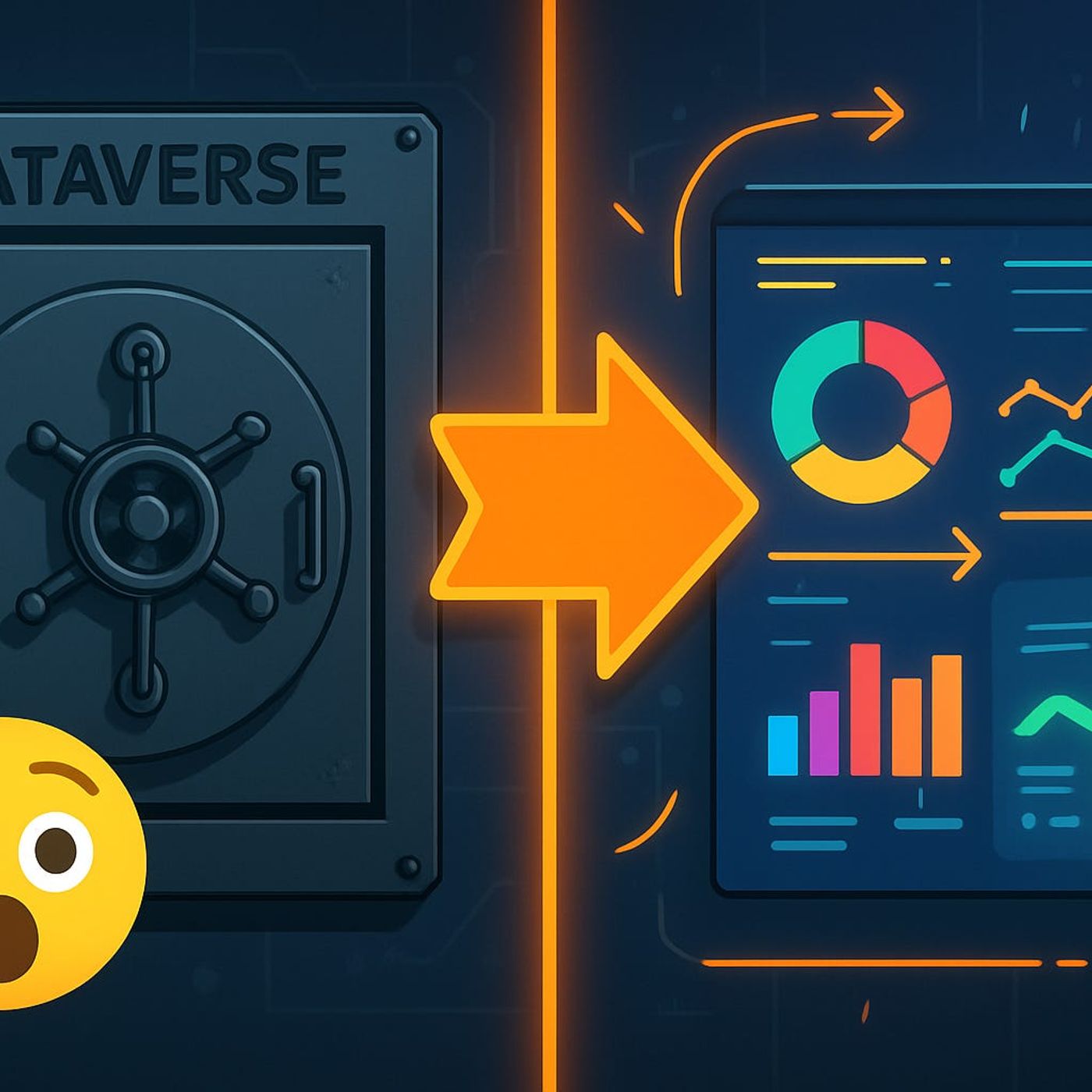
How to Integrate Dataverse with Microsoft Fabric for End-to-End Customer Insights
Season 1
Published 1 year, 2 months ago
Description
Most organizations treat Dataverse as a beautiful but isolated CRM garden—great dashboards, clean entities, and polished views, but almost no connection to the rest of their business data. In this episode, you learn how to unlock Dataverse with Microsoft Fabric so customer, sales, and support data stop living behind high walls and start feeding cross-business analytics that actually explain pipeline changes, churn, and campaign performance. Instead of staring at isolated CRM charts, you will see how to bring Dataverse together with marketing, product, and finance data in Fabric to answer real “why is this happening?” questions.
We start with the hard truth: Dataverse alone will not deliver unified analytics, no matter how many dashboards you build. You will hear why CRM-only reports always feel incomplete, how siloed marketing, support, and product usage data create blind spots, and why leadership loses trust when reports do not cover the full customer journey. From there, we walk step by step through making Dataverse a first-class data source in Fabric—covering permissions, security, environment setup, and the practical hurdles that usually block your first connection attempt.
Then we dive into the mechanics of moving from “nice snapshots” to real, joined-up analytics. You will learn how to land Dataverse tables in Fabric, model relationships to marketing and product data, and design a semantic model that sales, marketing, and finance can share instead of debating whose numbers are right. Along the way, we talk about least-privilege access, managed identities, and how to avoid permission ping-pong between IT and business owners when you connect Dataverse to Fabric for the first time.
By the end of this episode, you will have a practical blueprint for turning Dataverse from a walled garden into a core part of your analytics platform. If you are tired of meetings where every team brings different numbers, this conversation shows you exactly how to punch a clean, governed hole through those walls so Fabric can light up your Dataverse data alongside everything else that matters.
WHAT YOU LEARN
The core insight of this episode is that Dataverse should be the starting point—not the finish line—of your analytics story. When you connect Dataverse to Microsoft Fabric with the right permissions, models, and governance
We start with the hard truth: Dataverse alone will not deliver unified analytics, no matter how many dashboards you build. You will hear why CRM-only reports always feel incomplete, how siloed marketing, support, and product usage data create blind spots, and why leadership loses trust when reports do not cover the full customer journey. From there, we walk step by step through making Dataverse a first-class data source in Fabric—covering permissions, security, environment setup, and the practical hurdles that usually block your first connection attempt.
Then we dive into the mechanics of moving from “nice snapshots” to real, joined-up analytics. You will learn how to land Dataverse tables in Fabric, model relationships to marketing and product data, and design a semantic model that sales, marketing, and finance can share instead of debating whose numbers are right. Along the way, we talk about least-privilege access, managed identities, and how to avoid permission ping-pong between IT and business owners when you connect Dataverse to Fabric for the first time.
By the end of this episode, you will have a practical blueprint for turning Dataverse from a walled garden into a core part of your analytics platform. If you are tired of meetings where every team brings different numbers, this conversation shows you exactly how to punch a clean, governed hole through those walls so Fabric can light up your Dataverse data alongside everything else that matters.
WHAT YOU LEARN
- Why Dataverse-only CRM dashboards create blind spots across marketing, product, and support.
- How to connect Dataverse to Microsoft Fabric securely, including the real permission and role requirements.
- How to land Dataverse tables in Fabric and combine them with external data for complete customer and revenue views.
- How to build a shared semantic model so sales, marketing, and finance finally use the same numbers.
- How to move from descriptive Dataverse snapshots to true, cross-system analytics that explain trends.
The core insight of this episode is that Dataverse should be the starting point—not the finish line—of your analytics story. When you connect Dataverse to Microsoft Fabric with the right permissions, models, and governance