Episode Details
Back to Episodes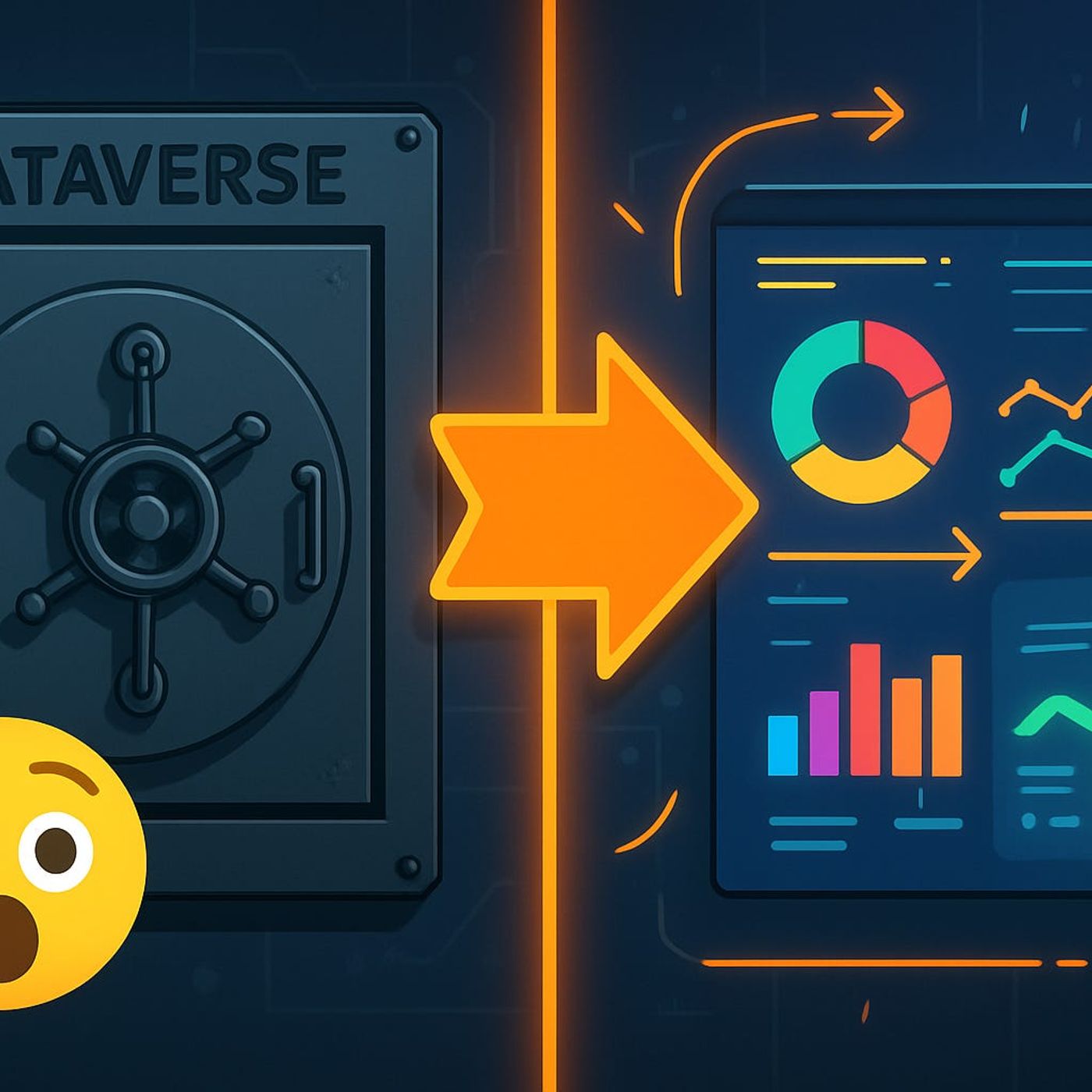
Unlock Dataverse—Stop Flying Blind in Fabric
Published 7 months ago
Description
What if your CRM data wasn’t stranded in Dataverse, but fueling insights across your business? Most organizations treat Dataverse like a walled garden, missing out on the analytics power of Fabric. Today, I’ll show you exactly how to punch a hole in that wall and bring your business data together—step by step, with live examples. Ready to watch your analytics light up in ways you’ve never seen? Let’s unlock Dataverse.Why Siloed Dataverse Data Leaves You GuessingIf you work in the world of Dynamics, you know the dance already. You log into your Dataverse-powered CRM, pull up those clean dashboards, and for a moment, it looks like everything makes sense. Pipeline by region. Open opportunities. Maybe you’re even splitting out case volumes or lead source. The numbers sit there on glossy charts, but the nagging feeling never really goes away: something’s missing. You can tell a story with these dashboards, but you’re forced to fill in the blanks because the context—the why behind the what—is usually nowhere in sight.And you’re not alone. Most organizations feed a ton of data into Dataverse. They treat it like the central vault—the default place for anything tied to customers, sales, and support. It makes sense, given how intertwined Dataverse is with standard CRM processes. Over time, the sales pipeline, contacts, activities, and support cases all find their way in, building up a sort of digital fossil record of your business relationships. But here’s the thing: Dataverse often ends up as this perfectly pruned garden with some impressively tall walls. You see what’s growing inside, but what’s going on just over the fence is a mystery.Take a typical sales manager. She’s staring down a revenue dip this quarter. The executive team wants answers—fast. She digs through Dataverse reports, tracking which leads closed and which didn’t, and it all looks straightforward enough. But the big question—why did things slow down?—can’t be answered within those walls. The marketing team has their own dashboards showing email open rates, campaign click-throughs, maybe some Google Analytics sprinkled on top. Website traffic took a dip, but no one can really say how that’s mapping onto the deals in the CRM. The result? A meeting where sales, marketing, and support each bring their own numbers, none of which quite line up, and the real story never gets told.And yes, this has consequences. A lot of companies assume that as long as they’re using “the same source of truth” for core data, they’re in good shape. The problem? When you treat Dataverse as the finish line instead of the starting block, you end up with half-baked analytics. Support data stays in its corner. Marketing attribution gets tracked somewhere else. Product usage or renewal signals might not make it in at all. Even something as common as a leads-to-opportunity conversion report turns slippery, because the activity trail is split over multiple systems.Think about it for a second: when was the last time your CRM dashboard explained a trend, instead of just describing it? Showing you sales by region is one thing. Helping you understand why certain campaigns tanked, or why renewals spiked after a service update—that requires more than Dataverse alone. And the problem compounds as your tech stack grows. Modern marketing runs on email, social, website personalization, webinars—none of which are Dataverse-native. Support might live in a separate system, or your product team might track usage with an entirely different tool. You’re left trying to stitch together the bigger picture with blindfolds on.It’s not just a productivity headache; it’s an executive-level trust issue. Recent studies show that over 60% of business leaders admit they second-guess their own analytics when those reports don’t cover all the business data. When each team chooses different reporting tools and data sources, you don’t just lose time to duplication—you risk making calls based on a partial view. That’s where real bus