Episode Details
Back to Episodes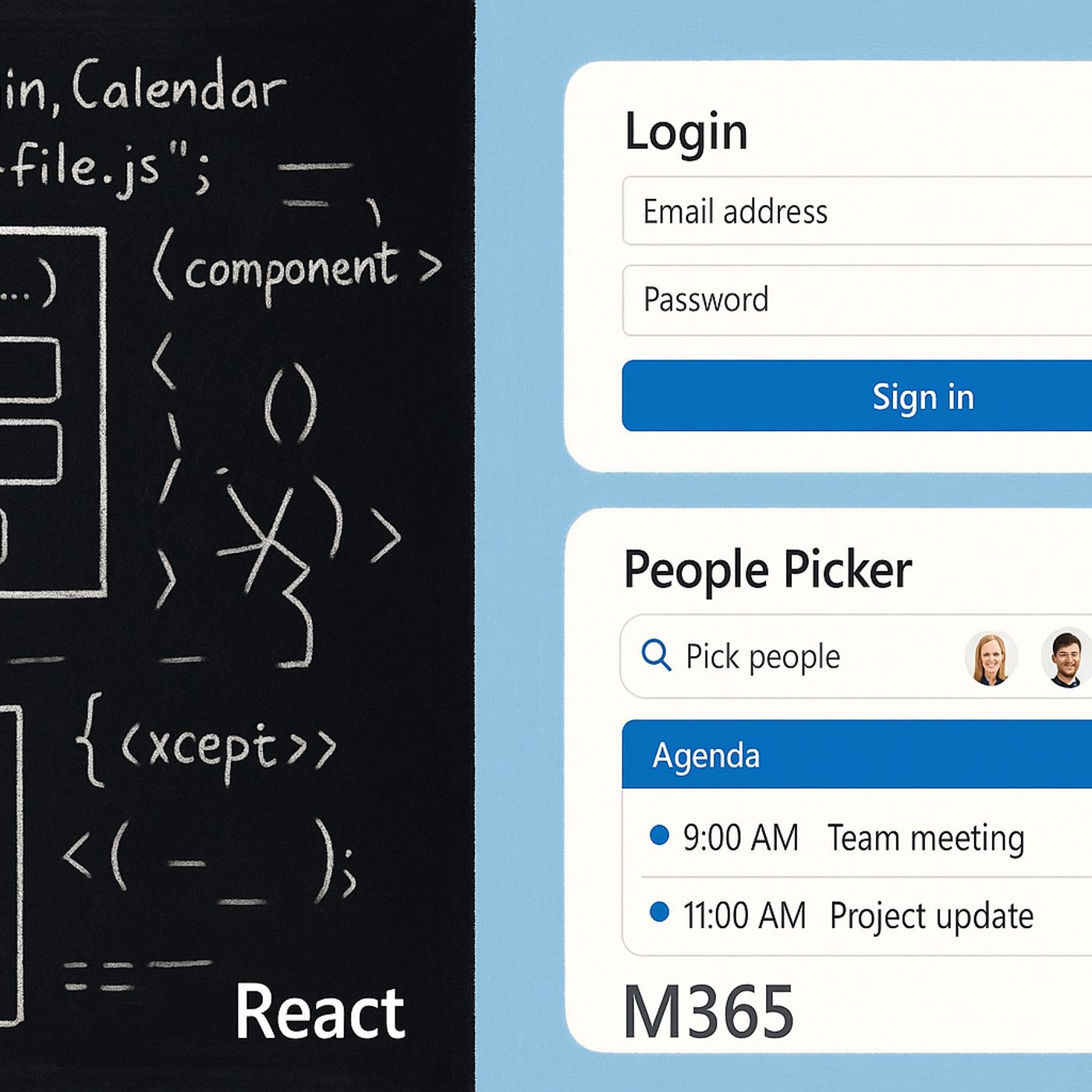
M365 Branding Chaos? Graph Toolkit Fixes That
Published 7 months ago
Description
Here’s a simple truth: most M365 front ends end up looking half-baked or dangerously off-brand. That messy authentication flow isn’t just annoying—it’s a risk.Today, I’ll walk you through how the Graph Toolkit gives you durable, secure M365 integration blocks—pre-built React components that drag and drop directly into your app. What really changes when you use these? Let’s break down how each component can standardize your UX and finally keep your boss, your users, and your compliance officer happy.Why Custom M365 Integrations Break DownIf you’ve ever stared at an M365-connected app and wondered why it feels patched together—yes, even the ones from vendors who should know better—you’re not imagining it. There’s a reason half these interfaces feel like different teams built them on different planets. The typical developer story goes a little something like this: you’re asked to add Microsoft 365 features to your app. First, you Google “how to do Microsoft login in React.” You hunt down a stack of tutorials, stitch together authentication with MSAL or ADAL, manage redirects, and suddenly you’re knee-deep in OAuth flows. You get the login working—sort of. Then your manager says, “Hey, can we let users pick colleagues from our directory?” Maybe you need to show calendars or meetings next. Now you’re dealing with several APIs, scattered documentation, and you’re probably scraping together UI bits from open source, outdated GitHub gists, or whatever half-finished sample you can find.That’s just the technical pain. The bigger mess creeps in slowly: each part feels slightly off. The login uses one font, but the main app uses another. The color palette drifts. Loading spinners look homemade. Even icons don’t quite match. Left unchecked, your app starts to resemble a Craigslist couch sitting next to a West Elm dining set—functional, but who really wants to live with that?And then it gets real. Imagine this: you finally launch, and users click “Sign in,” only to end up on a login page that looks nothing like Microsoft. Instead of the familiar M365 blue, they see an empty form with your company logo and an “Enter password” prompt that raises eyebrows. People start asking, “Is this legit?” A few users refuse to sign in. IT gets nervous and starts poking around for phishing attempts. You’re stuck explaining that yes, it’s safe… but even you look twice. By lunchtime, the complaints have hit your inbox, and your project lead is asking why this wasn’t flagged in testing.Let’s put a number on this pain. A recent Forrester study commissioned by Microsoft found that teams spend up to 40 percent of their project time building and fixing user authentication and directory connections—work that, more often than not, quietly fails audits. That’s not just dev hours wasted. It’s every late-night patch, every “quick fix,” every time someone says, “Well, it kind of works now, let’s ship it.” One misstep—maybe an unpatched custom OAuth flow or overlooked consent screen—and you end up at the top of someone’s security playbook for all the wrong reasons.Trying to solve this with custom code isn’t just inefficient; it becomes a branding and compliance minefield. Matching Microsoft’s style with your own components is like trying to assemble IKEA shelves and then sneak in a custom-made mahogany leg—something always wobbles, even if you sand it down and throw a tablecloth on top. The deeper you go, the more the seams show. Tiny things matter: Microsoft’s own design language cues trust, especially for M365 users who’ve been trained to look for certain buttons or flows. Break that consistency, and you break user confidence. And when branding slips, it’s not just about pretty UI—a mismatched experience can undermine the whole promise of enterprise security.Here’s the compliance catch. In regulated industries, UX isn’t just window dressing; it’s part of the audit trail. A login page that looks official matters because phishing protections and user trust depend on vis