Episode Details
Back to Episodes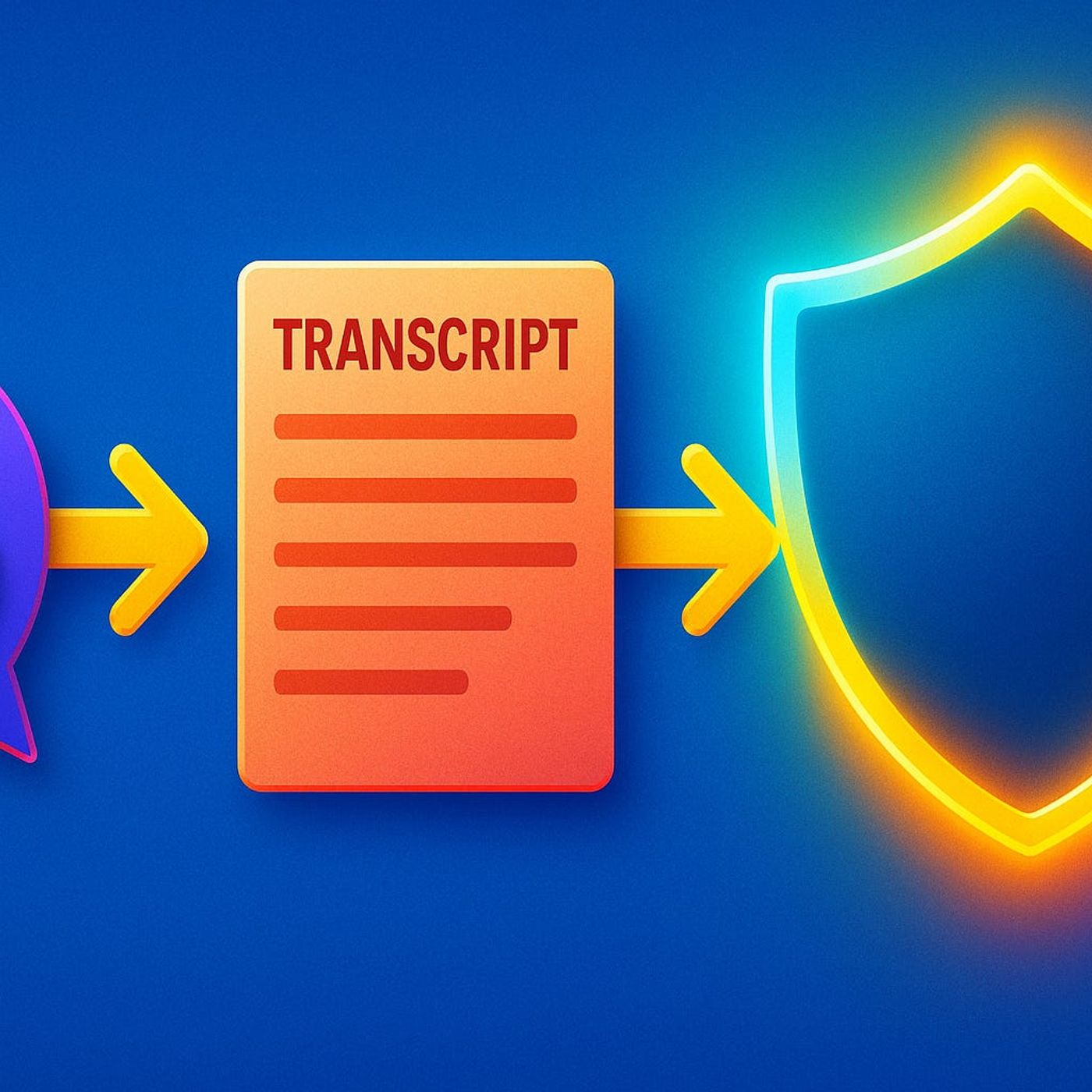
Teams Recording: How Compliance Recording APIs, Bots, and Legal Hold Turn Your Calls into Defensible Evidence Instead of Risky MP4 Files
Season 1
Published 1 year, 2 months ago
Description
Stop Trusting Basic Teams Recording
If you’re relying on basic Microsoft Teams recordings and default retention, you have a dangerous gap between what you think is compliant and what regulators or legal teams will actually accept. The “Record” button feels safe—files show up in OneDrive or SharePoint, transcripts exist, everyone relaxes—but the moment you face an audit, legal hold, or discovery request, missing metadata, deleted accounts, and low‑quality transcripts suddenly become hard blockers. In this episode, we walk through why out‑of‑the‑box Teams recording is built for collaboration, not compliance—and what a real, API‑driven recording architecture has to look like if you want to sleep at night.
You’ll hear what happens when a regulator asks for a full year of calls with specific customers, or when a dispute depends on who said what in a particular meeting. Default recordings fall apart fast: some meetings were never recorded, some files vanished when users left, legal hold was never properly applied, and transcripts are too inaccurate or incomplete to stand as reliable evidence. Even worse, there’s no consistent record of consent, attendees, or roles across all those calls. What looked like a neat folder of MP4s turns out to be Swiss cheese from a compliance perspective.
We then unpack the API toolbox Microsoft actually gives you—but most organizations never fully use. You’ll learn how compliance recording bots, Teams recording APIs, and Microsoft Graph legal hold endpoints work together as a pipeline: capturing the right meetings in real time, preserving audio and video independently of user actions, and locking both content and metadata under legal hold—even through offboarding and lifecycle events. Instead of hoping users press “Record,” you use policy and API‑driven control to make sure regulated conversations are always captured and preserved to the standard your industry requires.
Finally, we connect the plumbing to business reality. We explore how to decide which calls need compliance recording, how to avoid over‑collecting everything, and how to design storage and transcription so they stay accurate, searchable, and defensible years later. Whether you’re in finance, healthcare, legal, or any sector with tight retention rules, you’ll see how to move from a convenient collaboration feature to a deliberate compliance recording architecture you can actually explain in front of regulators and your board.
WHAT YOU LEARN
The core insight of this episode i
If you’re relying on basic Microsoft Teams recordings and default retention, you have a dangerous gap between what you think is compliant and what regulators or legal teams will actually accept. The “Record” button feels safe—files show up in OneDrive or SharePoint, transcripts exist, everyone relaxes—but the moment you face an audit, legal hold, or discovery request, missing metadata, deleted accounts, and low‑quality transcripts suddenly become hard blockers. In this episode, we walk through why out‑of‑the‑box Teams recording is built for collaboration, not compliance—and what a real, API‑driven recording architecture has to look like if you want to sleep at night.
You’ll hear what happens when a regulator asks for a full year of calls with specific customers, or when a dispute depends on who said what in a particular meeting. Default recordings fall apart fast: some meetings were never recorded, some files vanished when users left, legal hold was never properly applied, and transcripts are too inaccurate or incomplete to stand as reliable evidence. Even worse, there’s no consistent record of consent, attendees, or roles across all those calls. What looked like a neat folder of MP4s turns out to be Swiss cheese from a compliance perspective.
We then unpack the API toolbox Microsoft actually gives you—but most organizations never fully use. You’ll learn how compliance recording bots, Teams recording APIs, and Microsoft Graph legal hold endpoints work together as a pipeline: capturing the right meetings in real time, preserving audio and video independently of user actions, and locking both content and metadata under legal hold—even through offboarding and lifecycle events. Instead of hoping users press “Record,” you use policy and API‑driven control to make sure regulated conversations are always captured and preserved to the standard your industry requires.
Finally, we connect the plumbing to business reality. We explore how to decide which calls need compliance recording, how to avoid over‑collecting everything, and how to design storage and transcription so they stay accurate, searchable, and defensible years later. Whether you’re in finance, healthcare, legal, or any sector with tight retention rules, you’ll see how to move from a convenient collaboration feature to a deliberate compliance recording architecture you can actually explain in front of regulators and your board.
WHAT YOU LEARN
- Why default Teams recordings and retention are not designed for strict compliance scenarios.
- How missing consent, metadata, and legal hold turn “we have recordings” into “we’re not covered.”
- What Microsoft’s compliance recording bots, Teams recording APIs, and Graph legal hold really provide.
- How to design an end‑to‑end recording pipeline that captures, preserves, and protects critical calls.
- How to choose which meetings need compliance recording so you avoid both gaps and over‑collection.
The core insight of this episode i