Episode Details
Back to Episodes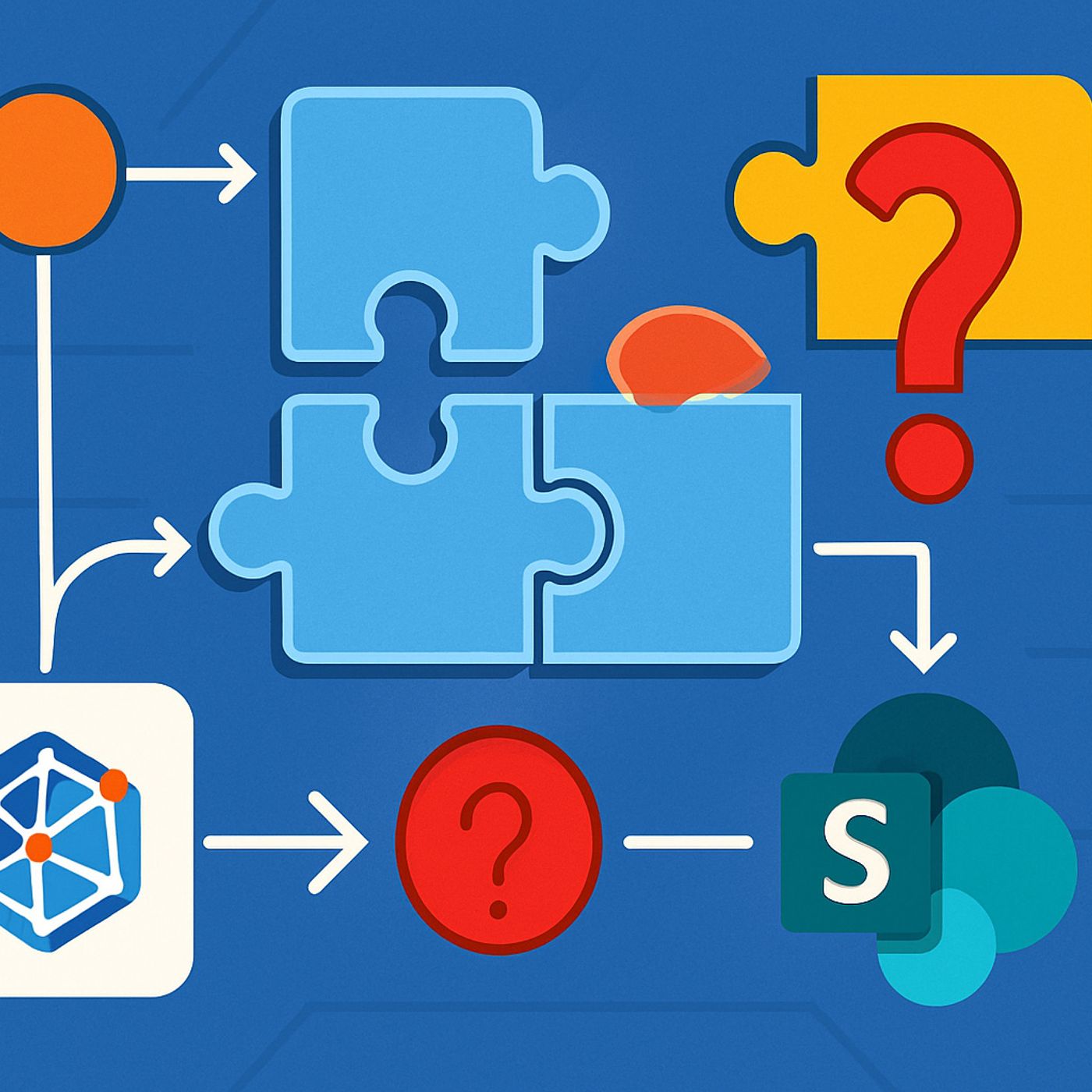
Graph Notifications: The Step You’re Missing
Published 7 months ago
Description
Ever missed a crucial SharePoint update because your webhook never fired? You're not alone. Today, we're exposing the most common mistakes in setting up Microsoft Graph change notifications—and more importantly, how to fix them so you never miss a critical business trigger again.What simple step is most IT pros overlooking that leaves workflows hanging and data out of sync? Let's break it down, step by step, and make sure your change notifications work when it matters most.The Webhook Validation Trap: Why Most Notification Setups Fail on Day OneSo let’s say you finally get the sign-off to wire up a shiny new webhook for SharePoint notifications. You run through all the steps in the docs, double-check the endpoint URL, deploy your code, and you’re expecting updates to come rolling in. But then—nothing. Not a single notification. No error pops up in the Azure portal. The Graph Explorer isn’t complaining. The monitoring dashboard is just blank. And there you are, staring at a system that’s supposed to keep you in the loop, but you’re more out of touch than ever. It’s a moment almost every Microsoft 365 developer and IT admin hits eventually, and it’s the kind of silent break that’s maddening because you don’t even get a hint for where to look next.Here's where most people go astray: they treat the webhook setup as just another REST endpoint tied to Microsoft Graph. There’s this checklist mindset—URL, permissions, maybe a firewall rule, and you’re good, right? Not quite. See, Microsoft Graph expects something far more particular at the very first handshake. It’s this tiny, easy-to-miss bit called validation. When you submit your subscription, before Graph ever starts pushing live notifications, it posts a unique validation token to your endpoint. Not a fancy security dance—just a raw string delivered in an HTTP request. And the catch? Your endpoint has to reply with exactly that string, with nothing else in the payload. Miss a single character, append a newline, echo it in JSON, or add any decoration—Graph shrugs and walks away. And unless you happen to be tracing network logs or monitoring your endpoint with a fine-tooth comb, you’ll never notice. For most teams, that handshake fails in total silence. Microsoft just ignores you.You’d be surprised how many otherwise production-ready endpoints never make it past this simple validation step. Take this one customer: a finance department needed real-time visibility into SharePoint list changes to process purchase approvals. The dev team finished the webhook integration on a Friday. By Monday, they got an earful from everybody—from accountants to procurement leads—because none of the urgent SharePoint triggers had fired. The developers spent hours combing through logs and blaming networking, only to spot days later that the initial validation post had hung for too long. Microsoft Graph times out that first request in just seconds. If you don’t bounce back the exact string, and do it almost instantly, the whole subscription just fails to activate from the start. That’s real money and operations down the drain for a basic oversight.Why does this simple echo matter so much? Microsoft Graph doesn’t want to be sending sensitive data or notifications into the void. Until your endpoint proves it’s listening—and can respond quickly—it won’t trust you with anything else. The protocol says: “reply with the validation token as-is, no processing, no JSON, no wrappers, nothing extra.” What trips up a lot of IT pros here is that, by habit, we treat everything as an authenticated, decorated payload. Some web frameworks add headers, others rewrite responses in the name of HTTP hygiene. If your system adds just one redirect, or insists on an SSL inspection that slows down the response to over five seconds, Microsoft simply drops the subscription attempt and moves on. There's no system alert, no incident in the admin center, and the docs? Sure, they mention the step, but not how picky Graph really is ab