Episode Details
Back to Episodes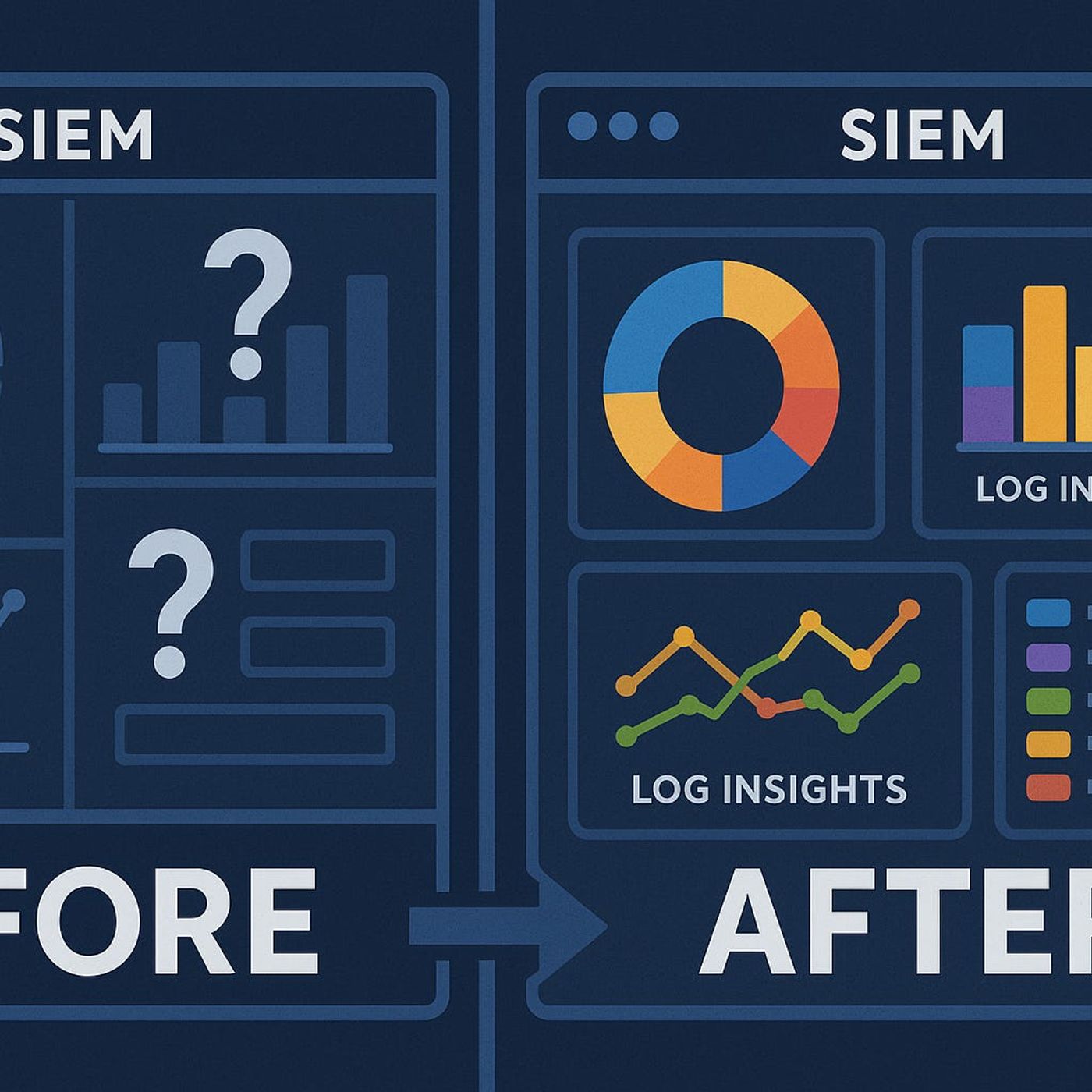
Your SIEM Is Missing Critical M365 Logs: Audit Gaps, Licensing Costs and How to Fix Microsoft 365 Visibility
Season 1
Published 1 year ago
Description
Most SIEM dashboards only show you a comfortable slice of Microsoft 365 activity—enough to feel covered, but not enough to actually investigate a serious incident end‑to‑end. The default connectors into tools like Sentinel or Splunk often miss high‑value events from Exchange, SharePoint, Teams and Power Platform, especially when advanced auditing or higher‑tier licensing isn’t in place. In this episode, we walk through real cases where mailbox access, external file sharing or Power Automate‑based exfiltration simply never appeared in the SIEM and had to be reconstructed later from separate compliance portals, turning what should have been hours of analysis into days of guesswork under pressure.
From there, we dissect where those blind spots come from: the difference between basic and advanced auditing, what E5 and add‑on compliance features actually unlock, and how SIEM ingestion and storage pricing quietly shapes which logs security teams decide to collect. You’ll learn why “just turn everything on” is rarely realistic, how noisy, low‑value events drown out the signals you care about, and how to rank log sources by investigation value rather than pure volume. We also look at how common deployment patterns—multiple tenants, hybrid identities, third‑party apps—make it even easier to assume coverage you don’t really have, especially when diagrams and reality have drifted apart over time.
Finally, we get practical about closing the gaps without blowing up your budget. We outline how to design a focused M365 logging strategy: identify your highest‑risk scenarios, map them to specific audit events and workloads, validate which of those actually land in your SIEM today, and then deliberately onboard the missing ones with cost in mind. The goal is not to chase perfect visibility, but to ensure that when an incident hits—an inbox rule abuse, a suspicious download pattern, a Power Automate flow moving data off‑platform—you already have the right Microsoft 365 evidence in the SIEM, instead of discovering the gap live in front of your stakeholders.
WHAT YOU’LL LEARN
The core insight of this episode is that “we connected Microsoft 365 to our SIEM” is not the same as real visibility. Until you deliberately decide which high‑value M365 events to capture—and accept the cost and design trade‑offs that come with them—you’ll keep discovering gaps only when leadership is watching and an incident is already in progress.
From there, we dissect where those blind spots come from: the difference between basic and advanced auditing, what E5 and add‑on compliance features actually unlock, and how SIEM ingestion and storage pricing quietly shapes which logs security teams decide to collect. You’ll learn why “just turn everything on” is rarely realistic, how noisy, low‑value events drown out the signals you care about, and how to rank log sources by investigation value rather than pure volume. We also look at how common deployment patterns—multiple tenants, hybrid identities, third‑party apps—make it even easier to assume coverage you don’t really have, especially when diagrams and reality have drifted apart over time.
Finally, we get practical about closing the gaps without blowing up your budget. We outline how to design a focused M365 logging strategy: identify your highest‑risk scenarios, map them to specific audit events and workloads, validate which of those actually land in your SIEM today, and then deliberately onboard the missing ones with cost in mind. The goal is not to chase perfect visibility, but to ensure that when an incident hits—an inbox rule abuse, a suspicious download pattern, a Power Automate flow moving data off‑platform—you already have the right Microsoft 365 evidence in the SIEM, instead of discovering the gap live in front of your stakeholders.
WHAT YOU’LL LEARN
- Which critical Microsoft 365 audit logs your SIEM usually misses by default.
- Why default connectors and basic auditing create dangerous blind spots.
- How licensing (E5, advanced compliance) and SIEM pricing shape your visibility.
- How to prioritize and onboard high‑value logs without drowning in volume or cost.
The core insight of this episode is that “we connected Microsoft 365 to our SIEM” is not the same as real visibility. Until you deliberately decide which high‑value M365 events to capture—and accept the cost and design trade‑offs that come with them—you’ll keep discovering gaps only when leadership is watching and an incident is already in progress.
Listen Now
Love PodBriefly?
If you like Podbriefly.com, please consider donating to support the ongoing development.
Support Us