Podcast Episode Details
Back to Podcast Episodes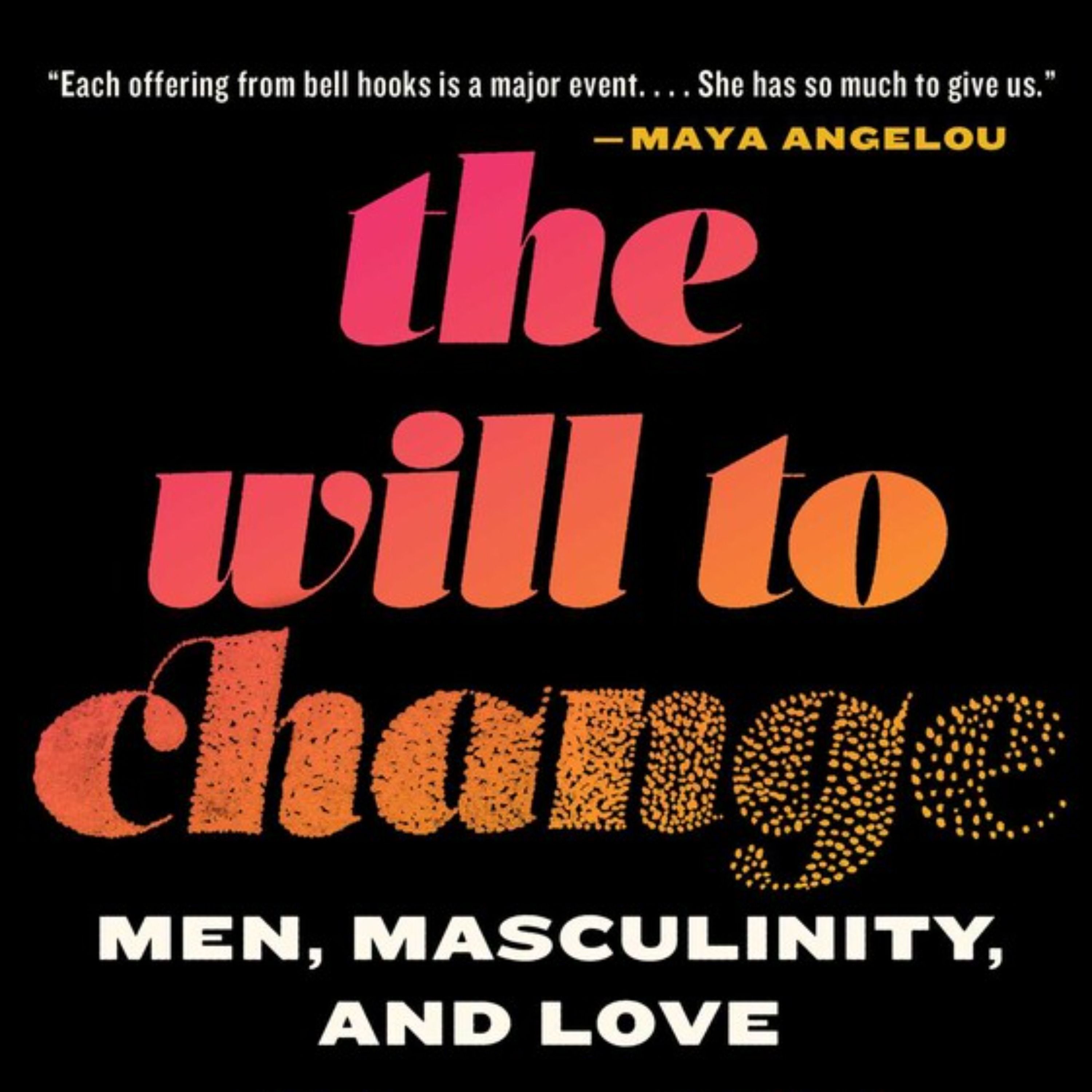
The Will to Change: Understanding Love and Masculinity's Impact
Chapter 1 What's The Will to Change
"The Will to Change: Men, Masculinity, and Love" is a book by bell hooks, published in 2004. In this work, hooks addresses issues of masculinity and the societal expectations placed on men, exploring how these expectations can be harmful not only to women but also to men themselves.
The central thesis of the book argues that traditional notions of masculinity are toxic and detrimental, fostering a culture of domination, violence, and emotional repression. Hooks emphasizes the importance of love and emotional honesty as pathways to healthier and more fulfilling lives for men. She advocates for a redefinition of masculinity that embraces vulnerability, compassion, and connection.
Throughout the book, hooks draws on her experiences, personal insights, and feminist theory to highlight the need for males to engage in a process of self-examination and transformation. She encourages men to break free from restrictive gender norms and encourages them to build meaningful relationships based on authenticity and emotional intimacy.
Ultimately, "The Will to Change" is a call for a cultural shift in how we understand and live out masculinity, highlighting the potential for love and emotional growth in the face of societal pressures.
Chapter 2 The Background of The Will to Change
"The Will to Change: Men, Masculinity, and Love" by bell hooks was published in 2003 and is an exploration of the concepts of masculinity, love, and emotional well-being from a feminist perspective. This book is situated within a broader socio-cultural context that grapples with issues of gender, race, class, and the evolving roles of men in society.
Social Context
1. Early 2000s Feminism: The early 2000s saw a resurgence of feminist discourse that was increasingly intersectional, considering how various identities (race, class, sexuality, etc.) intersect to impact people's experiences. Hooks’ work was part of this emerging conversation, particularly in examining the societal norms surrounding masculinity.
2. Changing Gender Norms: During this period, discussions around masculinity were shifting. There was growing recognition of toxic masculinity and how traditional male roles were detrimental both to men and to society at large. Hooks’ writing reflects this tension and advocates for a new understanding of what it means to be masculine.
3. Cultural Critique: Hooks critiques the media and cultural representations of masculinity that often perpetuate violence, emotional repression, and domination. This was particularly relevant as it coincided with a rise in awareness about issues like domestic violence and mental health, challenging the traditionally stoic portrayal of men.
4. Men and Emotional Intelligence: The book emphasizes the need for men to embrace emotional intelligence and vulnerability. This aligns with broader societal shifts calling for mental health awareness and the acceptance of emotional expressions in men, countering long-standing stigmas.
Author's Intentions
1. Healing and Transformation: Hooks intends to explore how love can be a transformative force in the lives of men, advocating for a reclamation of emotional expression that benefits individuals and society. She believes that men need to learn how to love and be loved, which can lead to healthier relationships.
2. Challenging Traditional Masculinity: Hooks aims to challenge the traditional notions of masculinity that have been damaging, both to men and to their relationships with others. She seeks to redefine masculinity in a way that allows for emotional depth and connection.
3. Feminist Pedagogy: As an educator and a feminist theorist, hooks often incorporates elements of feminist pedagogy, encouraging critical thinking about societal norms and the ways in which they can be deconstruc
"The Will to Change: Men, Masculinity, and Love" is a book by bell hooks, published in 2004. In this work, hooks addresses issues of masculinity and the societal expectations placed on men, exploring how these expectations can be harmful not only to women but also to men themselves.
The central thesis of the book argues that traditional notions of masculinity are toxic and detrimental, fostering a culture of domination, violence, and emotional repression. Hooks emphasizes the importance of love and emotional honesty as pathways to healthier and more fulfilling lives for men. She advocates for a redefinition of masculinity that embraces vulnerability, compassion, and connection.
Throughout the book, hooks draws on her experiences, personal insights, and feminist theory to highlight the need for males to engage in a process of self-examination and transformation. She encourages men to break free from restrictive gender norms and encourages them to build meaningful relationships based on authenticity and emotional intimacy.
Ultimately, "The Will to Change" is a call for a cultural shift in how we understand and live out masculinity, highlighting the potential for love and emotional growth in the face of societal pressures.
Chapter 2 The Background of The Will to Change
"The Will to Change: Men, Masculinity, and Love" by bell hooks was published in 2003 and is an exploration of the concepts of masculinity, love, and emotional well-being from a feminist perspective. This book is situated within a broader socio-cultural context that grapples with issues of gender, race, class, and the evolving roles of men in society.
Social Context
1. Early 2000s Feminism: The early 2000s saw a resurgence of feminist discourse that was increasingly intersectional, considering how various identities (race, class, sexuality, etc.) intersect to impact people's experiences. Hooks’ work was part of this emerging conversation, particularly in examining the societal norms surrounding masculinity.
2. Changing Gender Norms: During this period, discussions around masculinity were shifting. There was growing recognition of toxic masculinity and how traditional male roles were detrimental both to men and to society at large. Hooks’ writing reflects this tension and advocates for a new understanding of what it means to be masculine.
3. Cultural Critique: Hooks critiques the media and cultural representations of masculinity that often perpetuate violence, emotional repression, and domination. This was particularly relevant as it coincided with a rise in awareness about issues like domestic violence and mental health, challenging the traditionally stoic portrayal of men.
4. Men and Emotional Intelligence: The book emphasizes the need for men to embrace emotional intelligence and vulnerability. This aligns with broader societal shifts calling for mental health awareness and the acceptance of emotional expressions in men, countering long-standing stigmas.
Author's Intentions
1. Healing and Transformation: Hooks intends to explore how love can be a transformative force in the lives of men, advocating for a reclamation of emotional expression that benefits individuals and society. She believes that men need to learn how to love and be loved, which can lead to healthier relationships.
2. Challenging Traditional Masculinity: Hooks aims to challenge the traditional notions of masculinity that have been damaging, both to men and to their relationships with others. She seeks to redefine masculinity in a way that allows for emotional depth and connection.
3. Feminist Pedagogy: As an educator and a feminist theorist, hooks often incorporates elements of feminist pedagogy, encouraging critical thinking about societal norms and the ways in which they can be deconstruc
Published on 1 year, 1 month ago
If you like Podbriefly.com, please consider donating to support the ongoing development.
Donate