Podcast Episode Details
Back to Podcast Episodes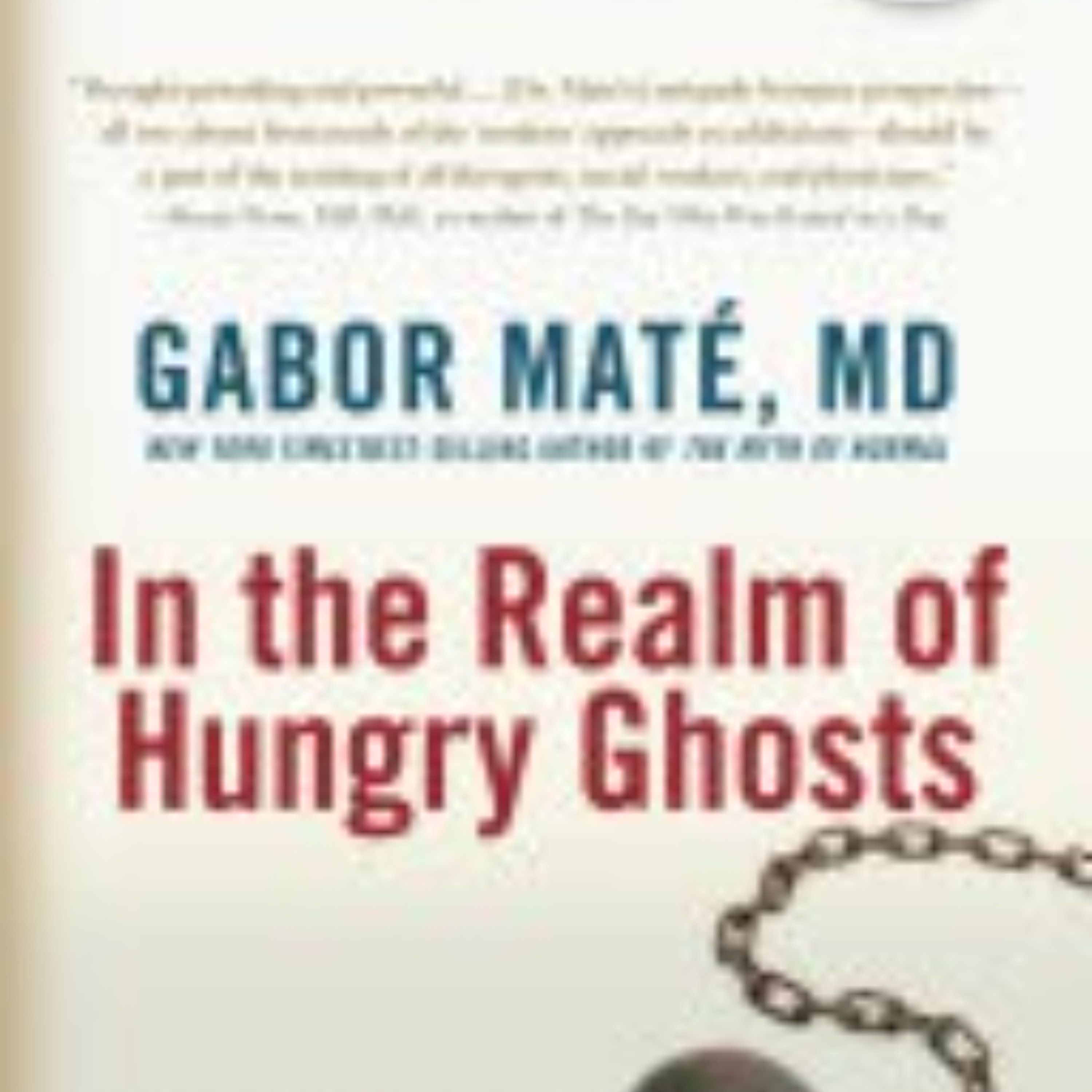
In The Realm Of Hungry Ghosts: Understanding Addiction and Healing
Chapter 1 What's In The Realm Of Hungry Ghosts
"In the Realm of Hungry Ghosts" is a book by Dr. Gabor Maté, a physician and author known for his work on addiction, trauma, and mental health. In this book, Maté explores the nature of addiction, providing insights into its causes, effects, and implications for individuals and society. He uses the metaphor of "hungry ghosts," drawn from Buddhist philosophy, to describe people who are driven by cravings and desires that are never satisfied.
Maté argues that addiction is not simply a personal failing or a moral issue but is deeply connected to trauma, emotional pain, and the individual's life circumstances. He emphasizes the importance of understanding the underlying issues that lead to addictive behaviors, such as early childhood experiences, social environment, and mental health challenges.
Throughout the book, Maté draws on his experiences working with people struggling with addiction in Vancouver's Downtown Eastside, as well as research and case studies. He discusses various forms of addiction beyond substance use, including behavioral addictions, and highlights the need for compassionate responses to those affected.
Overall, "In the Realm of Hungry Ghosts" offers a compassionate perspective on addiction, urging readers to understand it as a complex social and psychological phenomenon rather than simply a personal choice or character flaw. The book is well-received for its thought-provoking insights and holistic approach to addressing addiction.
Chapter 2 The Background of In The Realm Of Hungry Ghosts
"In the Realm of Hungry Ghosts: Close Encounters with Addiction" is a non-fiction book by Dr. Gabor Maté, published in 2008. Dr. Maté is a Canadian physician known for his work on addiction, stress, and childhood development, and he has spent much of his career working with marginalized populations, including those struggling with addiction.
Social Context
1. Addiction and Society: When the book was published, societal views on addiction were beginning to shift. Increasingly, addiction was being recognized not solely as a moral failing or a choice, but as a complex interplay of biological, psychological, and social factors. This understanding was part of a broader trend in healthcare and psychology that emphasized compassionate and holistic approaches to treatment.
2. Harm Reduction Movement: The book aligns with the principles of harm reduction, a social policy approach aimed at minimizing the negative health, social, and legal impacts associated with drug use. At the time, various harm reduction strategies were gaining traction in public health policies, particularly in Canada and parts of Europe.
3. Trauma-Informed Care: There was a growing recognition of the impact of trauma on mental health and addiction. Dr. Maté's work emphasizes how early childhood experiences, especially traumatic ones, can lead to coping mechanisms such as substance use. This perspective aligns with the emerging narrative that effective treatment for addiction must address underlying emotional and psychological issues.
Author's Intentions
1. Personal and Professional Insights: Dr. Maté draws from his own experiences in working with patients suffering from addiction as well as his reflections on his upbringing and experiences as a medical professional. His intention is to provide a compassionate view of addiction that acknowledges the suffering behind the symptoms.
2. Raising Awareness: Through the book, Dr. Maté aims to raise awareness about the realities of addiction, counter stereotypes, and encourage readers to consider the broader societal and systemic factors that contribute to substance use and abuse.
3. Educational Purpose: Maté intends to educate both the general public and professionals in the health care and social service field
"In the Realm of Hungry Ghosts" is a book by Dr. Gabor Maté, a physician and author known for his work on addiction, trauma, and mental health. In this book, Maté explores the nature of addiction, providing insights into its causes, effects, and implications for individuals and society. He uses the metaphor of "hungry ghosts," drawn from Buddhist philosophy, to describe people who are driven by cravings and desires that are never satisfied.
Maté argues that addiction is not simply a personal failing or a moral issue but is deeply connected to trauma, emotional pain, and the individual's life circumstances. He emphasizes the importance of understanding the underlying issues that lead to addictive behaviors, such as early childhood experiences, social environment, and mental health challenges.
Throughout the book, Maté draws on his experiences working with people struggling with addiction in Vancouver's Downtown Eastside, as well as research and case studies. He discusses various forms of addiction beyond substance use, including behavioral addictions, and highlights the need for compassionate responses to those affected.
Overall, "In the Realm of Hungry Ghosts" offers a compassionate perspective on addiction, urging readers to understand it as a complex social and psychological phenomenon rather than simply a personal choice or character flaw. The book is well-received for its thought-provoking insights and holistic approach to addressing addiction.
Chapter 2 The Background of In The Realm Of Hungry Ghosts
"In the Realm of Hungry Ghosts: Close Encounters with Addiction" is a non-fiction book by Dr. Gabor Maté, published in 2008. Dr. Maté is a Canadian physician known for his work on addiction, stress, and childhood development, and he has spent much of his career working with marginalized populations, including those struggling with addiction.
Social Context
1. Addiction and Society: When the book was published, societal views on addiction were beginning to shift. Increasingly, addiction was being recognized not solely as a moral failing or a choice, but as a complex interplay of biological, psychological, and social factors. This understanding was part of a broader trend in healthcare and psychology that emphasized compassionate and holistic approaches to treatment.
2. Harm Reduction Movement: The book aligns with the principles of harm reduction, a social policy approach aimed at minimizing the negative health, social, and legal impacts associated with drug use. At the time, various harm reduction strategies were gaining traction in public health policies, particularly in Canada and parts of Europe.
3. Trauma-Informed Care: There was a growing recognition of the impact of trauma on mental health and addiction. Dr. Maté's work emphasizes how early childhood experiences, especially traumatic ones, can lead to coping mechanisms such as substance use. This perspective aligns with the emerging narrative that effective treatment for addiction must address underlying emotional and psychological issues.
Author's Intentions
1. Personal and Professional Insights: Dr. Maté draws from his own experiences in working with patients suffering from addiction as well as his reflections on his upbringing and experiences as a medical professional. His intention is to provide a compassionate view of addiction that acknowledges the suffering behind the symptoms.
2. Raising Awareness: Through the book, Dr. Maté aims to raise awareness about the realities of addiction, counter stereotypes, and encourage readers to consider the broader societal and systemic factors that contribute to substance use and abuse.
3. Educational Purpose: Maté intends to educate both the general public and professionals in the health care and social service field
Published on 1 year, 1 month ago
If you like Podbriefly.com, please consider donating to support the ongoing development.
Donate