Podcast Episode Details
Back to Podcast Episodes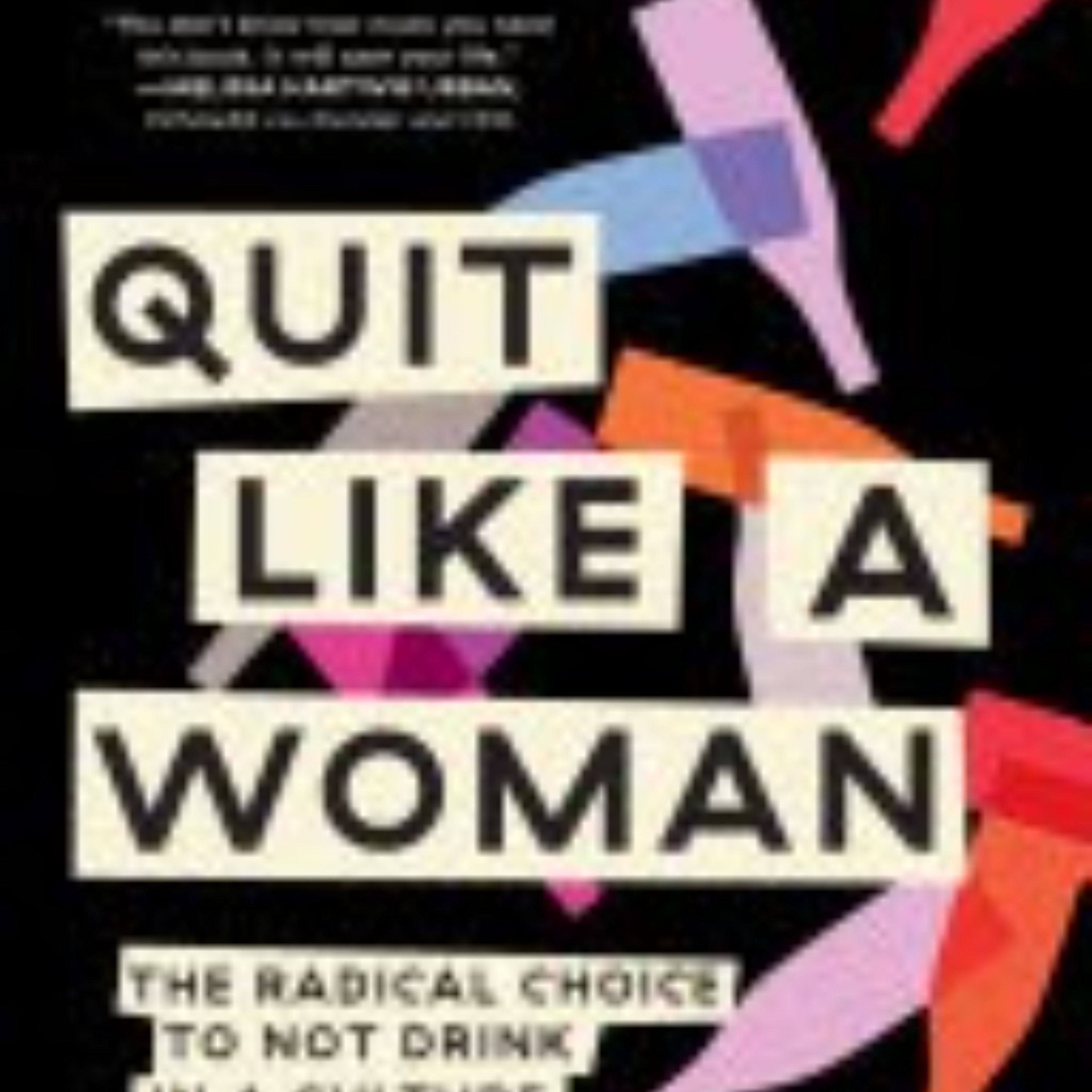
Quit Like a Woman: A Journey to Sobriety Empowerment
Chapter 1 What's Quit Like a Woman
"Quit Like a Woman: The Radical Choice to Not Drink in a Culture Obsessed with Alcohol" is a book by Holly Whitaker that explores the relationship between women and alcohol consumption. Published in 2021, the book combines personal anecdotes, cultural criticism, and feminist insights to advocate for a sober lifestyle, particularly for women who may feel pressured to conform to societal drinking norms.
In "Quit Like a Woman," Whitaker shares her own experiences with addiction and recovery, offering a perspective on the unique challenges women face in relation to drinking. She argues that the alcohol industry often targets women, promoting a culture that glamorizes drinking while minimizing its potential harms. The book also delves into the societal expectations surrounding femininity and how these can influence women's drinking behavior.
Whitaker provides practical advice and strategies for those seeking to reduce or eliminate their alcohol intake, emphasizing the importance of community and support. Overall, the book serves as both a memoir and a guide for women looking to reclaim their relationships with alcohol and embrace a sober lifestyle.
Chapter 2 The Background of Quit Like a Woman
"Quit Like a Woman: The Radical Choice to Not Drink in a Culture Obsessed with Alcohol" by Holly Whitaker was published in 2021. The book sits at the intersection of several significant social contexts and discussions surrounding alcohol consumption, feminism, and mental health.
Social Context
1. Cultural Attitudes Toward Alcohol: Over the past few decades, there has been a noticeable shift in how society views alcohol consumption. While drinking has often been romanticized and normalized in social settings, increasing awareness of the negative impacts of alcohol—particularly on women—has led to growing discourse around sobriety. This includes movements like "sober curious," which encourages people to reconsider their relationship with alcohol, even if they do not identify as alcoholics.
2. Women and Alcohol: Whitaker focuses on the unique challenges women face regarding alcohol use, including societal pressures to drink, the impact of alcohol on mental health, and how traditional recovery programs often fail to address women's specific needs. The book highlights the intersectionality of gender and substance use, examining issues like shame, trauma, and the ways societal expectations can exacerbate substance use problems.
3. Mental Health Awareness: The book arrives at a time when there is greater openness about mental health issues. There is an increasing recognition of the role that substance use can play in mental health struggles. Whitaker’s advocacy for a more compassionate and holistic approach to recovery speaks to growing interest in wellness and self-care practices.
4. Feminist Perspectives: Whitaker’s writing is informed by feminist ideals. She argues against the cultural narrative that equates femininity with drinking and posits sobriety as an act of empowerment. The book encourages women to reclaim their lives and identities outside the framework of alcohol consumption.
Author's Original Intention
Holly Whitaker wrote "Quit Like a Woman" from her personal experience and a desire to create a new narrative around sobriety—particularly for women. Having struggled with her own relationship with alcohol and navigating traditional recovery programs that she found inadequate, Whitaker set out to offer a fresh perspective and practical guidance tailored specifically for women.
Her objectives include:
- Empowerment Through Sobriety: Whitaker aims to inspire women to view sobriety not as a punishment but as a radical choice that can lead to greater freedom, health, and happiness.
- Inclusivity: The book seeks to create a more inclus
"Quit Like a Woman: The Radical Choice to Not Drink in a Culture Obsessed with Alcohol" is a book by Holly Whitaker that explores the relationship between women and alcohol consumption. Published in 2021, the book combines personal anecdotes, cultural criticism, and feminist insights to advocate for a sober lifestyle, particularly for women who may feel pressured to conform to societal drinking norms.
In "Quit Like a Woman," Whitaker shares her own experiences with addiction and recovery, offering a perspective on the unique challenges women face in relation to drinking. She argues that the alcohol industry often targets women, promoting a culture that glamorizes drinking while minimizing its potential harms. The book also delves into the societal expectations surrounding femininity and how these can influence women's drinking behavior.
Whitaker provides practical advice and strategies for those seeking to reduce or eliminate their alcohol intake, emphasizing the importance of community and support. Overall, the book serves as both a memoir and a guide for women looking to reclaim their relationships with alcohol and embrace a sober lifestyle.
Chapter 2 The Background of Quit Like a Woman
"Quit Like a Woman: The Radical Choice to Not Drink in a Culture Obsessed with Alcohol" by Holly Whitaker was published in 2021. The book sits at the intersection of several significant social contexts and discussions surrounding alcohol consumption, feminism, and mental health.
Social Context
1. Cultural Attitudes Toward Alcohol: Over the past few decades, there has been a noticeable shift in how society views alcohol consumption. While drinking has often been romanticized and normalized in social settings, increasing awareness of the negative impacts of alcohol—particularly on women—has led to growing discourse around sobriety. This includes movements like "sober curious," which encourages people to reconsider their relationship with alcohol, even if they do not identify as alcoholics.
2. Women and Alcohol: Whitaker focuses on the unique challenges women face regarding alcohol use, including societal pressures to drink, the impact of alcohol on mental health, and how traditional recovery programs often fail to address women's specific needs. The book highlights the intersectionality of gender and substance use, examining issues like shame, trauma, and the ways societal expectations can exacerbate substance use problems.
3. Mental Health Awareness: The book arrives at a time when there is greater openness about mental health issues. There is an increasing recognition of the role that substance use can play in mental health struggles. Whitaker’s advocacy for a more compassionate and holistic approach to recovery speaks to growing interest in wellness and self-care practices.
4. Feminist Perspectives: Whitaker’s writing is informed by feminist ideals. She argues against the cultural narrative that equates femininity with drinking and posits sobriety as an act of empowerment. The book encourages women to reclaim their lives and identities outside the framework of alcohol consumption.
Author's Original Intention
Holly Whitaker wrote "Quit Like a Woman" from her personal experience and a desire to create a new narrative around sobriety—particularly for women. Having struggled with her own relationship with alcohol and navigating traditional recovery programs that she found inadequate, Whitaker set out to offer a fresh perspective and practical guidance tailored specifically for women.
Her objectives include:
- Empowerment Through Sobriety: Whitaker aims to inspire women to view sobriety not as a punishment but as a radical choice that can lead to greater freedom, health, and happiness.
- Inclusivity: The book seeks to create a more inclus
Published on 1 year, 1 month ago
If you like Podbriefly.com, please consider donating to support the ongoing development.
Donate