Podcast Episode Details
Back to Podcast Episodes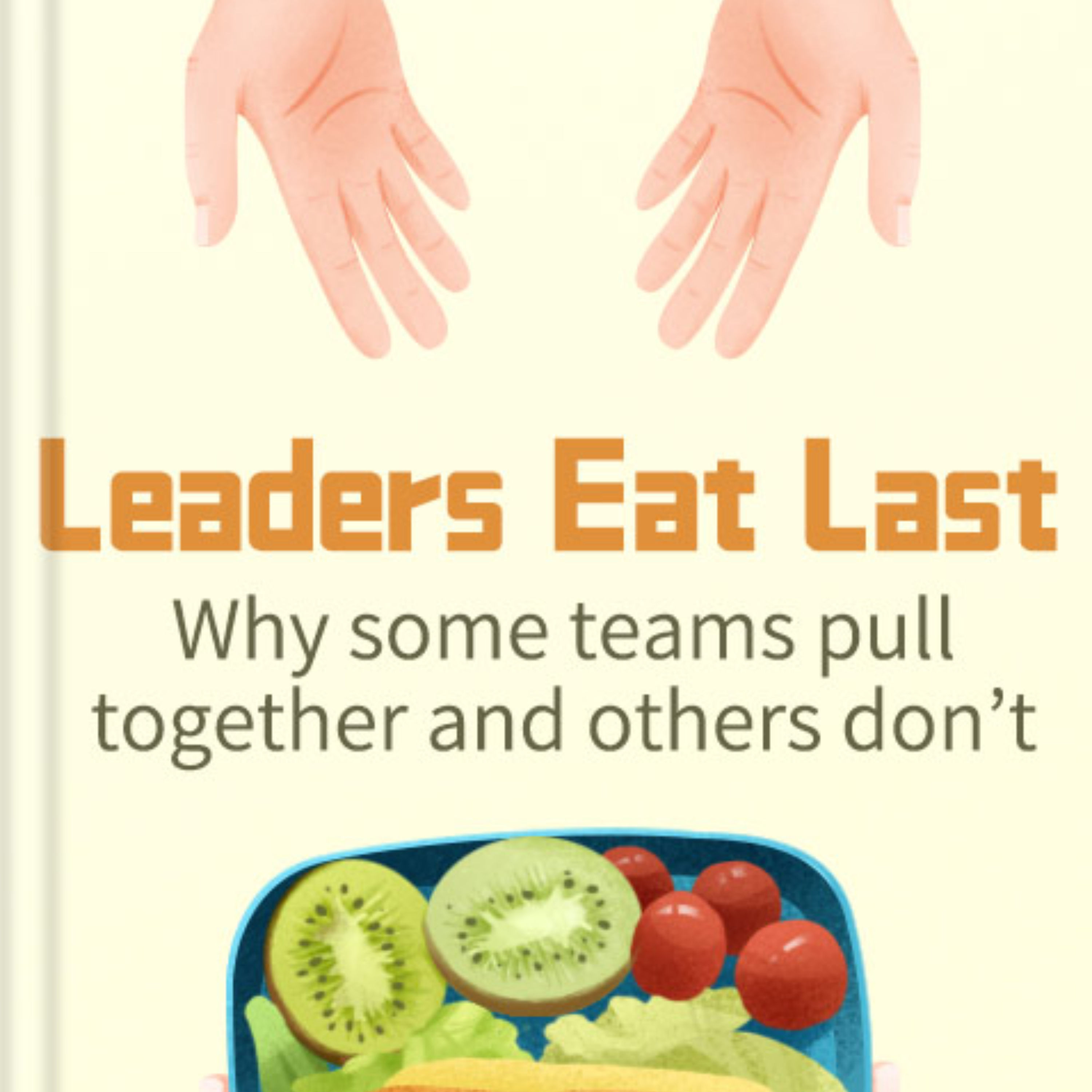
Leaders Eat Last: Summarizing Sinek's Guide to Leadership
Chapter 1 What's Leaders Eat Last
"Leaders Eat Last: Why Some Teams Pull Together and Others Don’t" is a book by Simon Sinek, published in 2014. In this work, Sinek explores the dynamics of leadership and the factors that contribute to effective teams and organizations. The central thesis of the book is that great leaders prioritize the well-being of their team members and create environments where trust, collaboration, and innovation can thrive.
Sinek uses the metaphor of the military practice where leaders eat last to illustrate the importance of putting the needs of others before one's own interests. He argues that when leaders create a "Circle of Safety," they foster an atmosphere of protection and support, which encourages team members to take risks, communicate openly, and work together toward common goals.
Key concepts in the book include:
1. The Importance of Trust: Sinek emphasizes that trust is foundational for effective leadership and team cohesion. When team members feel safe and valued, they are more likely to engage and contribute.
2. Biological Drivers: He discusses the role of hormones like cortisol, oxytocin, serotonin, and dopamine in shaping human behavior and interactions within teams.
3. The Role of Leadership: Sinek highlights the qualities that define successful leaders, including empathy, humility, and a commitment to serving others.
4. Creating a Culture of Safety: He explains the significance of establishing a supportive work environment where employees feel secure in their positions and are encouraged to collaborate and innovate.
Through anecdotal evidence and case studies, Sinek illustrates how organizations that adopt these principles are more resilient and successful. Overall, "Leaders Eat Last" serves as a guide for leaders at all levels who wish to inspire and empower their teams while building a strong organizational culture.
Chapter 2 The Background of Leaders Eat Last
"Leaders Eat Last: Why Some Teams Pull Together and Others Don't," published by Simon Sinek in 2014, builds upon his previous work regarding leadership, organizational culture, and human behavior. The book is part of a broader social context marked by significant changes in workplace dynamics, economic challenges, and evolving expectations for leadership.
Social Context:
1. Economic Climate: The book was published against the backdrop of the aftermath of the 2008 financial crisis. Many organizations were navigating changes in management practices, employee engagement, and corporate ethics. Trust in leadership had been shaken, with employees increasingly skeptical of top management and corporate motives.
2. Shift Toward Employee-Centric Cultures: There was a growing trend toward valuing employee well-being and creativity. Organizations began recognizing that fostering a positive workplace culture impacted productivity, job satisfaction, and ultimately, business success. This shift aligned with the rise of concepts such as servant leadership and transformational leadership.
3. Technological Advancements: The rapid advancement of technology and social media during this period altered communication in workplaces. Transparency and accountability became more crucial, as employees and customers began to voice their opinions publicly about organizational practices and leadership behavior.
4. Generational Changes in the Workforce: The rise of Millennials and Generation Z employees brought new expectations for leadership, work environments, and company missions. These generations tended to prioritize purpose and values over mere financial incentives, valuing organizations that prioritized a sense of community and shared goals.
Author's Intention:
Simon Sinek's original intention with "Leaders Eat Last" was to explore the principles of leadership and team dynamics, emphasizing the i
"Leaders Eat Last: Why Some Teams Pull Together and Others Don’t" is a book by Simon Sinek, published in 2014. In this work, Sinek explores the dynamics of leadership and the factors that contribute to effective teams and organizations. The central thesis of the book is that great leaders prioritize the well-being of their team members and create environments where trust, collaboration, and innovation can thrive.
Sinek uses the metaphor of the military practice where leaders eat last to illustrate the importance of putting the needs of others before one's own interests. He argues that when leaders create a "Circle of Safety," they foster an atmosphere of protection and support, which encourages team members to take risks, communicate openly, and work together toward common goals.
Key concepts in the book include:
1. The Importance of Trust: Sinek emphasizes that trust is foundational for effective leadership and team cohesion. When team members feel safe and valued, they are more likely to engage and contribute.
2. Biological Drivers: He discusses the role of hormones like cortisol, oxytocin, serotonin, and dopamine in shaping human behavior and interactions within teams.
3. The Role of Leadership: Sinek highlights the qualities that define successful leaders, including empathy, humility, and a commitment to serving others.
4. Creating a Culture of Safety: He explains the significance of establishing a supportive work environment where employees feel secure in their positions and are encouraged to collaborate and innovate.
Through anecdotal evidence and case studies, Sinek illustrates how organizations that adopt these principles are more resilient and successful. Overall, "Leaders Eat Last" serves as a guide for leaders at all levels who wish to inspire and empower their teams while building a strong organizational culture.
Chapter 2 The Background of Leaders Eat Last
"Leaders Eat Last: Why Some Teams Pull Together and Others Don't," published by Simon Sinek in 2014, builds upon his previous work regarding leadership, organizational culture, and human behavior. The book is part of a broader social context marked by significant changes in workplace dynamics, economic challenges, and evolving expectations for leadership.
Social Context:
1. Economic Climate: The book was published against the backdrop of the aftermath of the 2008 financial crisis. Many organizations were navigating changes in management practices, employee engagement, and corporate ethics. Trust in leadership had been shaken, with employees increasingly skeptical of top management and corporate motives.
2. Shift Toward Employee-Centric Cultures: There was a growing trend toward valuing employee well-being and creativity. Organizations began recognizing that fostering a positive workplace culture impacted productivity, job satisfaction, and ultimately, business success. This shift aligned with the rise of concepts such as servant leadership and transformational leadership.
3. Technological Advancements: The rapid advancement of technology and social media during this period altered communication in workplaces. Transparency and accountability became more crucial, as employees and customers began to voice their opinions publicly about organizational practices and leadership behavior.
4. Generational Changes in the Workforce: The rise of Millennials and Generation Z employees brought new expectations for leadership, work environments, and company missions. These generations tended to prioritize purpose and values over mere financial incentives, valuing organizations that prioritized a sense of community and shared goals.
Author's Intention:
Simon Sinek's original intention with "Leaders Eat Last" was to explore the principles of leadership and team dynamics, emphasizing the i
Published on 1 year ago
If you like Podbriefly.com, please consider donating to support the ongoing development.
Donate