Episode Details
Back to Episodes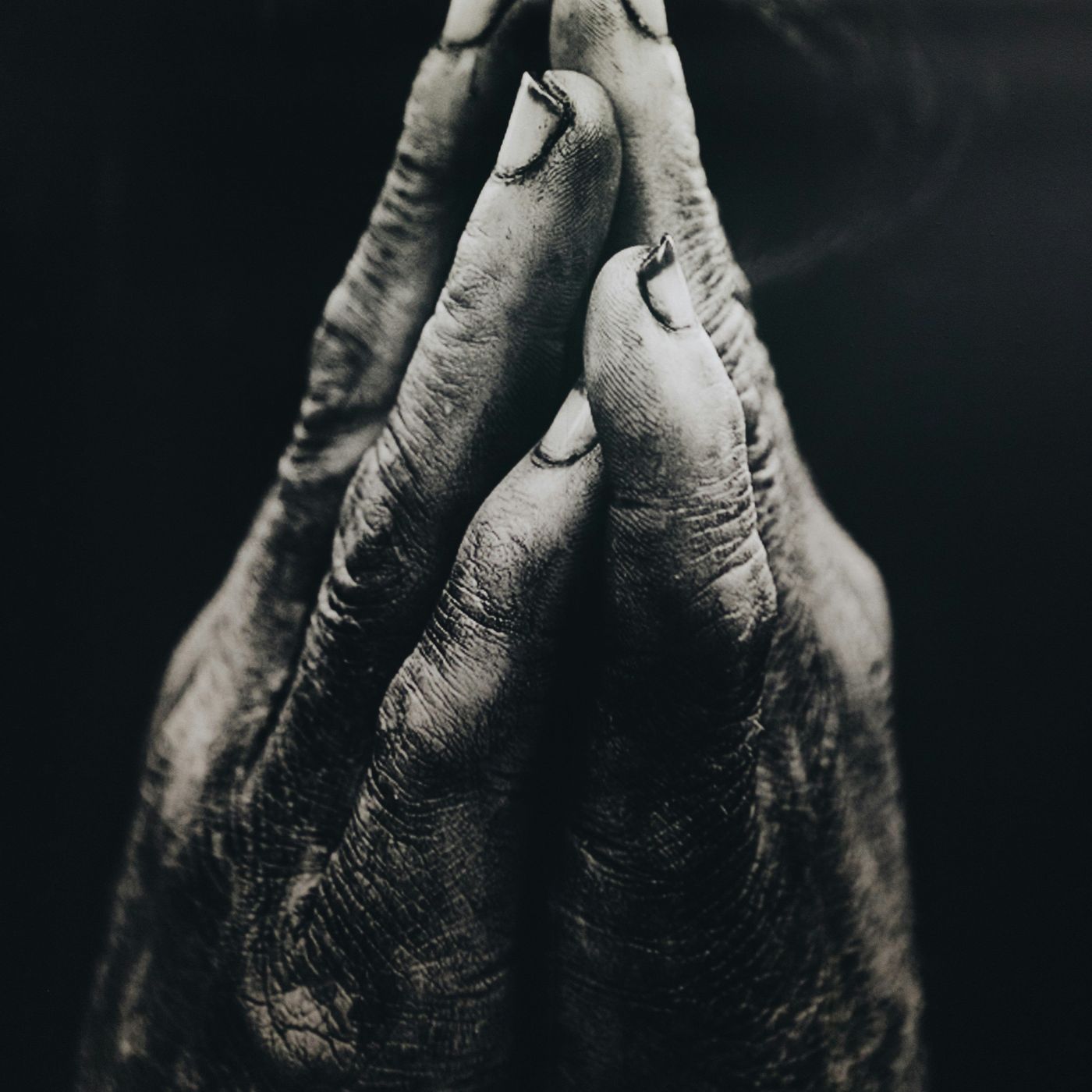
Beginning to Pray
Published 1 year, 3 months ago
Description
“Lord, teach us to pray.”Our Gospel reading this morning begins with Jesus praying in a certain place. When he finishes, one of his disciples makes a request: “Lord, teach us to pray.”At these words our ears should prick up for a couple of reasons. Firstly, we may be aware that there is no comprehensive account of the spiritual practices of Jesus of Nazareth in the Gospel accounts. We are sometimes given hints as to how he cultivated his relationship with God – not least his frequent withdrawals to the so-called wilderness or deserted place – but there is no ten-step guide, no celebration of the disciplines of Christ that we may follow exactly. So passages like this are as close as we will ever get to a how-to guide from Jesus.Secondly, we may have some intuition of the notion that prayer is what we so desperately need as human beings. “God’s breath in man returning to his birth,” in the words of George Herbert, “Softness, and peace, and joy, and love, and bliss”. It is only the arid desert of late modern western secularism that we have lost all sense of prayer and of its centrality to human existence. Prayer has become an esoteric, even weird, practice that certain “religious” people enjoy but which most people see as an irrelevance to daily life and something to be called upon only at times of extremity and, even then, perhaps not.But what if we are wrong about all of this? What if prayer is really the doorway not only to a relationship with God but to an entirely new vision of reality? As William Blake said, “If the doors of perception were cleansed, everything would appear to man as it is, infinite.” And how, but by prayer and the cultivation of a spiritual sensibility, can the doors of perception be cleansed? How can we obtain a higher vision of reality but by prayer? I have no doubt in my mind that this, and nothing less, is what is offered to us by Christ.Let us also recognise Christ is not only teaching his disciples how to begin at prayer but how to continue in it. He is not only teaching the ABC but the A to Z of prayer. Prayer is the ultimate democratic exercise, because it is given to each one of us, not only to the spiritual elite or to the ordained. It is a calling from our Father to cultivate our relationship, so often neglected, with him.Perhaps you are new to prayer? Perhaps you did it once but do it no longer? Friends, I encourage you to listen now, not to me, but to Jesus. For he will teach you – very practically – how to begin and to begin again. And not only to begin and to begin again but also to continue on.The Lord’s PrayerLet’s think then about this most exalted prayer of all, the so-called Lord’s Prayer. In Luke, we have a simplified version to that which we find in Matthew. To my mind, this makes it all the better.To begin, let’s see to whom this prayer is addressed: a single word, “Father” – not even “Our Father” as it is in Matthew. This speaks of God’s personal relationship to us as his children. And the point here is not that God is as one of our earthly fathers in all of their flaws and weaknesses. But that the very best earthly fathers, with all of their love and compassion, are as nothing compared with our Heavenly Father.Consider this if you doubt God’s love for you. Remember the words of Psalm 103: As a Father shows compassion for his children, so the Lord shows compassion to those who fear him. Remember the story of the Prodigal Son and of the loving Father, whose eyes scanned the horizon as he awaited with a longing heart only for his child to return. Your heavenly Father waits for you also to come to him in prayer. This is the God you approach.Secondly, the content of the prayer. It is quite simple: there are five requests.The first request asks quite simply that God’s name be hallowed: that is, that in our own lives and in the lives of the people out there in the world, that God’s name would be honoured, respected and loved.The second request is like it: that God’s Kingdom would come. It