Episode Details
Back to Episodes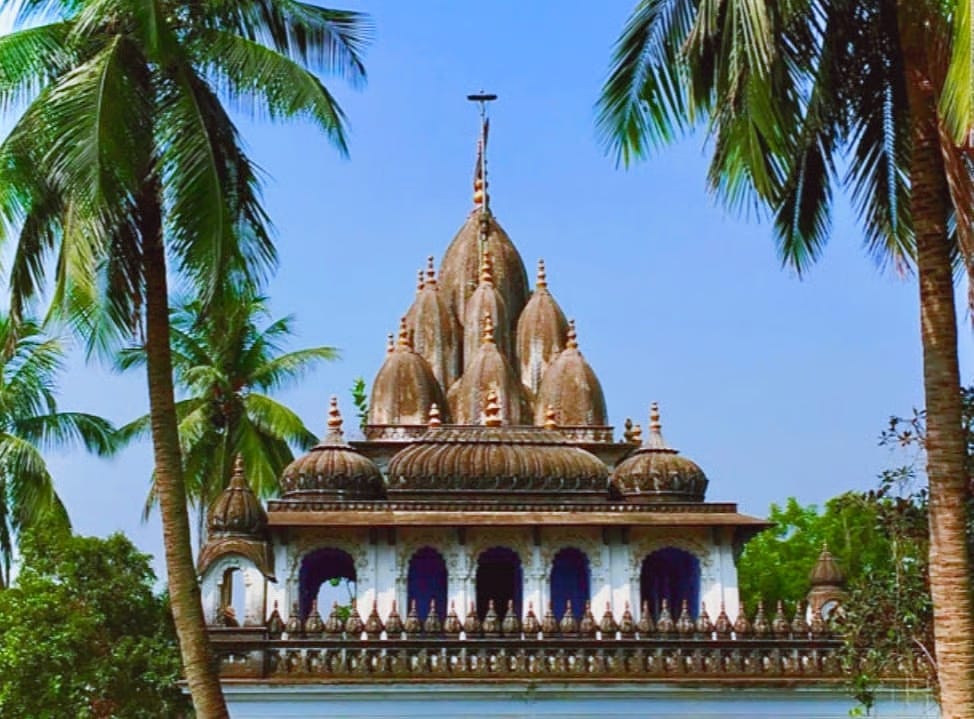
Experience the Magic of Kiriteswari, West Bengal: Why It’s One of India’s Best Tourism Villages
Description
In the rustic heartlands of Murshidabad, a region steeped in royal tales, Sufi whispers, and sacred hymns, lies the tranquil and revered village of Kiriteswari. Just 18 km from the historic city of Murshidabad, this modest hamlet in Kiritkona village has earned a national spotlight by being crowned the ‘Best Tourism Village of India 2023’ by the Ministry of Tourism, Government of India.
But beyond this accolade lies a timeless pilgrimage, a confluence of faith, culture, and community that tells the story of Bengal like few others.
Shaktipeetha Legacy: The Sacred Seat of Mukuteshwari
At the heart of Kiriteswari’s spiritual identity is its inclusion among the 51 Shaktipeethas -sacred sites scattered across the Indian subcontinent that are believed to mark the earthly locations where Goddess Sati's body parts fell after her self-immolation and the cosmic dance of Shiva.
* Kiriteswari (Mukuteshwari) is believed to be the site where Sati's crown (Kirit) fell.
* The presiding deity here is referred to as Mukuteshwari, meaning “Goddess of the Crown.”
* Local reverence also identifies her as Mahishamardini, the slayer of the demon Mahishasura.
The temple holds immense Tantric and devotional importance and is visited by both Vaishnavite and Shakta pilgrims alike.
🏛️ Historical Echoes: A Timeline Through Time
🔹 Ancient Foundations
The origins of Kiriteswari temple are shrouded in antiquity. Oral traditions trace its existence to over 1,000 years ago, with mentions in regional manuscripts and tantric scriptures. It was one of the earliest and most revered spiritual centers in Bengal.
🔹 Destruction and Rebirth
* The original temple is believed to have been destroyed in 1405 CE -likely due to natural disasters or political unrest during the turbulent decline of the Bengal Sultanate.
* The current structure was rebuilt in the 19th century by Darpanarayan, the King of Lalgola, who re-established Kiriteswari as a spiritual capital of the region.
His royal patronage not only ensured the temple's restoration but also catalyzed the cultural flourishing of the surrounding areas.
🕌 A Temple of Harmony: Interfaith Participation and Syncretism
One of Kiriteswari’s most moving realities is its model of communal harmony. The temple committee includes Muslim villagers, who actively participate in temple upkeep, festivals, and rituals.
* Land Donation by Muslim Residents: A significant gesture of unity, where land was donated to rebuild the Hindu temple destroyed centuries ago.
* Shared Festivities: Many Islamic families participate in Hindu rituals and celebrations during the annual Paush Mela and Baisakh pilgrimages, upholding Bengal’s long history of syncretic faith traditions.
🌸 Rituals, Beliefs & Daily Worship
The temple's daily and annual rituals preserve the Shakta-Tantric traditions:
🕯️ Daily Rituals:
* Mangala Aarti (early morning offering with lamps)
* Pushpanjali (floral offerings)
* Shakta Mantras are recited invoking the goddess’s protective powers.
* Ghee lamps and incense fill the sanctum with divine fragrance.
🔔 Special Pujas:
* Navaratri Celebrations (both Vasanta and Sh