Episode Details
Back to EpisodesThe Fates
Description
The Fates of Classical Antiquity not only survived in the form of related fairy-tale figures but also as the object of superstitions and rituals associated with newborns. In South Slavic and Balkan regions particularly, these customs represent a surprisingly long-lived and genuine case of pagan survival.
We begin our episode examining the fairy godmothers of “Sleeping Beauty” as embodiments of the Fates. Mrs. Karswell reads a few key passages from the definitive version of the story included in Charles Perrault’s 1697 collection, Histoires ou contes du temps passé (“stories of times gone by.”) We learn how the fairies fulfill the historical role of godparents at the newborn’s christening. We also note the peculiar emphasis on the quality of what’s set before the fairies at the christening banquet, observing how a failure there leads the wicked fairy to curse the Sleeping Beauty.
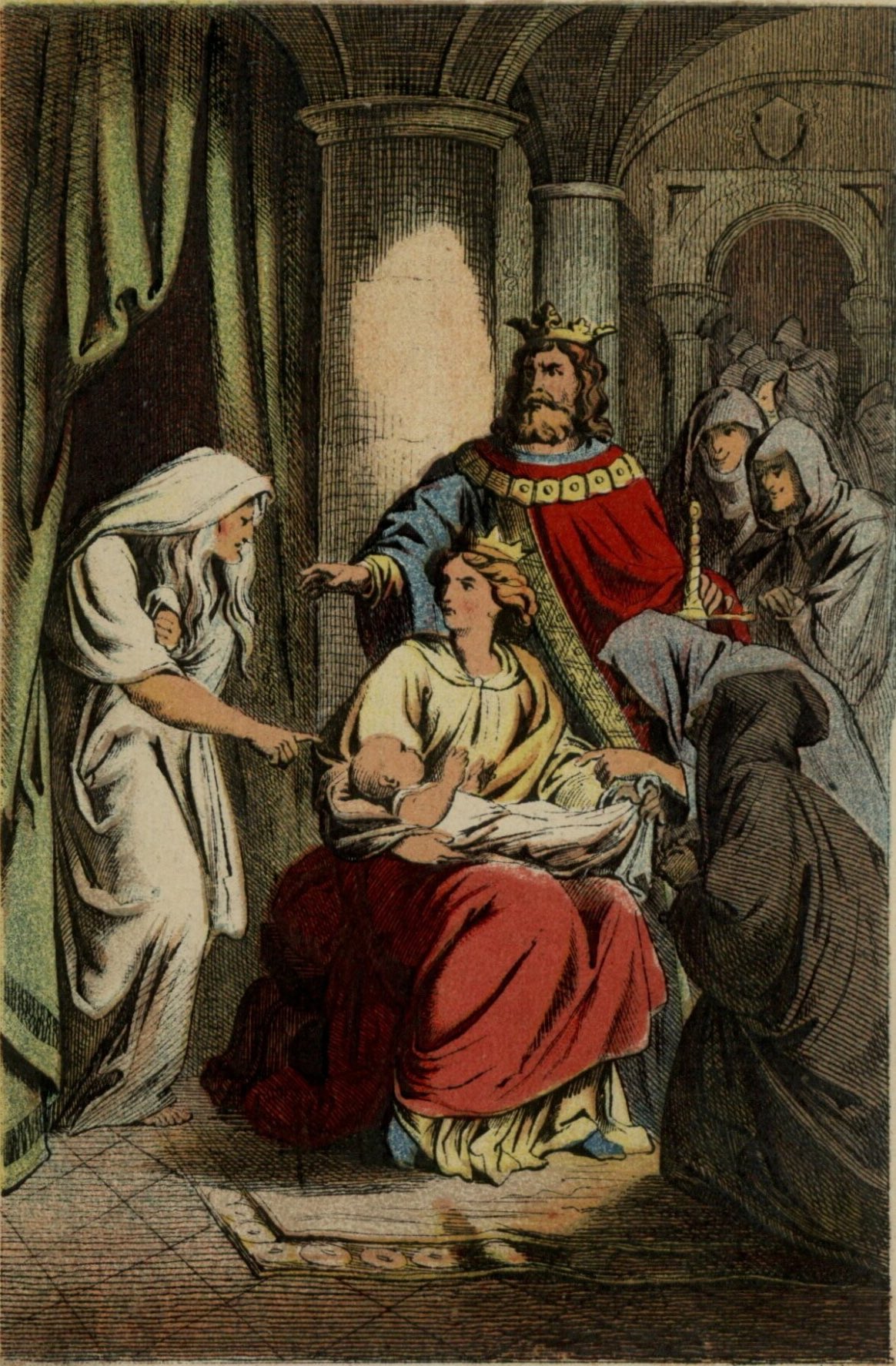
We then explore antecedents to Perrault’s tale, beginning with the 14th-century French chivalric romance, Perceforest. A peripheral story in this 8-volume work is that of Troylus and Zeelandine, in which the role of Sleeping Beauty’s fairy godmothers are played by Greek and Roman deities, with Venus as supporter of Princess Zeelandine (and her suitor Troylus) and Themis cursing Zeelandine to sleep in a manner similar to Perrault’s princess. A failure to correctly lay out Themis’ required items at the christening banquet is again again responsible for the curse, though the awakening of Zeelandine by Troylus awakens is surprisingly different and a notorious example of medieval bawdiness.
Preceding Perceforest, there was the late 13th-century French historical romance Huon of Bordeaux, in which we hear of the newborn fairy king Oberon being both cursed and blessed by fairies attending his birth. From around the same time, French poet and composer Adam de la Halle’s Play of the Bower describes a banquet at which fairy guests pronounce a curses and blessings on those in attendance prompted again by their pleasure or displeasure at what’s set before them at a banquet. We also hear of the Danish King King Fridlevus (Fridlef II) bringing his newborn son to a temple of “three maidens” to ascertain the destiny pf the child in Gesta Danorum (“Deeds of the Danes”).written around 1200 by Saxo Grammaticus. And lest listeners think such appeals to the Fates were strictly a literary motif, we hear B