Episode Details
Back to Episodes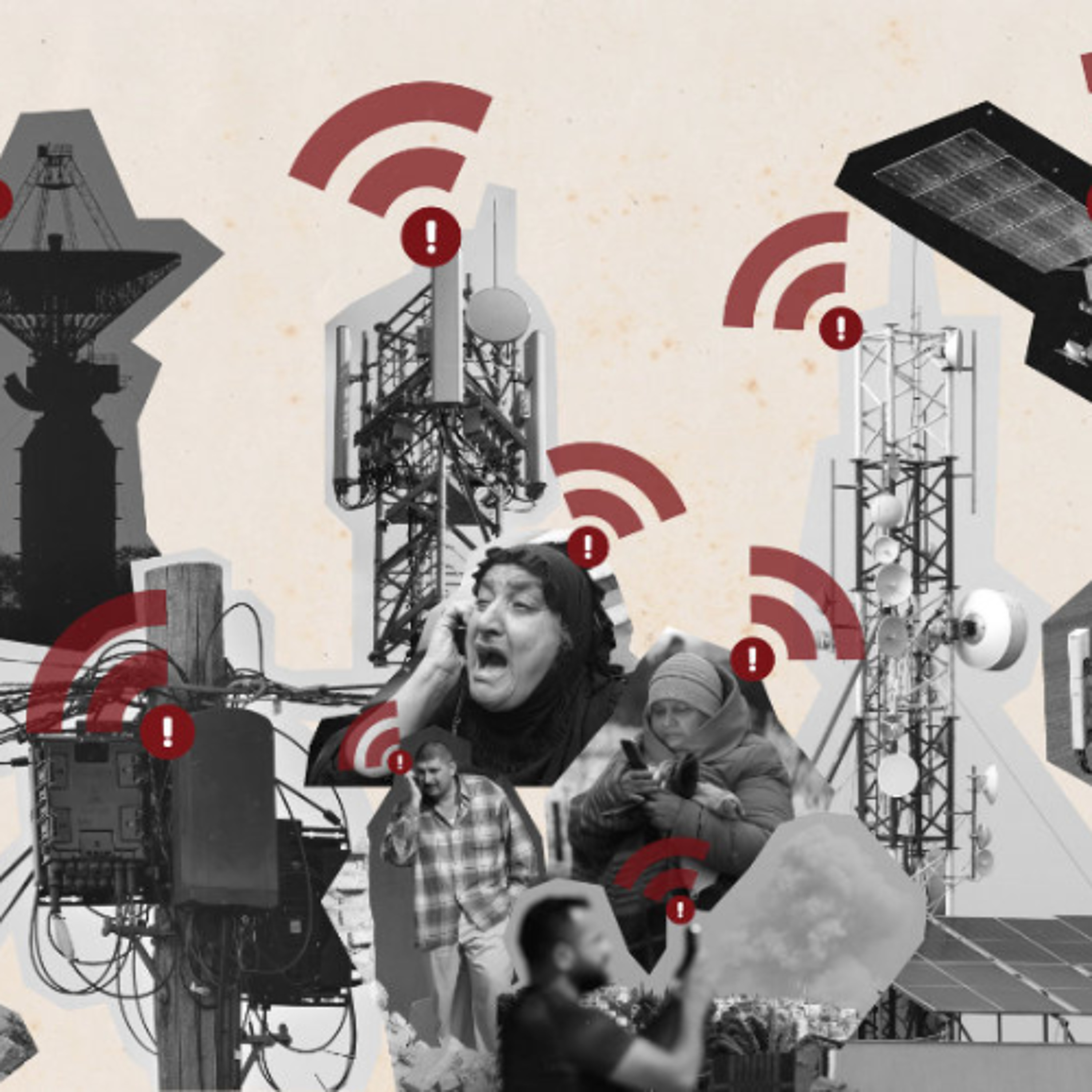
International humanitarian law and connectivity disruptions during armed conflict
Published 1 year, 2 months ago
Description
“Without information and telecommunication, people don’t know where to go for safety,” the ICRC reported from an ongoing armed conflict. Another humanitarian worker recalled that when connectivity is down and “a bombing happens, especially in the night, you cannot reach ambulances”. The importance of connectivity for people affected by armed conflict is further exemplified when displaced people ask humanitarian organizations for Wi-Fi or a ‘hot spot’, as connectivity provides the most direct contact to their loved ones. Yet, disruptions of connectivity are frequent in today’s armed conflict, at times part of incidental damage caused by hostilities, at other times presented as a measure necessary to impact an enemy’s operations.
In this post, ICRC Legal Adviser Tilman Rodenhäuser discusses some of the limits that international humanitarian law (IHL) imposes on connectivity disruptions in armed conflict. The notion ‘connectivity disruptions’ is used to describe operations by belligerents that make digital connectivity or tele-communications unavailable or otherwise disrupted, temporarily or in the longer term.