Episode Details
Back to Episodes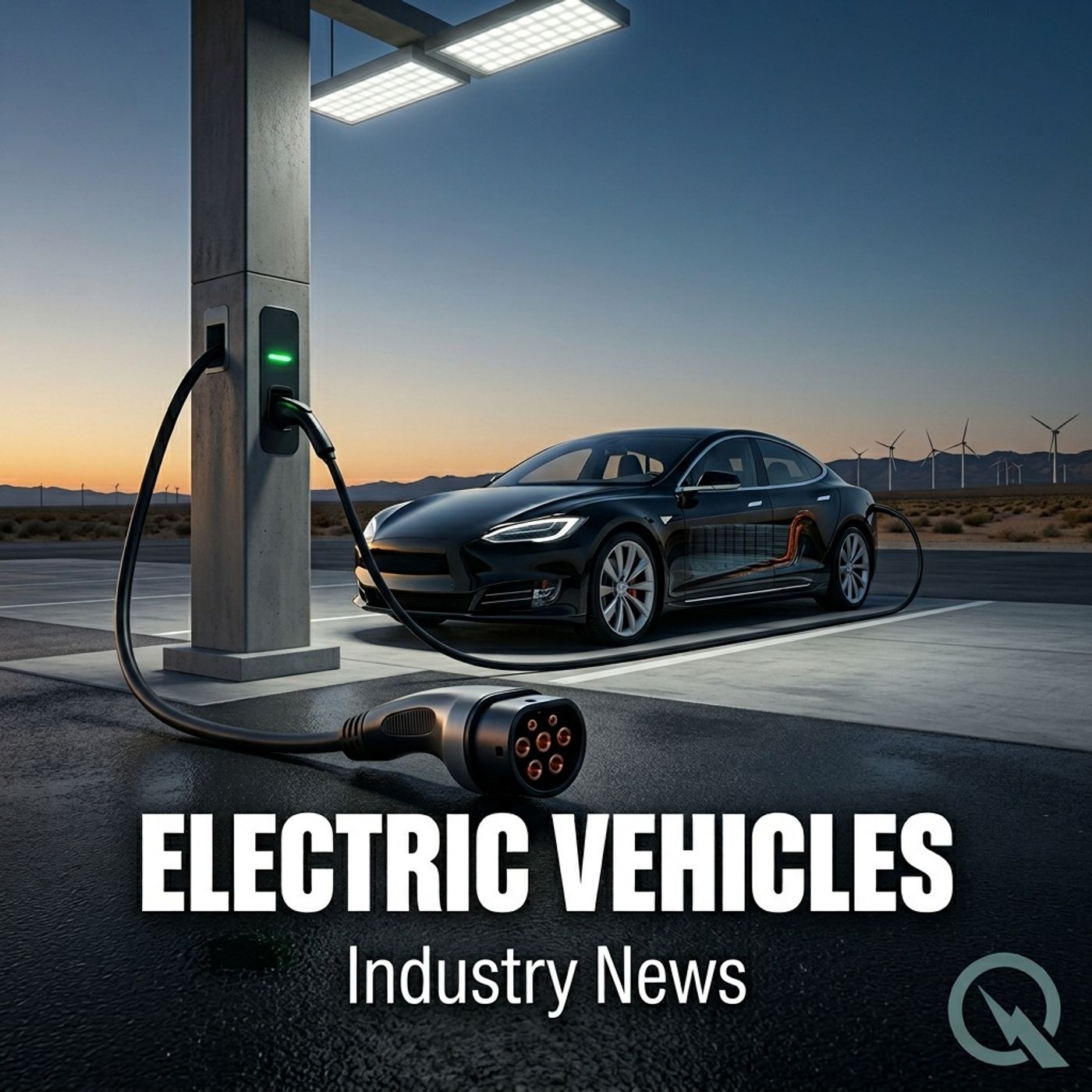
Electric Vehicle Boom Accelerates Globally: Surging Sales, Emerging Rivals, and Supply Chain Shifts
Published 9 months, 4 weeks ago
Description
In the past 48 hours, the electric vehicle industry has shown strong momentum, marked by noteworthy market growth, new product launches, and intensifying global competition. According to recent data, the global EV sector is projected to grow from 988.7 billion dollars in 2025 to over 2.5 trillion dollars by 2034, signaling a solid 41 percent year-over-year surge as of July 2025. Industry leaders like BYD are aggressively expanding internationally, with BYD not only surpassing Tesla in revenue but also opening its first overseas plant in Thailand and starting construction in Indonesia. This expansion underscores Asia’s increasing dominance in the global EV supply chain and manufacturing footprint.
In terms of new entrants and emerging competitors, Xiaomi’s recent rollout of the YU7 SUV in China is making waves. The vehicle is designed as an affordable luxury EV with a starting price of around 35,350 dollars, directly undercutting the Tesla Model Y base price and offering advanced battery technology and fast acceleration. This launch is seen as a direct challenge to both legacy automakers and established EV brands, potentially shifting consumer perceptions about value and performance in the segment.
Sales momentum continues for key manufacturers. NIO, a prominent Chinese EV maker, reported a 17.5 percent increase in June 2025 sales compared to the previous year, with quarterly growth at 25.6 percent, reflecting robust demand even as the overall pace of EV adoption moderates in some regions. Meanwhile, General Motors’ Chevrolet Equinox EV became the company’s best-selling electric model in the U.S., grabbing 41 percent of GM’s total EV sales in the fourth quarter of 2024.
Charging infrastructure is also expanding rapidly, improving convenience for consumers and further supporting market growth by reducing range anxiety. Partnerships are forming to tap new segments, such as Hyundai teaming up with India’s TVS Motor to pursue electric three-wheelers and microcars for urban environments.
Despite recent successes, the industry faces headwinds in the form of tighter competition, ongoing price pressures, and the need to maintain supply chain resilience. Overall, the current environment shows a healthy mix of expansion and adaptation as major players respond to shifting market dynamics and consumer expectations.
This content was created in partnership and with the help of Artificial Intelligence AI
In terms of new entrants and emerging competitors, Xiaomi’s recent rollout of the YU7 SUV in China is making waves. The vehicle is designed as an affordable luxury EV with a starting price of around 35,350 dollars, directly undercutting the Tesla Model Y base price and offering advanced battery technology and fast acceleration. This launch is seen as a direct challenge to both legacy automakers and established EV brands, potentially shifting consumer perceptions about value and performance in the segment.
Sales momentum continues for key manufacturers. NIO, a prominent Chinese EV maker, reported a 17.5 percent increase in June 2025 sales compared to the previous year, with quarterly growth at 25.6 percent, reflecting robust demand even as the overall pace of EV adoption moderates in some regions. Meanwhile, General Motors’ Chevrolet Equinox EV became the company’s best-selling electric model in the U.S., grabbing 41 percent of GM’s total EV sales in the fourth quarter of 2024.
Charging infrastructure is also expanding rapidly, improving convenience for consumers and further supporting market growth by reducing range anxiety. Partnerships are forming to tap new segments, such as Hyundai teaming up with India’s TVS Motor to pursue electric three-wheelers and microcars for urban environments.
Despite recent successes, the industry faces headwinds in the form of tighter competition, ongoing price pressures, and the need to maintain supply chain resilience. Overall, the current environment shows a healthy mix of expansion and adaptation as major players respond to shifting market dynamics and consumer expectations.
This content was created in partnership and with the help of Artificial Intelligence AI