Episode Details
Back to Episodes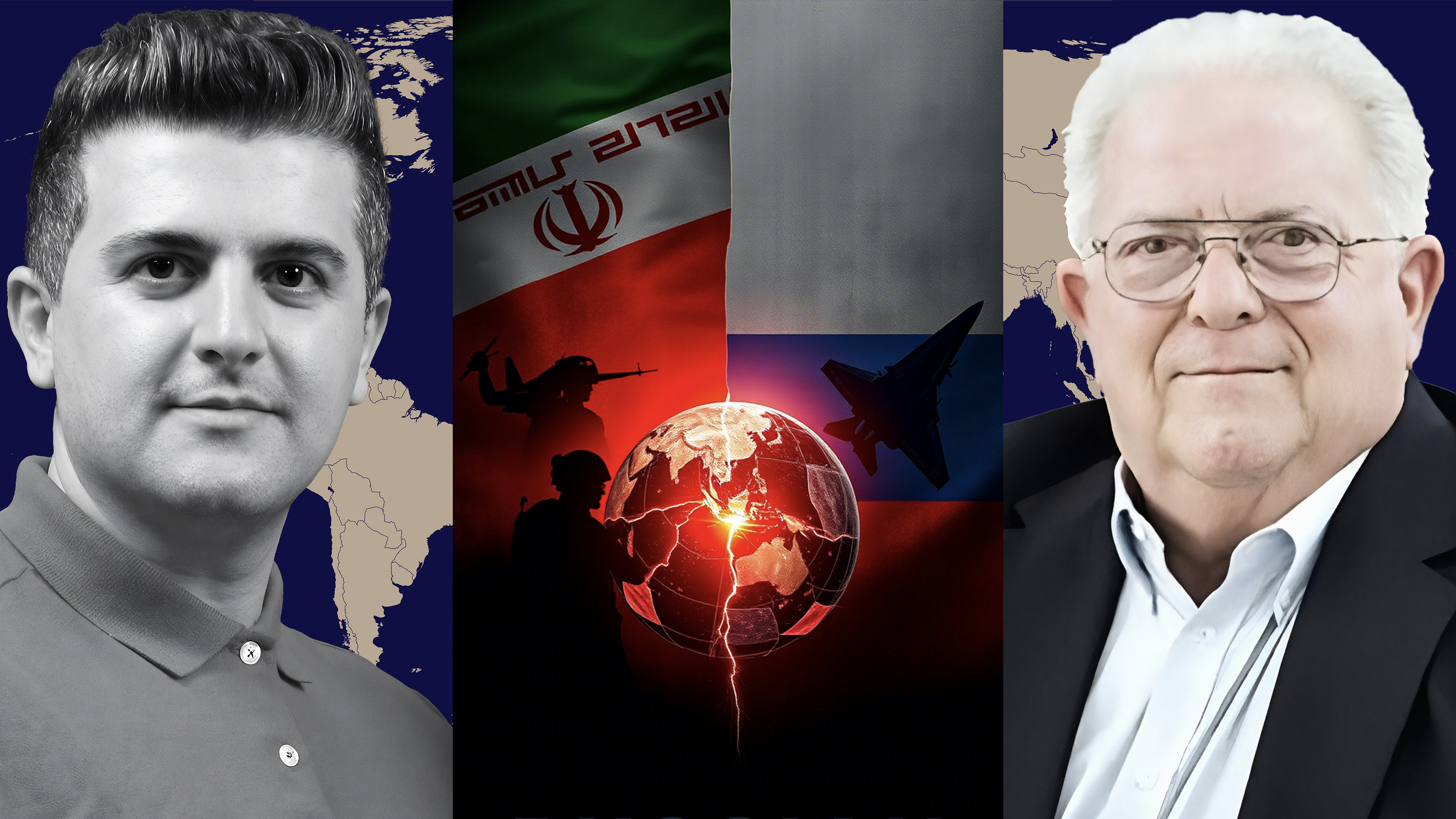
Amb. Chas Freeman: Turning Point in Global Power Iran Attacked Russia Reacts
Published 8 months ago
Description
Nima Rostami Alkhorshid:
- What is the current situation in the Middle East after Donald Trump's ceasefire announcement between Iran and Israel?
- Why did Israel attack Iran, and why did Netanyahu agree to stop the attacks?
- How has the Western media portrayed the conflict between Iran and Israel?
- What are the implications of this conflict on Iran's nuclear program and its relationship with the IAEA?
- How might this conflict reshape international relations, particularly with Russia, China, and Gulf Arab states?
Amb. Chas Freeman:
- There is no formal ceasefire; instead, Iran offered a conditional halt to retaliation if Israel stopped attacking. Trump pressured Israel to accept it.
- Israel attacked Iran because it saw an opportunity to weaken Iran’s nuclear program and regional influence. Netanyahu agreed to stop due to mounting Israeli casualties and military strain.
- Western media has been pro-Israel, downplaying Israeli losses while exaggerating Iranian damage, distorting the true balance of harm.
- Iran’s nuclear program was not destroyed—it dispersed its enriched uranium and retains scientific knowledge. Iran may now reject IAEA inspections due to distrust.
- The war may push Iran closer to Russia and China for defense support. Gulf Arabs may align more with Iran against Israel, shifting regional alliances.
Hosted on Acast. See acast.com/privacy for more information.